

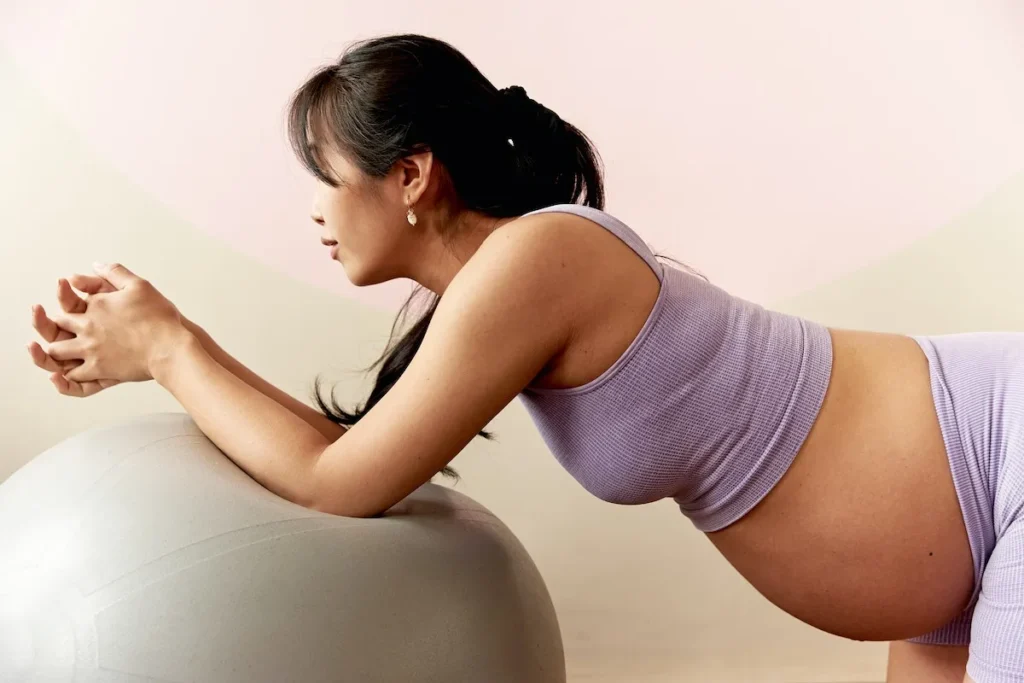
Pregnancy brings many changes, including muscle pain and spasms for some. The question of muscle relaxers safety is complex. It needs careful medical review.
Cyclobenzaprine is seen as the safest option when needed, mainly in the second and third trimesters. But, there are few studies on muscle relaxants during pregnancy.
Can you take muscle relaxers while pregnant? Discover the essential safety facts and expert advice to ensure a healthy and safe pregnancy journey.
Expectant mothers must consider risks and benefits with a healthcare professional’s help. At GoldCity Center, understanding these complexities is key to the best care.
Key Takeaways
The safety of muscle relaxers during pregnancy is a complex issue.
Cyclobenzaprine is considered relatively safe, mostly in the second and third trimesters.
Few human studies exist on the safety of muscle relaxants during pregnancy.
Medical evaluation is vital to weigh risks and benefits.
Expectant mothers should talk to healthcare professionals before taking any medication.
Understanding Muscle Spasms During Pregnancy

Muscle spasms during pregnancy are common. They happen due to physical and hormonal changes. The body gets ready for motherhood, leading to muscle discomfort.
Causes of Pregnancy-Related Muscle Pain
Pregnancy muscle pain comes from many sources. Dehydration, strained muscles, and low electrolyte levels are some. Dehydration is a big factor, causing muscle cramps and spasms.
The growing uterus also strains back and abdominal muscles. This leads to discomfort.
“The physical changes during pregnancy can be quite overwhelming,” says Medical Expert, an obstetrician. “Understanding these changes can help women better manage their muscle health.”
Physical Changes Affecting Muscle Comfort
Pregnancy brings big physical changes that affect muscles. The hormone relaxin makes ligaments relax, causing joint instability and muscle strain. The growing fetus also changes posture, stressing muscles more.
Increased blood volume and changes in circulation can lead to swelling and discomfort.
Hormonal fluctuations can affect muscle tone and elasticity.
The expanding uterus can compress nerves, leading to pain and spasms.
Knowing these changes helps expectant mothers manage muscle pain. They can stay comfortable throughout their pregnancy.
Can You Take Muscle Relaxers While Pregnant?

Muscle relaxers are often used for muscle spasms. But, pregnant women must think carefully before using them. They need to consider the benefits and risks to their baby.
Pregnancy Risk Categories for Medications
The FDA sorts medicines by their risk to the fetus. Cyclobenzaprine, a muscle relaxer, is a category B. This means animal studies show no risk, but human studies are scarce.
Other muscle relaxants might be in different categories. So, pregnant women should talk to their doctor before taking any medicine.
Risk vs. Benefit Assessment
Deciding on muscle relaxers in pregnancy needs careful thought. The benefits of easing muscle spasms must be weighed against the risks to the fetus.
A healthcare provider should guide this decision. This ensures the best outcome for both mother and baby.
When Medical Intervention Is Necessary
In some cases, muscle relaxers are needed for severe muscle spasms. Medical supervision is key to make sure the benefits are greater than the risks.
Severe muscle spasms that interfere with daily activities
Significant discomfort or pain
Muscle spasms that are not relieved by other treatments
Pregnant women should talk to their healthcare provider. They will decide the best treatment, keeping both mother’s health and baby’s safety in mind.
Safety Profiles of Specific Muscle Relaxers
When looking at muscle relaxers during pregnancy, it’s key to check each one’s safety. These drugs can help with muscle spasms in pregnant women. But, not all are safe.
Cyclobenzaprine (Flexeril, Amrix) During Pregnancy
Cyclobenzaprine is often seen as a safest muscle relaxant for pregnant women. Research shows it’s in Pregnancy Category B. This means there’s little human data, but animal studies show no risk to the fetus. Yet, it’s important to use it only as directed by a doctor.
Clinical evidence shows cyclobenzaprine works well for short-term muscle spasms relief. Pregnant women should talk to their healthcare provider about its benefits and risks.
Other Muscle Relaxants and Their Risks
Other muscle relaxants have different safety levels during pregnancy. For example, baclofen is usually avoided unless really needed because of possible risks. It’s important to know the specific risks of each drug.
Methocarbamol and metaxalone have little data on their use in pregnancy, making them less favored choices.
Tizanidine is another muscle relaxant that should be used carefully. Its effects on the fetus are not fully understood.
Pregnant women should talk to their healthcare provider before taking any muscle relaxant. The provider will weigh the risk vs. benefit and suggest the safest option based on the woman’s health.
Conclusion: Safe Approaches to Managing Muscle Pain
Pregnancy can be tough when it comes to muscle pain. But, there are safe ways to feel better. It’s key to know the good and bad of muscle relaxers during pregnancy.
Before taking muscle relaxers, talk to your doctor. They can help find the right treatment for you. They’ll look at how bad your muscle spasms are and suggest safe options.
Healthy living and relaxation techniques can also help. Pregnant women should talk to their doctor about these options. This way, they can find the best way to manage pain.
By being careful and informed, pregnant women can reduce muscle pain. If you’re wondering about muscle relaxers during pregnancy, always ask your doctor. They can guide you to the safest choice.
FAQ
Are muscle relaxers safe to take during pregnancy?
The safety of muscle relaxers during pregnancy depends on several factors. These include the type of medication and the stage of pregnancy. Always talk to a healthcare provider to understand the risks and benefits.
Can I take cyclobenzaprine while pregnant?
Cyclobenzaprine is a Category B medication by the FDA. This means it’s usually safe during pregnancy. But, it’s important to discuss the risks and benefits with a healthcare provider.
What are the risks associated with taking muscle relaxers during pregnancy?
Taking muscle relaxers during pregnancy can pose risks to the fetus. It can also lead to dependence on the medication. Interactions with other medications are another concern. A healthcare provider can guide you on the best treatment.
Can muscle relaxers be used during the first trimester of pregnancy?
Using muscle relaxers in the first trimester should be done with caution. It’s vital to talk to a healthcare provider to find the safest treatment options.
Are there alternative treatments for muscle pain during pregnancy?
Yes, there are other ways to manage muscle pain during pregnancy. These include physical therapy, stretching, and relaxation techniques. A healthcare provider can help choose the best approach for you.
How do I know if I need medical intervention for muscle pain during pregnancy?
If you have severe or persistent muscle pain, seek medical help. A healthcare provider can determine the best treatment and check for any underlying conditions.
Can I take Flexeril while pregnant?
Flexeril, or cyclobenzaprine, is generally safe during pregnancy. But, it’s important to discuss the risks and benefits with a healthcare provider.
What are the safest muscle relaxants to use during pregnancy?
The safest muscle relaxants during pregnancy vary based on individual circumstances. A healthcare provider can help find the best treatment options for you.
Can muscle relaxers be used long-term during pregnancy?
Long-term use of muscle relaxers during pregnancy is not usually recommended. A healthcare provider can help create a treatment plan and monitor for risks.
References
National Center for Biotechnology Information. Evidence-Based Medical Insight. Retrieved from https://pmc.ncbi.nlm.nih.gov/articles/PMC10926911/

