
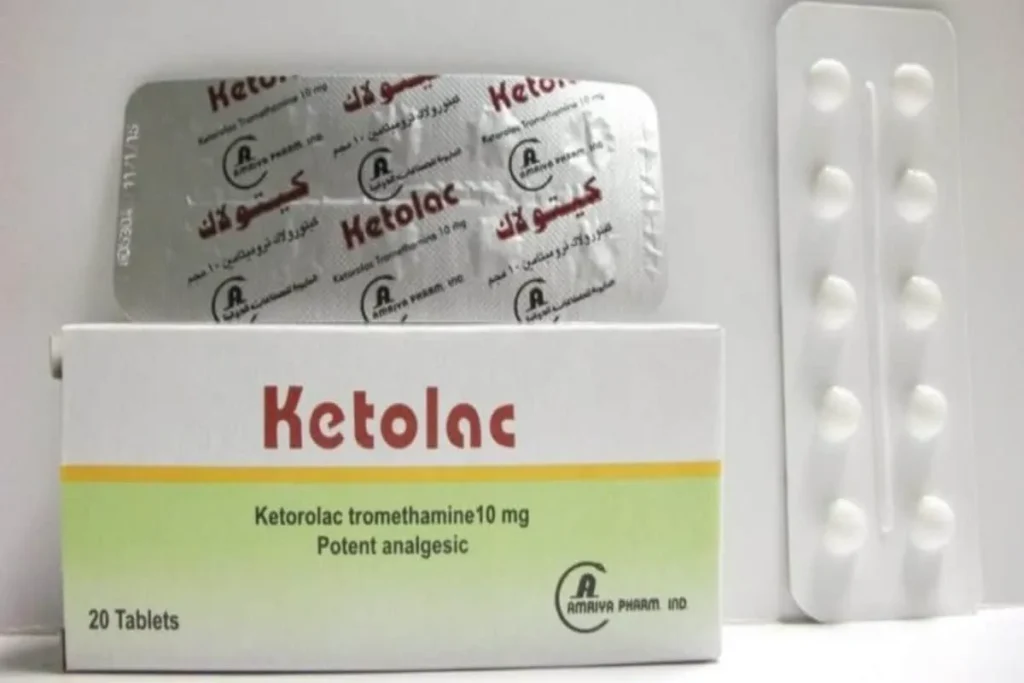
Ketorolac is a strong nonsteroidal anti-inflammatory drug (NSAID). It’s used to manage pain after surgery. It’s effective, but knowing its risks is key.
Given through an IV or a muscle shot, ketorolac quickly eases pain. Studies show that smaller doses work just as well as bigger ones. This makes it a flexible choice for pain relief.
At GoldCity Center, we focus on teaching patients about ketorolac’s risks. Knowing these risks helps patients make better choices about their treatment.
Key Takeaways
Ketorolac is a potent NSAID used for managing moderate to severe pain.
It is administered intravenously or intramuscularly for rapid relief.
Lower doses can be as effective as standard doses without increasing adverse effects.
Comprehensive patient education is key for informed treatment decisions.
Understanding the risks is vital for safe use.
Understanding Ketorolac as a Pain Management Option

Ketorolac helps with pain by stopping the body from making prostaglandins. This makes it a good choice for managing pain that’s not too mild or too severe.
What Is Ketorolac and How Does It Work?
Ketorolac is a type of drug that fights pain and swelling. It does this by stopping the body from making prostaglandins. These are substances that cause pain and swelling.
By stopping these substances, ketorolac helps with pain relief. It does this without the dangers of opioid drugs.
Administration Routes: Intravenous, Intramuscular, and Oral
Ketorolac comes in different forms. You can get it through an IV, IM, or by mouth. This makes it easy to manage pain in different ways.
The type of administration depends on what the patient needs and where they are getting treated.
Recommended Dosages and Duration of Use
The amount of ketorolac you should take depends on how you take it. There are specific guidelines to keep you safe.
It’s important to stick to the recommended doses. Don’t take more than you’re supposed to for too long. This keeps treatment safe and effective.
7 Important Ketorolac Side Effects to Be Aware Of

Ketorolac is a strong NSAID with several serious side effects. It’s good for pain relief but knowing its risks is key for safe use.
Gastrointestinal Complications
Ketorolac can cause serious stomach problems. NSAID injections like ketorolac may lead to ulcers and bleeding, more so in older adults. A big study found a link between ketorolac doses and serious stomach bleeding.
Cardiovascular Risks
Using ketorolac intravenous or intramuscularly raises heart and stroke risks. Those with heart problems are more at risk.
It’s vital to consider ketorolac’s benefits against its heart risks, mainly for long-term use.
Renal Function Concerns
Ketorolac can harm kidney function, leading to kidney damage or acute kidney injury. Ketorolac iv or ketorolac shot may reduce blood flow to the kidneys, raising kidney risks.
Monitor kidney function in patients with pre-existing kidney disease
Use the lowest effective dose for the shortest duration necessary
Bleeding and Coagulation Issues
Ketorolac can affect blood clotting, leading to bleeding. Side effects for toradol (ketorolac tromethamine) include a higher risk of bleeding, which can be severe.
Knowing these risks is essential for safe ketorolac use. Patients should be watched for signs of stomach, heart, kidney, and bleeding problems.
Conclusion: Safe Use of Ketorolac in Pain Management
Ketorolac is a powerful injectable NSAID that helps with pain relief. It comes in different forms, like injections and oral pills. This makes it easy to use for various needs.
It’s important to use ketorolac as directed to stay safe. Side effects can include stomach problems, heart issues, and kidney concerns. Always tell your doctor about any health issues or medicines you’re taking.
By following the right guidelines and knowing the risks, you can use ketorolac safely. This way, you can manage your pain well and live better. It’s a reliable way to improve your life by reducing pain.
FAQ
What is ketorolac used for?
Ketorolac is a nonsteroidal anti-inflammatory drug (NSAID). It helps manage moderate to severe pain, often after surgery.
How is ketorolac administered?
You can take ketorolac in different ways. It’s available as an intravenous (IV), intramuscular (IM), or oral tablet.
What are the common side effects of ketorolac?
Side effects of ketorolac include stomach problems, heart risks, kidney issues, and bleeding problems.
What are the risks associated with long-term use of ketorolac?
Long-term use of ketorolac can lead to stomach ulcers, heart problems, kidney damage, and bleeding.
Can ketorolac be used for chronic pain management?
Ketorolac is not usually recommended for long-term pain. It’s best for short-term pain relief due to its risks.
How can I minimize the risk of side effects when taking ketorolac?
To reduce side effects, stick to the recommended dosage and talk to your doctor about any health issues you have.
Is ketorolac available in injectable forms?
Yes, ketorolac comes in injectable forms like IV and IM injections. These are used in hospitals for quick pain relief.
What should I discuss with my healthcare provider before taking ketorolac?
Before starting ketorolac, tell your doctor about any health problems you have. This includes kidney or liver disease, bleeding disorders, and other medications.
References
National Center for Biotechnology Information. Evidence-Based Medical Insight. Retrieved from https://pubmed.ncbi.nlm.nih.gov/10877042/





