

Toradol is a strong pain reliever used for short-term pain. It’s known to have side effects, including stomach problems. About 1 to 10 percent of users might experience constipation.
It’s important to know all the possible side effects of Toradol. This includes common issues like constipation and serious problems with the kidneys and heart. Being aware of these risks helps keep you safe while using the medication.
Key Takeaways
Toradol is an NSAID used for short-term management of acute pain.
Constipation is a documented side effect of Toradol.
Patients should be informed about possible side effects.
Close communication with healthcare providers is recommended.
Toradol can cause serious complications in some cases.
What Is Toradol (Ketorolac) and How Is It Used?
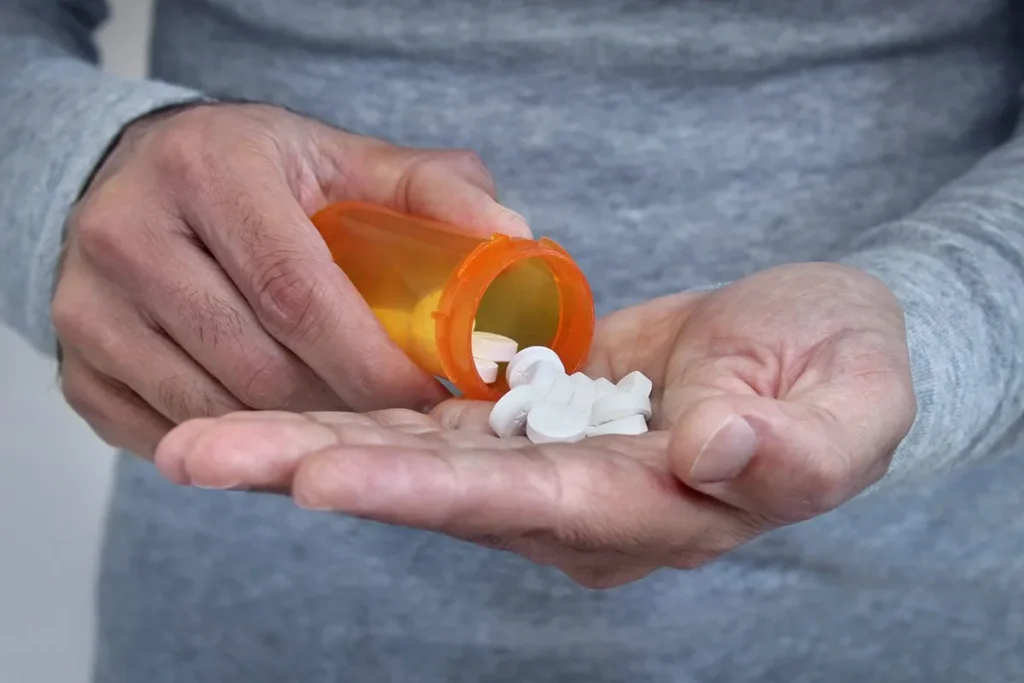
Toradol (ketorolac) is a nonsteroidal anti-inflammatory drug (NSAID). It’s known for helping with moderate to severe pain. It comes in different forms for use.
Classification and Mechanism of Action
Toradol is an NSAID. It’s used to reduce inflammation and pain. Its main ingredient, ketorolac, stops the body from making prostaglandins.
Prostaglandins cause pain and inflammation. By stopping them, Toradol reduces pain and inflammation. This makes it great for people recovering from surgery or with acute pain.
Medical Uses and Administration Methods
Toradol comes in tablets, injections, and oral solutions. The choice depends on the patient’s needs and pain level. Injections are for acute pain in clinics, while tablets or solutions are for home use.
This flexibility helps doctors tailor treatment. It makes pain management more effective.
Recommended Duration and Dosage Limitations
Following the recommended dosage and duration is key. Toradol is usually used for 5 days or less. The dose depends on the patient’s age, weight, and condition.
Patients should stick to their dosage. If unsure, they should talk to their doctor.
Does Toradol Cause Constipation?

The link between Toradol and constipation is complex. It involves how the drug affects prostaglandin production and individual factors. Toradol, also known as ketorolac, is a nonsteroidal anti-inflammatory drug (NSAID). It’s used for short-term pain relief.
Prevalence of Constipation as a Side Effect
Studies show constipation affects 1 to 10 percent of Toradol users. This means constipation is a notable side effect for some. It’s key for patients to know about this risk when thinking about using Toradol for pain.
How Toradol Affects Digestive Function
Toradol can impact digestion by lowering prostaglandin levels. Prostaglandins are vital for gut health. By blocking their production, Toradol can cause constipation in some. The severity of this effect depends on the dose and how long you take it.
Individual Variation in Digestive Responses
People react differently to Toradol. Some get constipation, while others might have diarrhea or other gut issues. This variation depends on health, other meds, and any gut problems. Knowing these factors helps doctors create better treatment plans.
Even though Toradol helps with pain, watching for gut side effects is important. Patients should talk to their doctor about any concerns to manage side effects well.
Other Gastrointestinal and Serious Side Effects
While Toradol helps with pain, it can affect the stomach and intestines. It can cause constipation and other issues.
Common Digestive System Reactions
People taking Toradol may face various stomach problems. Some common side effects include:
Diarrhea
Stomach cramps
Abdominal pain
Nausea and vomiting
These symptoms can make everyday life hard. It’s key to watch for them and talk to a doctor if they don’t go away.
Potential Serious Adverse Effects
Toradol can also lead to serious problems. These include:
Gastrointestinal bleeding: This is a big risk with NSAIDs like Toradol and can be deadly.
Kidney damage: Toradol might harm the kidneys, more so in those with kidney issues.
Cardiovascular events: There’s a higher chance of heart attack and stroke with Toradol, mainly with long-term or high doses.
It’s important to know about these serious side effects. Talk to your doctor about your risk.
Knowing about Toradol’s side effects is key for safe pain relief. This includes both common stomach issues and serious problems.
Conclusion: Managing Toradol Side Effects
It’s important to know about the side effects of Toradol. This includes injection side effects and the effects of ketorolac injection. Knowing these can help keep you safe while using it for pain.
Managing side effects means watching for bad reactions and changing treatment if needed. Patients should learn about possible side effects like constipation. They should also know what to do if they happen.
Talking to a healthcare provider about side effects is key. They can help figure out if Toradol might lower your blood pressure. Being informed and proactive can help you get the most out of Toradol for pain relief.
FAQ
Does Toradol cause constipation?
Toradol can cause constipation in some people. But it’s not a side effect everyone gets. How often it happens can vary a lot.
Can Toradol cause diarrhea?
Yes, diarrhea is a possible side effect of Toradol. Some people might get constipation, while others might get diarrhea.
What are the common gastrointestinal side effects of Toradol?
Toradol can lead to constipation, diarrhea, and stomach cramps. These effects can be different for everyone and might affect your daily life.
Can Toradol cause stomach cramps?
Yes, stomach cramps are a side effect of Toradol. It’s a common reaction in the stomach area.
Does Toradol affect kidney function?
Toradol might harm the kidneys, which is more likely with long-term use. It’s a concern for people with kidney problems.
Can Toradol lower blood pressure?
There’s no clear proof that Toradol lowers blood pressure. But, it’s important to watch your blood pressure while taking it. It could interact with other blood pressure medicines.
What are the serious side effects of Toradol?
Serious side effects include bleeding in the stomach, kidney damage, and allergic reactions. If you have severe or ongoing side effects, get medical help right away.
How long can I take Toradol?
You should only take Toradol for 5 days. Taking it longer can lead to serious issues like bleeding and kidney damage.
What is the recommended dosage of Toradol?
The right dose of Toradol depends on your health, age, and weight. Always stick to the dose your doctor prescribes. If you have questions, ask your doctor.
References
National Center for Biotechnology Information. Evidence-Based Medical Insight. Retrieved from https://pubmed.ncbi.nlm.nih.gov/2190718/





