
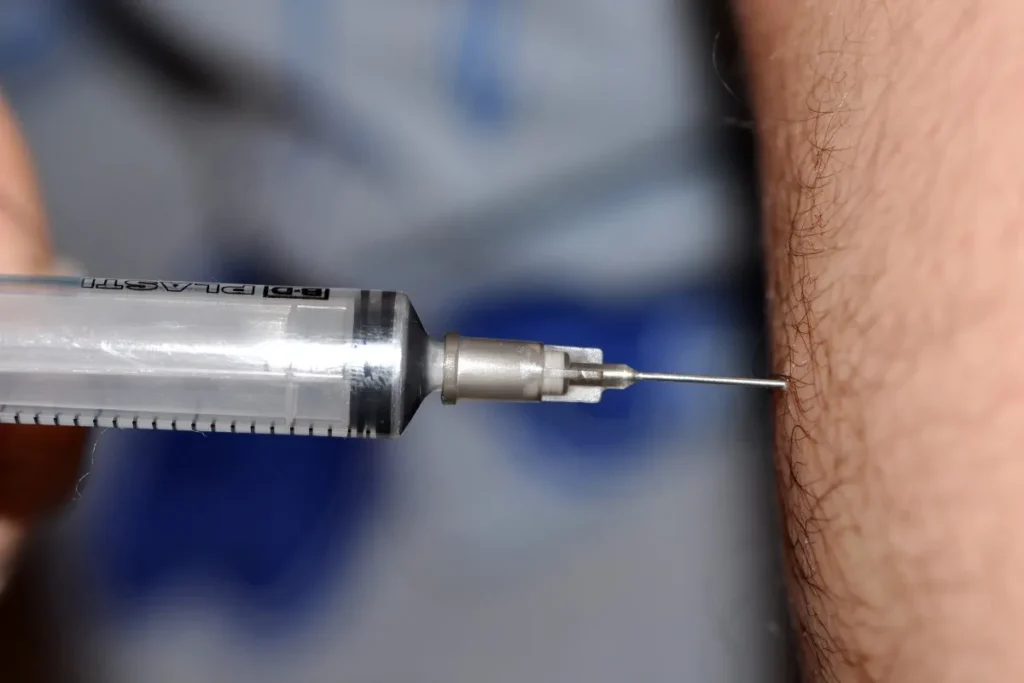
Cortisone injections are a common treatment for joint pain and back problems. They help reduce inflammation and ease pain. But, some wonder if cortisone shots can cause headaches. Can a cortisone injection cause a headache? Explore the side effects of steroid shots and learn how to manage discomfort safely and effectively.
At GoldCity Center, we focus on educating our patients and being open. While headaches are rare, they can happen. It’s important for patients to understand the link between cortisone shots and headaches before treatment.
Key Takeaways
Cortisone injections are used to treat various painful conditions by reducing inflammation.
Headaches are a possible side effect of cortisone shots, though not the most common.
Understanding the relationship between cortisone shots and headaches is essential for informed decision-making.
Patients should discuss possible side effects with their healthcare provider.
GoldCity Center emphasizes patient education and transparent communication regarding treatment options.
Understanding Cortisone Injections and Their Side Effects

Cortisone injections are a common treatment for pain and inflammation. They are also known as steroid shots. These injections are used to manage many inflammatory conditions.
What Are Cortisone Injections Used For?
Cortisone injections help reduce inflammation and pain in the body. They are often used for osteoarthritis and tendonitis. These shots can improve mobility and lessen pain, helping many patients.
Common Side Effects of Steroid Shots
Cortisone injections are generally safe but can have side effects. Common issues include pain during the shot, swelling or bruising, and higher blood sugar. Knowing these side effects helps patients prepare and care for themselves after the shot.
Headaches are a known side effect of cortisone shots, though not the most common. It’s important for patients to understand all possible side effects, including headaches. This helps them make better decisions about their treatment.
Can a Cortisone Injection Cause a Headache?

Cortisone shots are usually safe, but some wonder if they can cause headaches. These injections are used to reduce inflammation and pain in different parts of the body. This includes joints and soft tissues.
Research and Statistics on Headache Occurrence
Studies have looked into the side effects of cortisone injections. A study with 1,708 people who got injections in their ankles found 5.8% had side effects. But, no headaches were mentioned.
This doesn’t mean headaches can’t happen. People react differently to these injections.
Headache occurrence after cortisone injections varies. It’s not a common side effect for everyone. The risk depends on the type of cortisone, where it’s injected, and the person getting it.
Types of Cortisone Injections Most Associated with Headaches
Not all cortisone injections are the same when it comes to headaches. Epidural steroid injections can cause a specific headache. This is because they involve a puncture in the spinal cord area.
Other injections, like those in joints or soft tissues, might have different risks. The type of cortisone and any additives, like local anesthetics, also play a role. It’s key for patients to talk to their doctors about these risks and benefits.
Why Cortisone Shots May Trigger Headaches
Cortisone shots can cause headaches in several ways. They are used to reduce inflammation and pain in the body. This is because they have strong anti-inflammatory properties.
Fluid Retention and Blood Pressure Changes
Corticosteroids in cortisone shots can make the body hold more fluid. This can change blood pressure, which might lead to headaches. Fluid retention is a common side effect of corticosteroids, and it’s important to watch blood pressure after shots.
A study in the Journal of Clinical Hypertension showed that corticosteroids can change blood pressure a lot. This is more of a problem for people with high blood pressure.
Blood Sugar Level Fluctuations
Cortisone shots can also affect blood sugar levels. They can raise blood glucose, which might cause headaches. This effect is a big worry for people with diabetes, as it might mean they need to change their medication or insulin.
A study in the Journal of Clinical Endocrinology and Metabolism found that corticosteroids can really mess with glucose metabolism. This can lead to high blood sugar in some cases. It’s very important to check blood sugar levels after getting cortisone shots, even more so for diabetic patients.
Sleep Disturbances Following Injections
Sleep problems are another side effect of cortisone shots. They can disrupt sleep patterns, causing insomnia or restlessness. Sleep disturbances can lead to headaches, as not getting enough rest and feeling stressed can trigger them.
Insomnia
Restlessness
Daytime fatigue
Post-Dural Puncture Headaches from Epidural Steroid Injections
Epidural steroid injections, a specific type of cortisone shot, can cause post-dural puncture headache (PDPH). PDPH happens when the dura mater is punctured during the injection, leading to cerebrospinal fluid leakage and headache.
A review in the journal Anesthesiology talked about the incidence and management of PDPH. It noted that it’s a known complication of epidural steroid injections.
Knowing how cortisone shots might cause headaches can help people prepare. It’s also important to talk to their healthcare provider about ways to prevent headaches.
Managing and Preventing Headaches After Cortisone Treatment
Knowing that headaches can be a side effect of cortisone injections is key. It helps both patients and doctors take steps to avoid or manage them. Keeping an eye out for headaches and adjusting treatment plans is important for care.
To manage headaches after cortisone, it’s important to know what might trigger them. This includes fluid retention and changes in blood pressure. Preventing headaches can be done by living a healthy lifestyle. This includes eating well and staying hydrated.
If you get headaches after cortisone treatment, talk to your doctor about it. They can help find the best way to handle it. Working together, you and your doctor can lower the chance of headaches and help you recover well.
Being informed and taking action can help you avoid headaches after cortisone shots. This lets you take charge of your health and make smart choices about your treatment.
FAQ
How long does a headache last after a steroid injection?
Headaches from steroid injections usually go away in a few days. If yours doesn’t, talk to your doctor.
Can a cortisone shot cause a headache?
Yes, some people get headaches from cortisone shots. It might be because of fluid buildup or blood sugar changes.
Do steroid shots give you a headache?
Steroid shots, like cortisone, can lead to headaches. How often it happens depends on the person and the shot type.
What are the common side effects of cortisone injections?
Side effects include pain, swelling, and skin thinning. Headaches are also possible, but not for everyone.
Can epidural steroid injections cause headaches?
Yes, epidural shots can lead to headaches, often due to the injection method. Proper care can help manage this.
How can I prevent headaches after cortisone treatment?
Drink plenty of water and eat well to avoid headaches. Follow your doctor’s advice and watch how your body reacts.
Are there any specific types of cortisone injections more likely to cause headaches?
Epidural shots might increase headache risk. Talk to your doctor about the specific risks and benefits.
Can cortisone injections cause long-term headaches?
Cortisone shots usually don’t lead to long-term headaches. But, if headaches keep coming back, see your doctor.
References
National Center for Biotechnology Information. Evidence-Based Medical Insight. Retrieved from https://pmc.ncbi.nlm.nih.gov/articles/PMC2945953/





