

Many people look for ways to keep their faces looking young without surgery. Juvederm is a key player in this area. It’s a hyaluronic acid filler that’s approved by the FDA. This acid is something our bodies naturally have.
Juvederm is great for smoothing out wrinkles and adding back lost facial volume. It works fast and doesn’t leave you with a lot of downtime. Thanks to its special mix, it can make your skin look smooth and your face look younger.
Key Takeaways
Juvederm is an FDA-approved dermal filler used to correct facial wrinkles and restore volume.
It is composed of hyaluronic acid, a naturally occurring substance in the body.
The treatment offers immediate results with minimal downtime.
Juvederm helps achieve a radiant glow and improves signs of aging.
It is a nonsurgical approach to restoring youthful facial contours.
Understanding Juvederm: Composition and Purpose
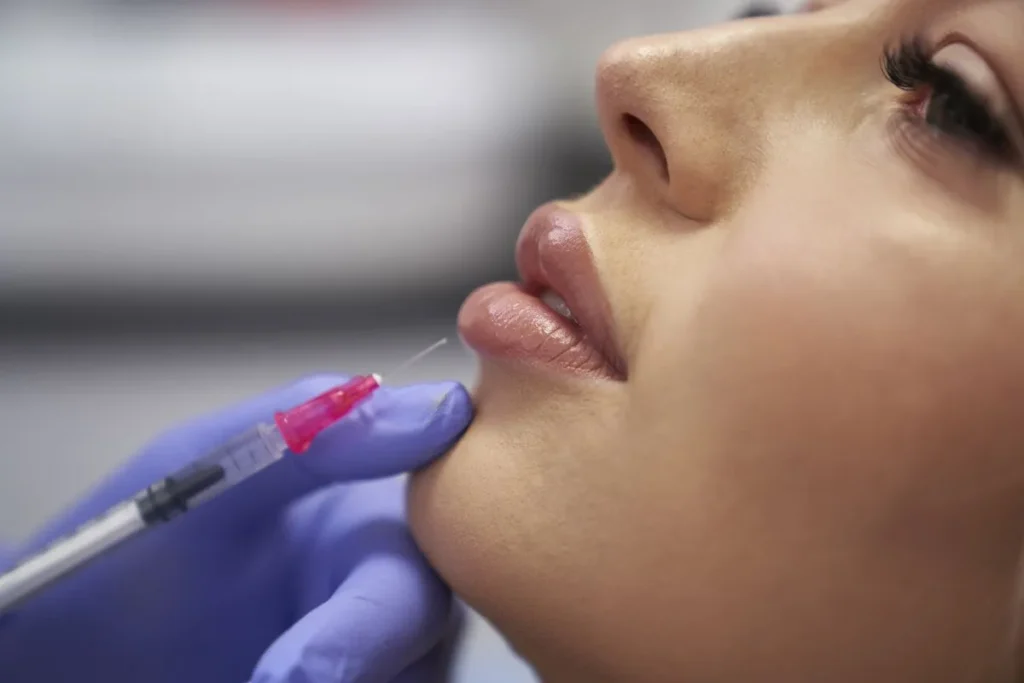
Juvederm is a popular treatment for facial concerns. Its effectiveness comes from its ingredients and the science behind them.
The Science Behind Hyaluronic Acid Fillers
Juvederm uses hyaluronic acid, a natural substance in our bodies. It keeps moisture and adds volume to the skin. A dermatologist says, “Hyaluronic acid fillers like Juvederm fill in lost volume, smooth wrinkles, and enhance facial shapes.” It also has lidocaine to make the injection less painful.
Mannitol, an antioxidant, is another key part. It keeps the filler and skin safe. This mix makes the treatment both effective and safe.
Types of Juvederm Products and Their Target Areas
Juvederm has different products for various facial issues. Each one is made to meet specific needs, from fine lines to volume loss.
Juvederm Voluma: For cheek augmentation and volume.
Juvederm Vollure: For nasolabial folds and severe wrinkles.
Juvederm Volbella: For lip enhancement and perioral lines.
Juvederm Ultra: For lip augmentation and severe wrinkles.
Each product aims for natural-looking results. This ensures the treatment enhances your features without looking too done.
Ideal Candidates for Juvederm Treatments
Who’s a good fit for Juvederm? People with signs of aging like volume loss, wrinkles, or thin lips can benefit. It works well for most skin types and offers immediate results.
Before treatment, talk to a qualified professional. They can help choose the right Juvederm product for you and discuss what you can expect.
Juvederm Side Effects: What to Expect After Treatment
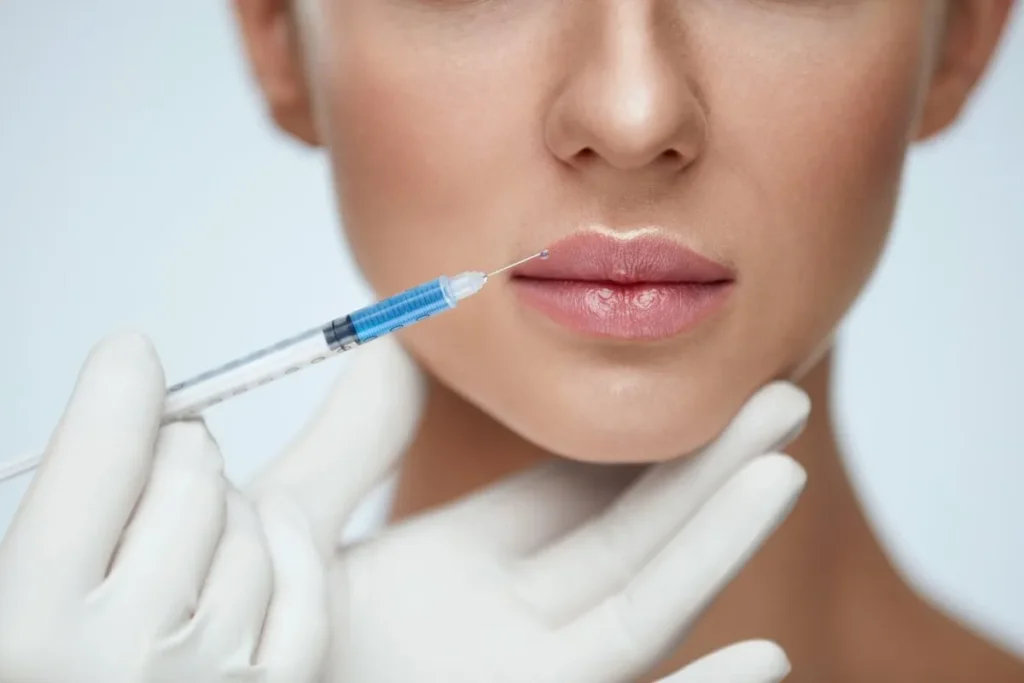
When you think about getting Juvederm, knowing the possible side effects is key. Juvederm is a safe and effective filler, but like any treatment, it can have side effects.
Common Temporary Side Effects
Most people get some temporary side effects after getting Juvederm. These can be redness, swelling, pain, tenderness, firmness, lumps or bumps, bruising, discoloration, and itching at the injection site. These effects are usually mild and go away in a few days.
To help with these symptoms, try using ice packs to reduce swelling. You can also take over-the-counter pain relievers to ease discomfort. It’s best to avoid hard activities and too much sun right after treatment.
Rare but Serious Complications
Even though rare, serious problems can happen if Juvederm is not given by a skilled provider. These can include infection, vascular occlusion, and skin necrosis. It’s important to pick a provider who knows how to use Juvederm well to lower these risks.
Signs of serious issues can be severe pain, big swelling, or skin color changes. If you notice these, reach out to your provider right away.
Managing and Minimizing Side Effects
To have a smooth recovery and lessen side effects, listen to your provider’s advice after treatment. This might mean avoiding certain meds, keeping your head up, and going to follow-up visits.
By picking a skilled provider and listening to their advice, you can cut down side effects. This way, you can enjoy the long-lasting, natural-looking results that Juvederm offers.
Conclusion
Juvederm fillers have changed the game in beauty treatments. They offer a safe way to add back facial volume and fight aging signs. So, what is Juvederm fillers? It’s a filler made from hyaluronic acid that makes your face look younger and more beautiful.
When a skilled professional uses Juvederm, you can see amazing results. You’ll look radiant and younger. Knowing what Juvederm is and its possible side effects helps you make smart choices for your beauty journey. Even though most people don’t have problems, some might experience temporary side effects.
Choosing a trusted and experienced provider is key to avoiding issues and getting the look you want. With Juvederm, you can say goodbye to wrinkles and hello to a more confident you. Juvederm is more than just a treatment; it’s a chance to enhance your beauty and shine from within.
FAQ
What is Juvederm used for?
Juvederm is a dermal filler. It helps restore a youthful look by filling in wrinkles and folds. It also enhances lip shape and rejuvenates the face.
Is Juvederm a hyaluronic acid filler?
Yes, Juvederm is made from hyaluronic acid. This ingredient attracts and retains moisture. It provides a natural look and feel.
What are the side effects of Juvederm?
Common side effects include redness, swelling, bruising, and tenderness. Rare but serious issues include infection, allergic reactions, and vascular occlusion.
How long do Juvederm side effects last?
Most side effects, like redness and swelling, go away within a few days to a week.
Is Juvederm safe?
Yes, Juvederm is safe when used by a qualified healthcare provider. It’s made from non-animal hyaluronic acid and has been thoroughly tested.
Can Juvederm be used for lip augmentation?
Yes, Juvederm can enhance lip shape and volume. It provides a more youthful and plump look.
How long does Juvederm last?
The results of Juvederm vary based on individual factors. It usually lasts between 6 to 24 months, depending on the product used.
What is the difference between Juvederm products?
Juvederm offers various products for different uses. For example, Juvederm Ultra is for lip augmentation, while Juvederm Voluma is for mid-face volume restoration.
References
National Center for Biotechnology Information. Evidence-Based Medical Insight. Retrieved from https://pmc.ncbi.nlm.nih.gov/articles/PMC2682392/





