
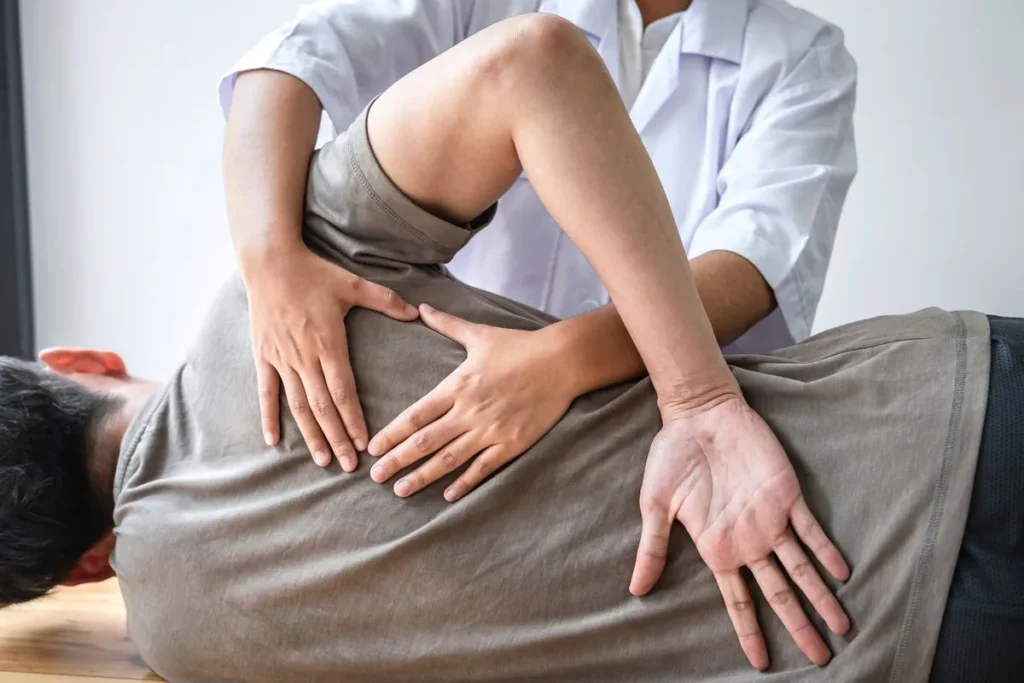
Waking up sore after a tough workout is common. It confuses many fitness fans. Whether you’re new or experienced, the pain that comes 24 to 48 hours after exercise can really get you down.how to relieve muscle pain after exercise
This issue, called Delayed Onset Muscle Soreness or DOMS, hits almost everyone. DOMS starts 12 to 24 hours after exercise and peaks at 48 to 72 hours. The good news is, you can ease this soreness with the right recovery steps.
Key Takeaways
Understand the causes of DOMS and its effects on the body
Discover 7 proven methods to relieve muscle soreness after exercise
Learn how to alleviate DOMS with proper recovery techniques
Find out how to reduce muscle pain after exercise
Improve your overall fitness routine with effective soreness relief methods
Understanding Muscle Pain After Exercise
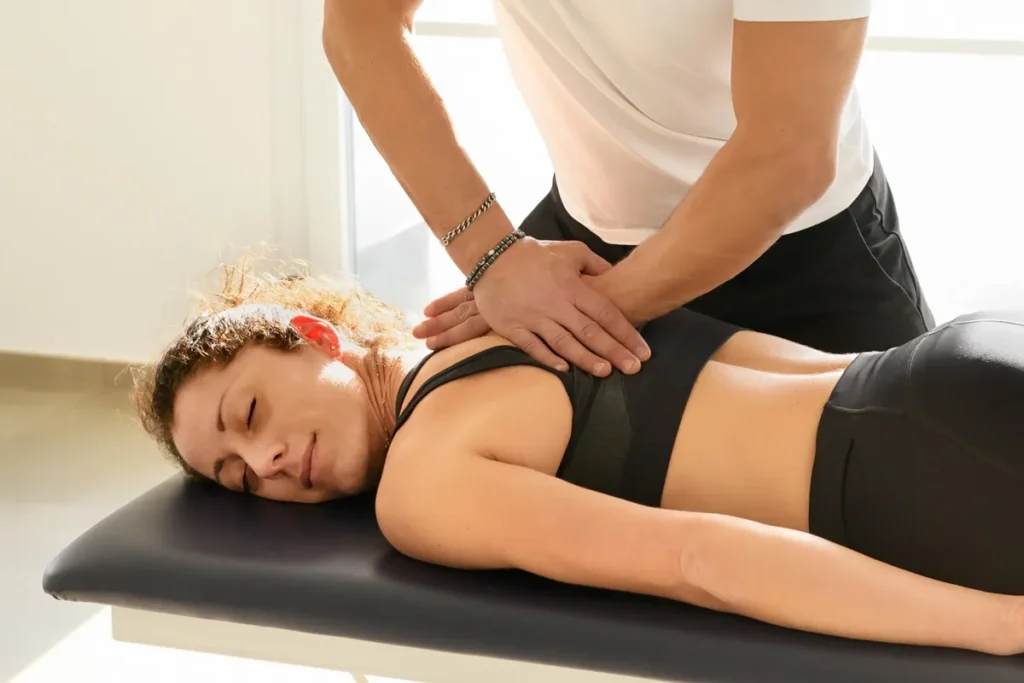
After a tough workout, muscle soreness is common. Knowing why it happens can help ease the pain. Muscle soreness affects everyone, from athletes to beginners.
Delayed Onset Muscle Soreness (DOMS) is a key concept. It’s the stiffness and pain in muscles after intense or new exercise.
What is DOMS and Why Does It Happen?
DOMS is caused by tiny muscle fiber damage and inflammation. When you do hard exercise, you tear these fibers. This leads to soreness as your body reacts.
Knowing about DOMS helps in recovery. Understanding muscle damage and inflammation lets you lessen DOMS’s impact.
The Timeline of Post-Exercise Muscle Soreness
DOMS’s timeline is important to grasp. It starts 12 to 24 hours after working out and peaks 48 to 72 hours later. This delayed start is what makes DOMS unique.
Knowing DOMS’s timeline helps in managing recovery. This knowledge lets you control your fitness journey and reduce soreness.
Immediate Relief Methods for Muscle Pain
Muscle soreness after exercise can be really tough. But, there are ways to feel better right away. Knowing how to ease the pain and help your muscles recover is key.
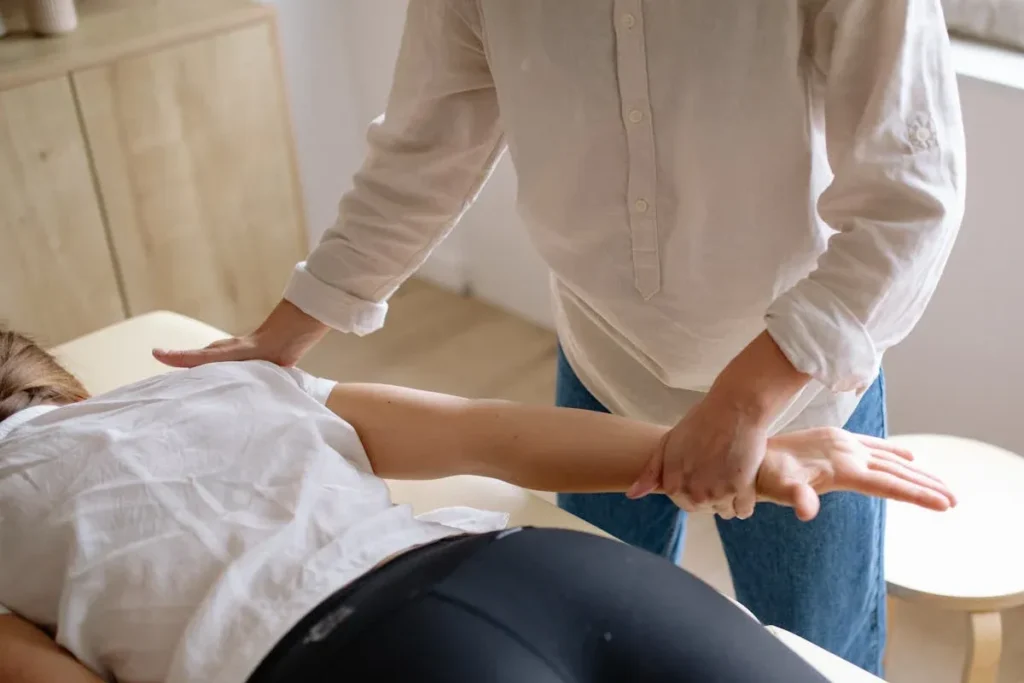
1. Massage Therapy for Increased Blood Flow
Massage therapy is great for easing muscle soreness. It boosts blood flow, which helps reduce swelling and aids in healing. Deep tissue massage and trigger point therapy are good for sore muscles.
Adding massage to your recovery plan is a good idea. You can get a post-workout massage or use a foam roller or self-massage tool yourself. Regular massage can help with soreness now and prevent it in the future.
2. Heat Therapy Applications
Heat therapy is another quick way to ease muscle pain. It increases blood flow and eases muscle spasms. You can use a heating pad, warm bath, or heat wrap for this.
For best results, use heat for 15-20 minutes at a time. This lets the heat deeply reach your muscles. Heat therapy works well with other recovery methods like stretching or massage.
3. Light Active Recovery Exercises
Doing light active recovery exercises can also help with sore muscles. Activities like light cardio, gentle stretching, or yoga improve blood flow and reduce stiffness. These exercises should be easy and not make the soreness worse.
For example, a gentle 10-minute walk or some light stretching can ease sore legs after exercise. It’s important to keep movements gentle and controlled. Avoid high-impact activities that could strain your muscles more.
How to Relieve Muscle Pain After Exercise with Additional Techniques
There are many ways to ease muscle pain after working out. These methods help your muscles heal, reduce swelling, and relax. This makes your recovery better.
Proper Hydration Strategies
Drinking enough water is key for muscle recovery. Proper hydration gets rid of toxins and lowers muscle swelling. Aim for eight glasses of water a day, more if you’re very active. Also, drink electrolyte-rich drinks to replace lost salts.
Anti-inflammatory Foods and Supplements
Eating anti-inflammatory foods and taking supplements can help with sore muscles. Foods like salmon and walnuts are good because they fight inflammation. Turmeric and ginger supplements also help. Adding these to your diet can ease muscle pain and speed up recovery.
Stretching Routines for Sore Muscles
Gentle stretching routines can ease muscle tension and improve flexibility. Use static stretches that hold the muscle for 15-30 seconds. This can lessen soreness and improve movement. Stretch gently to avoid injury.
Cold Therapy and Ice Baths
Cold therapy and ice baths are great for reducing muscle pain and swelling. Cold helps shrink blood vessels, which can lessen swelling and numb pain. Ice baths are very effective for full-body recovery after hard workouts. Make sure the water isn’t too cold, and stay in for 10-15 minutes to avoid getting too cold.
Adding these techniques to your recovery plan can help a lot. Whether it’s staying hydrated, eating anti-inflammatory foods, stretching, or using cold therapy, there’s something for everyone.
Conclusion: Creating Your Post-Workout Recovery Plan
Creating a post-workout recovery plan is key to feeling better after exercise. By using the 7 proven methods from this article, you can decrease soreness after working out. This helps your body heal faster.
First, find out what works for you. Maybe it’s massage therapy, heat therapy, or light active recovery exercises. Mix these with staying hydrated, eating anti-inflammatory foods, and stretching. This makes a complete recovery plan.
This way, you can help sore muscles from gym activities. It also cuts down on the pain from sore muscles day after working out. A good recovery plan is essential for curing muscle pain after exercise and reaching your fitness goals.
Take charge of your recovery and make a plan that fits you. With the right methods and caring for yourself, you can reach your best. Enjoy a healthier, more vibrant you.
FAQ
Why is my body sore after working out?
Muscle soreness after exercise is called delayed onset muscle soreness (DOMS). It happens when tiny muscle fibers get damaged. This damage causes inflammation, leading to pain and stiffness.
How can I alleviate soreness from working out?
To ease soreness, you can try massage therapy, heat therapy, or light exercises. Drinking plenty of water and eating foods that fight inflammation also helps. Stretching and cold therapy are other good options.
Why do my legs hurt after a workout?
Leg pain after working out often comes from DOMS. This is common if you’ve done squatting, lunging, or running. Foam rolling, stretching, and using heat or cold can help.
What can I do to help my sore muscles?
For sore muscles, massage, heat or cold therapy, and light exercises are good. Drinking enough water and eating foods that fight inflammation also helps. Stretching is another way to recover.
How can I prevent sore muscles after a workout?
You can’t avoid DOMS completely, but you can lessen it. Start with easier exercises and warm up and cool down properly. Foam rolling and stretching can also help.
What to do when sore from working out?
When sore, try massage, heat therapy, or light exercises right away. Drinking water, eating anti-inflammatory foods, stretching, and cold therapy can also help.
How to ease soreness after exercise?
To ease soreness, mix immediate relief methods with other techniques. This includes massage, heat or cold, light exercises, hydration, anti-inflammatory foods, stretching, and foam rolling.
How to help sore muscles from the gym?
For sore muscles from the gym, try foam rolling, stretching, and heat or cold therapy. Drinking water, eating anti-inflammatory foods, and doing light exercises also helps.
References
National Center for Biotechnology Information. Evidence-Based Medical Insight. Retrieved from https://pmc.ncbi.nlm.nih.gov/articles/PMC10219904/





