
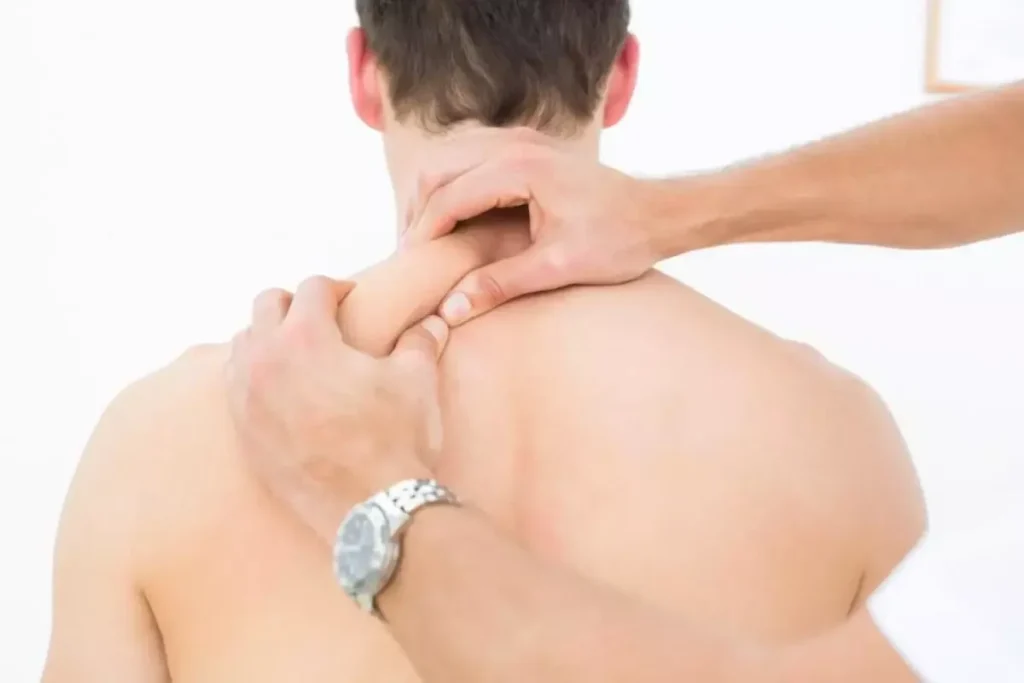
Neck spasms can really hurt, causing sudden muscle tightness. They can make everyday tasks hard and lower your quality of life. These spasms can be caused by bad posture, sudden movements, or stress. But, they are common and can be treated.
It’s important to know what causes neck muscle cramp to find relief. MedlinePlus says treatments include pain relievers, physical therapy, and changing your lifestyle. This guide will show you how to feel better and move more easily.
Key Takeaways
Understand the causes and risk factors of neck spasms to find effective relief.
Explore various treatment options, including over-the-counter pain relievers and physical therapy.
Learn preventive measures to reduce the occurrence of neck spasms.
Discover lifestyle adjustments that can help alleviate neck muscle cramp.
Find out how to incorporate relaxation techniques to manage stress-related neck spasms.
Understanding Neck Spasms: Causes and Risk Factors
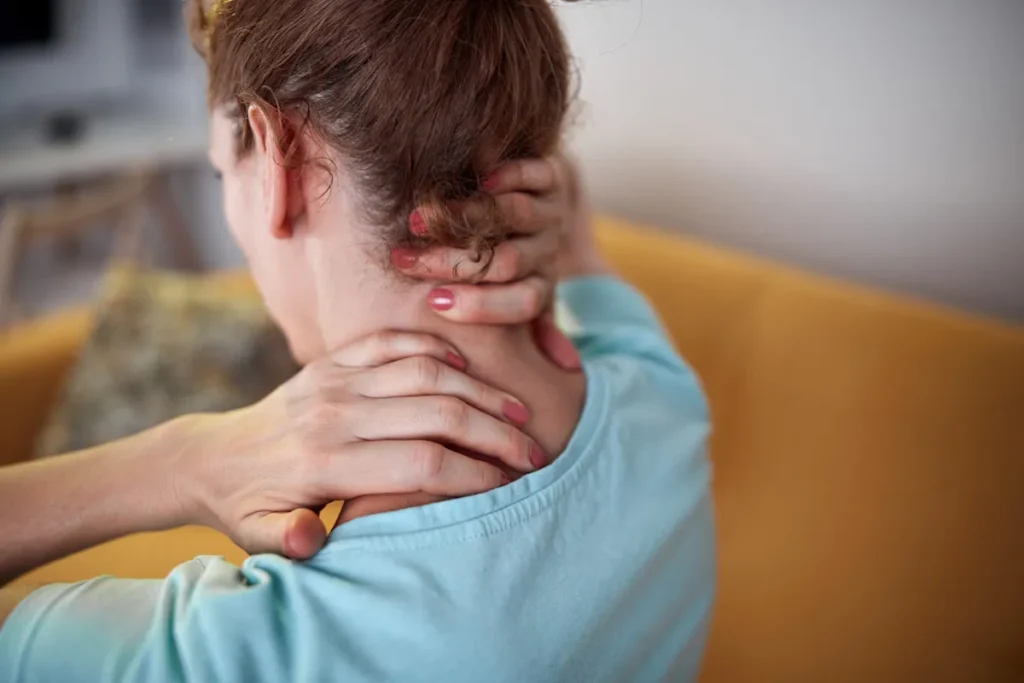
Knowing why neck spasms happen is key to feeling better. These spasms, or muscle contractions, can really affect your day-to-day life.
What Are Neck Spasms?
Neck spasms, or spasming neck muscles or neck muscle cramps, happen when your neck muscles contract on their own. This can lead to pain, stiffness, and trouble moving your neck.
Common Causes of Cervical Muscle Spasms
Many things can lead to neck muscle spasms. These include:
Muscle overexertion or strain
Poor posture
Stress and tension
Mechanical dysfunction or injury
The table below shows common causes and their effects:
Modern Lifestyle Contributors
Today’s lifestyle plays a big role in spasm of the neck. These include:
Extended screen time
Sedentary work habits
Inadequate postural support
By knowing these causes and risk factors, you can take steps to avoid and manage neck spasms. This can greatly improve your life quality.
Immediate Relief Strategies for Neck Spasms

Getting quick relief from neck spasms is possible with the right methods. It’s key to tackle the pain fast to avoid more strain.
Heat and Cold Therapy
Heat or cold therapy is a top way to ease neck spasms. Heat therapy, like a warm bath or heating pad, relaxes muscles and boosts blood flow. Cold therapy, such as an ice pack, cuts down inflammation and dulls pain.
Try both heat and cold to see what works for you. A healthcare expert notes, “The choice between heat and cold therapy depends on the individual’s response and the specific condition causing the neck spasm.”
Gentle Stretching Techniques
Simple stretches can also help a lot. Try tilting your head to the side, bringing your ear to your shoulder, or slowly turning your head. These moves can ease tight muscles.
Slowly tilt your head to the right, bringing your ear towards your right shoulder.
Hold for 30 seconds and then switch to the left side.
Gently turn your head to the right, looking over your shoulder, and hold for a few seconds before turning to the left.
Self-Massage Methods
Self-massage is another great way to ease neck tension. Use your fingertips to massage the back of your neck and shoulders in circles. You can also use a foam roller or tennis ball against a wall to work out knots.
When to Seek Medical Attention
While many neck spasms can be handled on your own, some need medical help. If you have severe pain, numbness, tingling, or if the spasm gets worse, see a doctor.
By using these quick relief strategies, you can better manage neck spasms and live better.
Neck Spasm Medicine and Treatment Options
There are many ways to treat neck spasms, from pain relievers to alternative therapies. Knowing these options helps manage and relieve neck spasms effectively.
Over-the-Counter Pain Relievers
OTC pain relievers are often the first choice for neck spasms. Ibuprofen and acetaminophen can reduce pain and swelling. This makes it easier to handle neck spasms.
It’s important to take the right amount and talk to a doctor if the pain doesn’t go away.
Prescription Medications
For severe neck spasms, prescription meds might be needed. Muscle relaxants are often prescribed to ease muscle tension and spasms.
These drugs should only be taken with a doctor’s advice due to possible side effects.
Physical Therapy Approaches
Physical therapy is a great way to treat neck spasms. It focuses on exercises and techniques to improve neck mobility and strength.
A physical therapist can make a custom exercise plan. This helps ease neck spasms and prevent them from coming back.
Alternative and Complementary Treatments
Alternative therapies like acupuncture, massage therapy, and chiropractic care can also help with neck spasms.
These treatments can be used along with traditional medical approaches. They help improve overall well-being.
Conclusion: Prevention and Long-Term Management
Take control of your neck health with simple habits. Good posture is key to avoid straining your neck muscles. Make sure to stretch and move around during work or when using digital devices.
Exercise is also vital in preventing neck cramps. Activities that strengthen your neck and shoulders can help manage cramps. If you have persistent or severe spasms, try physical therapy or alternative therapies. Learn more about managing nonradicular neck pain to find the right treatment for you.
By making these habits part of your daily life, you can lower the risk of neck spasms. This will improve your overall health and lead to a more active lifestyle.
FAQ
What is a neck spasm?
A neck spasm is when your neck muscles suddenly contract. This can cause pain, stiffness, and make it hard to move your neck.
How to cure neck muscle spasm?
To treat neck muscle spasms, use self-care like heat or cold therapy, stretching, and self-massage. You can also try over-the-counter pain relievers and physical therapy.
What are the common causes of neck spasms?
Neck spasms can be caused by muscle strain, poor posture, stress, or medical issues like herniated disks or spinal stenosis.
How to get rid of cramp in neck?
To ease a neck cramp, apply heat or cold, stretch gently, and try relaxation techniques like deep breathing or meditation.
How to treat a neck spasm?
Treating neck spasms involves self-care, medical treatments, and lifestyle changes. Keep good posture and take breaks regularly.
What are the symptoms of a neck spasm?
Neck spasm symptoms include pain, stiffness, limited movement, and tight or tender muscles in the neck.
How to help muscle spasms in neck?
For muscle spasms in the neck, use heat or cold, stretch gently, and try self-massage with foam rolling or self-myofascial release.
What is the best treatment for neck spasms?
The best treatment for neck spasms varies based on the cause and severity. It often includes self-care, medical treatments, and lifestyle changes.
How to relieve neck cramp?
To relieve a neck cramp, apply heat or cold, stretch gently, and use relaxation techniques like deep breathing or meditation.
What to do when neck spasms?
If you have neck spasms, stay calm, use heat or cold, and stretch gently. This can help ease discomfort and relax your neck.
How do you get rid of a neck cramp?
To get rid of a neck cramp, combine heat or cold therapy with gentle stretching and self-massage. Seek medical help if the cramp doesn’t improve or gets worse.
References
National Center for Biotechnology Information. Evidence-Based Medical Insight. Retrieved from https://pubmed.ncbi.nlm.nih.gov/28622403/





