

Sharp, stabbing pain on one side of your face can be very hard to deal with. It makes simple tasks like eating or brushing your teeth very painful. If you’re feeling sudden, intense jaw pain or stabbing sensations, you might have facial neuralgia. This is a serious condition that needs special care.
GoldCity Center offers top-notch medical care and focuses on you. They aim to help you feel better from sharp jaw pain. Their team is here to help you take back control of your life.
Key Takeaways
Understanding facial neuralgia and its symptoms is key to managing it well.
GoldCity Center provides specialized care for facial neuralgia.
Sharp jaw pain relief is a main goal in treating facial neuralgia.
Patient-centered approaches mean treatment plans are made just for you.
Internationally competitive medical expertise is available for complex cases.
Understanding Facial Neuralgia and Its Causes
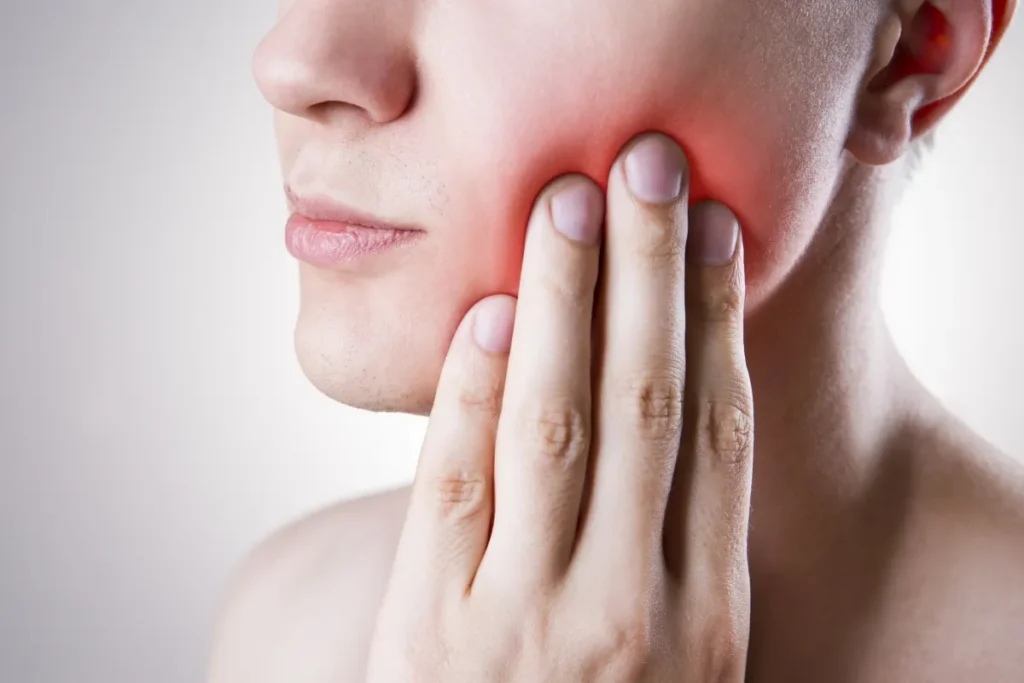
Understanding facial neuralgia is key to easing sharp jaw pain. Facial neuralgia, like trigeminal neuralgia, is a chronic pain issue. It affects the trigeminal nerve, causing intense face pain.
What Is Trigeminal Neuralgia?
Trigeminal neuralgia brings sudden, severe, stabbing pain to one side of the face. The trigeminal nerve is vital for face sensations and muscle control. Compression by blood vessels usually causes this pain.
This compression often happens near the nerve’s entry into the brain stem. In up to 95% of cases, it does. This condition can make everyday activities hard, like eating and speaking. Knowing the cause is key to finding the right treatment.
Common Triggers of Sharp Jaw Pain
Sharp jaw pain can come from many things, including:
Compression of the trigeminal nerve by blood vessels
Multiple sclerosis
Tumors or cysts pressing on the trigeminal nerve
Injury to the face or jaw
Finding out what triggers the pain is important. It helps manage the condition and prevent future pain.
Why One Side of the Face Is Often Affected
The trigeminal nerve handles sensations on both sides of the face. But, compression usually happens on one side. This is why pain in one side of the face is common in trigeminal neuralgia.
Compression can be due to many things, like anatomical issues or a blood vessel pressing on the nerve. Knowing why one side is affected helps in diagnosing and treating the condition.
Effective Treatment Options for Facial Neuralgia
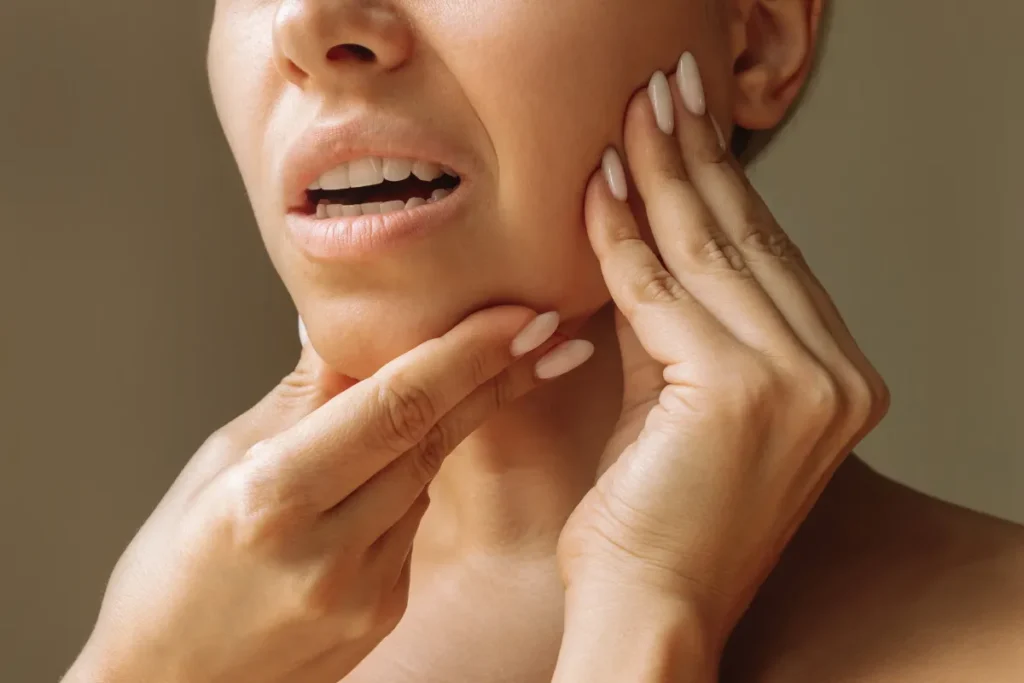
Dealing with facial neuralgia symptoms often requires a mix of medical and interventional treatments. The main goal is to give nerve pain relief and better the lives of those affected.
Medication Approaches for Nerve Pain
Medicines are usually the first step in treating trigeminal neuralgia. Carbamazepine is often chosen because it works well in reducing or stopping the pain. Other drugs like oxcarbazepine, lamotrigine, and gabapentin might also be used, alone or together, to help manage pain better.
Minimally Invasive Procedures
For those who don’t get better with medicine or have too many side effects, there are other options. These methods aim to ease pressure on the trigeminal nerve or damage it to stop the pain. Glycerol injection, balloon compression, and radiofrequency thermal lesioning are some of these procedures.
Surgical Interventions for Severe Cases
In very bad cases of trigeminal neuralgia, surgery might be needed. Microvascular decompression is a surgery that removes pressure on the trigeminal nerve by moving or taking out blood vessels touching the nerve. This can help with long-term pain relief but comes with bigger risks compared to other treatments.
Every treatment has its own good and bad sides. The right choice depends on the patient’s situation, health history, and what they prefer. It’s important to talk to a doctor to find the best treatment plan.
Quick Relief Strategies for Jaw Burning Pain
Finding quick relief from jaw burning pain is key for those with trigeminal neuralgia. This condition can cause sharp pain in the jaw, making daily tasks hard. To manage it, you need immediate relief, lifestyle changes, and ways to reduce stress.
Immediate Pain Management Techniques
For sudden stabbing pain in the jaw, quick relief is essential. Using a cold compress or over-the-counter pain relievers can help. A study found that a cold pack can numb the skin and tissues, reducing pain.
For ongoing pain, looking into home remedies for trigeminal can help. Gentle jaw exercises and avoiding triggers are also good strategies.
Dietary and Lifestyle Adjustments
Changing your diet can help with jaw burning pain. Avoiding foods and drinks with extreme temperatures is a good start. Adding anti-inflammatory foods, like omega-3s, to your diet can also help manage pain.
Making lifestyle changes, like reducing stress and getting enough sleep, is important. Stress reduction techniques, like meditation and deep breathing, can help lower stress and reduce pain.
Stress Reduction for Neurological Pain
Stress can trigger trigeminal neuralgia pain. Activities like yoga, tai chi, or mindfulness meditation can help manage stress. Regular exercise and relaxation techniques can also improve your overall well-being and reduce pain.
When to Seek Emergency Medical Help
While managing jaw burning pain at home is possible, sometimes medical help is needed. If the pain is severe or if you have signs of infection, like swelling or fever, seek emergency care.
Knowing when to seek help is important. It ensures you get the care you need to manage your condition effectively.
Conclusion
Understanding and managing trigeminal neuralgia is key to improving life quality. Recognizing causes and triggers is the first step. This helps in managing the condition effectively.
There are many treatments and lifestyle changes that can help. Medications, procedures, dietary changes, and stress reduction are some options. These strategies can reduce the condition’s impact.
Combining the right treatment with lifestyle changes can bring significant relief. This approach empowers those affected. It helps them regain control and live a pain-free life.
FAQ
What is trigeminal neuralgia, and how does it affect the face?
Trigeminal neuralgia, also known as facial neuralgia, is a chronic condition. It causes intense pain on one side of the face, like the jaw, cheek, or forehead. This pain is sharp and stabbing due to the trigeminal nerve being compressed or irritated.
What are the common triggers for sharp jaw pain in trigeminal neuralgia?
Triggers for sharp jaw pain include gentle touch, eating, talking, or even a light breeze. Some people feel pain when brushing teeth, chewing, or swallowing.
Why does trigeminal neuralgia typically affect one side of the face?
It affects one side because the trigeminal nerve is paired. One nerve is on each side of the face. Irritation of one nerve causes pain on that side.
What are the treatment options available for facial neuralgia?
Treatments include medications like anticonvulsants and pain relievers. Minimally invasive procedures like nerve blocks and radiofrequency ablation are also options. Surgical interventions, such as microvascular decompression, are available too.
How can I manage sharp jaw pain quickly?
To manage sharp jaw pain, try applying heat or cold packs. Relaxation techniques and pain-relieving medication can also help. Avoiding trigger foods and managing stress can alleviate symptoms.
When should I seek emergency medical help for facial neuralgia?
Seek emergency help for severe pain, trouble speaking or swallowing, numbness, or weakness in the face. If symptoms worsen, consult a healthcare professional for the best treatment.
Can stress trigger or worsen trigeminal neuralgia symptoms?
Yes, stress can trigger or worsen symptoms. Stress-reducing activities like meditation, deep breathing, or yoga can help. They can reduce symptoms’ frequency and severity.
Are there any dietary changes that can help manage trigeminal neuralgia?
Yes, avoiding trigger foods and eating soft or liquid foods can help. Staying hydrated is also important. Some foods or drinks may trigger or worsen symptoms.
Can trigeminal neuralgia be cured?
There’s no definitive cure, but treatments can manage symptoms. A personalized treatment plan with a healthcare professional can offer significant relief.
References
New England Journal of Medicine. Evidence-Based Medical Insight. Retrieved from https://www.nejm.org/doi/full/10.1056/NEJM199604253341701





