
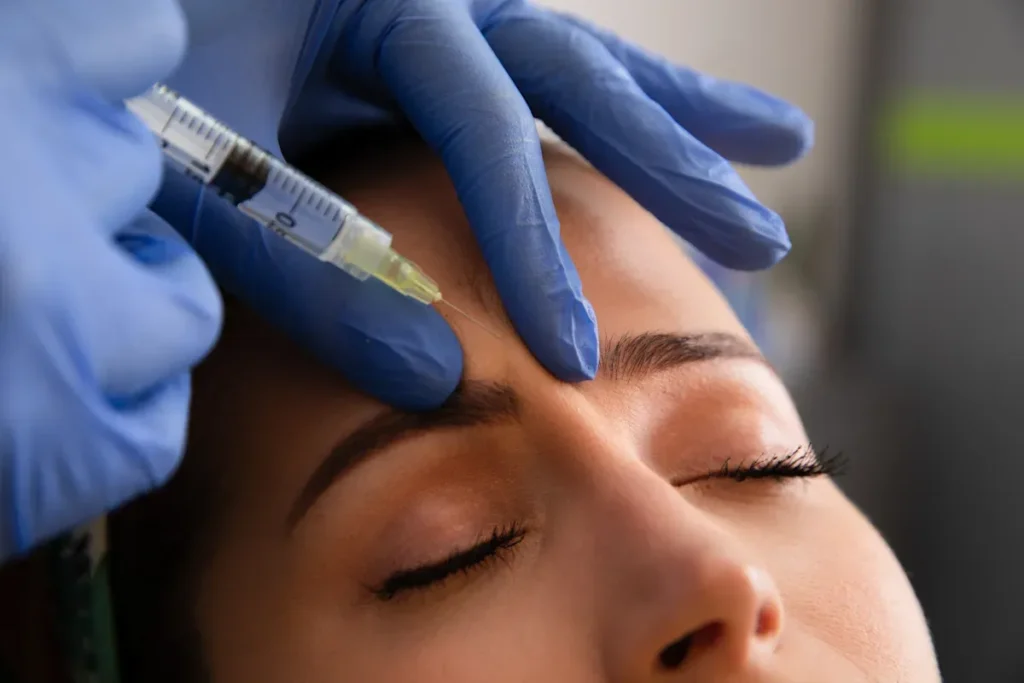
Botox is a big help for people with chronic migraines. It’s proven to cut down on headache days. For those with 15 or more headache days a month, Botox injections can decrease migraine days by 30-50 percent.
It’s given every 12 weeks in the forehead, scalp, neck, and shoulders. This FDA-approved treatment calms overactive nerves and stops pain signals.
Knowing if Botox is safe and works is key. Studies show Botox is mostly safe, with few long-term side effects and risks. Always talk to a doctor about the good and bad before starting treatment.
Key Takeaways
Botox is FDA-approved for chronic migraine prevention in adults.
It can reduce migraine frequency by 30-50 percent.
Botox injections are administered every 12 weeks.
The treatment works by calming overactive nerves and blocking pain signals.
Understanding long-term side effects is key for making smart choices.
Understanding Botox as a Migraine Treatment
Botox is a game-changer for migraines, bringing hope to those with chronic headaches. Known for its cosmetic use, it also helps those with frequent and severe migraines.
FDA Approval for Chronic Migraines
In 2010, the FDA approved Botox for chronic migraines. This was a big step forward in managing this tough condition. Chronic migraines happen on 15 or more days a month, with at least eight days meeting migraine criteria. The approval came from the PREEMPT clinical program, showing Botox’s success in cutting down migraine days.
How Botox Works to Prevent Headaches
Botox blocks pain signals to the brain. It’s given as injections around the head and neck for migraine prevention. It calms overactive nerves and muscles that cause migraine pain. This makes it a valuable treatment for migraines.
It works by reducing pain signals to the brain. This cuts down on migraine frequency and severity. It does this by affecting the nerves and muscles involved in migraines.
Effectiveness and Administration of Botox Treatments
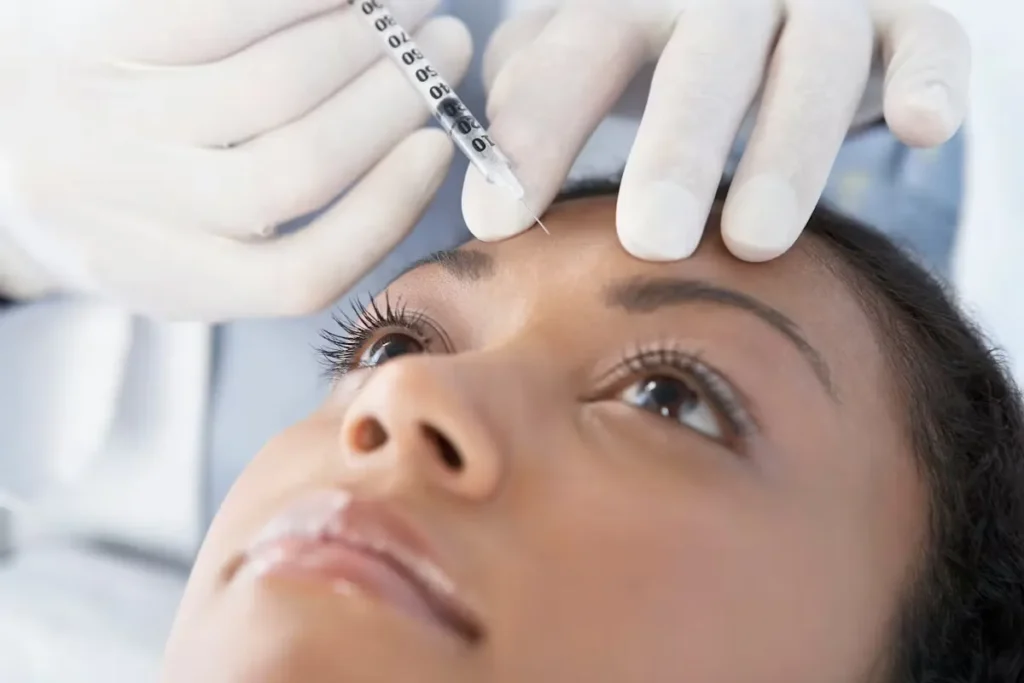
Clinical trials show Botox is safe and effective for chronic migraines. It’s given through injections in the head and neck. This method is popular because it cuts down migraine days significantly.
Research Data: Success Rates and Expectations
Studies reveal patients see a drop from 6 to 7 headache days a month to 8 to 9 with Botox. This shows a clear decrease in migraine days for those treated with Botox.
A healthcare professional
Treatment Protocol and Injection Sites
The Botox treatment involves 31 specific sites around the head and neck. These sites are chosen to maximize Botox’s effect.
Cost Considerations and Insurance Coverage
The cost of Botox treatments can change based on location and provider. Yet, most insurance, including Medicare and Medicaid, covers it for chronic migraines. This is because it’s FDA-approved for this use.
Botox vs. Other Migraine Treatments like Vyepti
Patients often weigh Botox against other treatments like Vyepti for chronic migraines. Both are effective but work differently. The choice depends on what each patient needs and prefers.
Botox: Involves injections into multiple sites around the head and neck.
Vyepti: Administered via intravenous infusion.
Botox for Migraines Long Term Side Effects
Thinking about Botox for migraines? It’s key to know the long-term side effects. Botox has changed lives for many with chronic migraines. But, it’s important to think about the good and the bad.
Common Short-Term Side Effects and Duration
Most people do well with Botox, but it can have side effects. Common short-term side effects include:
Neck pain, reported in approximately 9% of patients
Injection site pain, affecting about 4.3% of patients
Headache
Eyelid drooping
These side effects are usually mild and short-lived. They often go away within a few days to a week after treatment.
Potential Long-Term Complications
Though rare, serious side effects can happen. Long-term complications include:
Spread of toxin effects: This can lead to botulism, a serious condition that can make swallowing or breathing hard.
Allergic reactions: Some people might be allergic to Botox, leading to an allergic reaction.
Muscle thinning: Using Botox over time can thin muscles near the injection sites.
Talking to a healthcare provider about these risks is important. They can help you understand the benefits and risks.
Can Botox Make Migraines Worse?
Some worry that Botox could make migraines worse. But, studies show it usually helps. It can make attacks less frequent and less severe. Always check in with your healthcare provider to adjust your treatment as needed.
Who Should Avoid Botox for Migraines
Some people should not get Botox for migraines. This includes:
Those with known hypersensitivity to Botox or its ingredients
Patients with certain neurological disorders
Pregnant or breastfeeding women, due to the lack of complete safety data
Always talk to a healthcare provider before starting Botox. They can decide if it’s right for you based on your health and history.
Conclusion
Botox is a great option for people with chronic migraines. It helps by making migraines happen less often and be less severe. Knowing how botox works for migraines helps patients make smart choices about their treatment.
Studies have found that botox can cut down on how often headaches happen. This is good news for those who deal with chronic migraines. To get the best results, it’s important to stick to the treatment plan and know the possible risks and benefits.
Choosing botox for migraines is a big step towards a life with fewer headaches. Botox is safe and effective, making it a good choice for managing migraines. Understanding how botox works and knowing about possible side effects helps patients feel confident in their treatment choices.
FAQ
How effective is Botox for migraines?
Botox is very effective in cutting down migraine attacks. Studies show a big drop in headache days.
How does Botox work for migraine headaches?
Botox blocks pain signals to the brain. It targets nerves and muscles that cause migraine pain.
What are the long-term side effects of Botox for migraines?
Botox is usually safe, but rare side effects include muscle thinning at injection sites.
How does Botox compare to other migraine treatments like Vyepti?
Botox and Vyepti both help with migraines but in different ways. Talking to a doctor can help choose the right one for you.
What is the cost of Botox for migraines, and is it covered by insurance?
Botox for migraines costs vary. Many insurance plans cover it. Check with your insurance to see if it’s covered.
Can Botox make migraines worse?
Botox usually makes migraines better, but some people might see their symptoms get worse. This is rare, though.
Where can I get Botox for migraines?
You can get Botox for migraines at many medical spas and healthcare providers. A qualified professional can help find the best treatment for you.
What are the common short-term side effects of Botox for migraines, and how long do they last?
Short-term side effects include neck pain and pain at the injection site. These usually go away in a few days.
Is Botox good for migraines?
Yes, Botox is a great option for chronic migraines. It significantly reduces headache frequency, helping many patients.
How is Botox administered for migraines?
Botox is given through injections in 31 specific spots on the forehead, scalp, neck, and shoulders. This is done every 12 weeks.
References
National Center for Biotechnology Information. Evidence-Based Medical Insight. Retrieved from https://pubmed.ncbi.nlm.nih.gov/21070240/





