
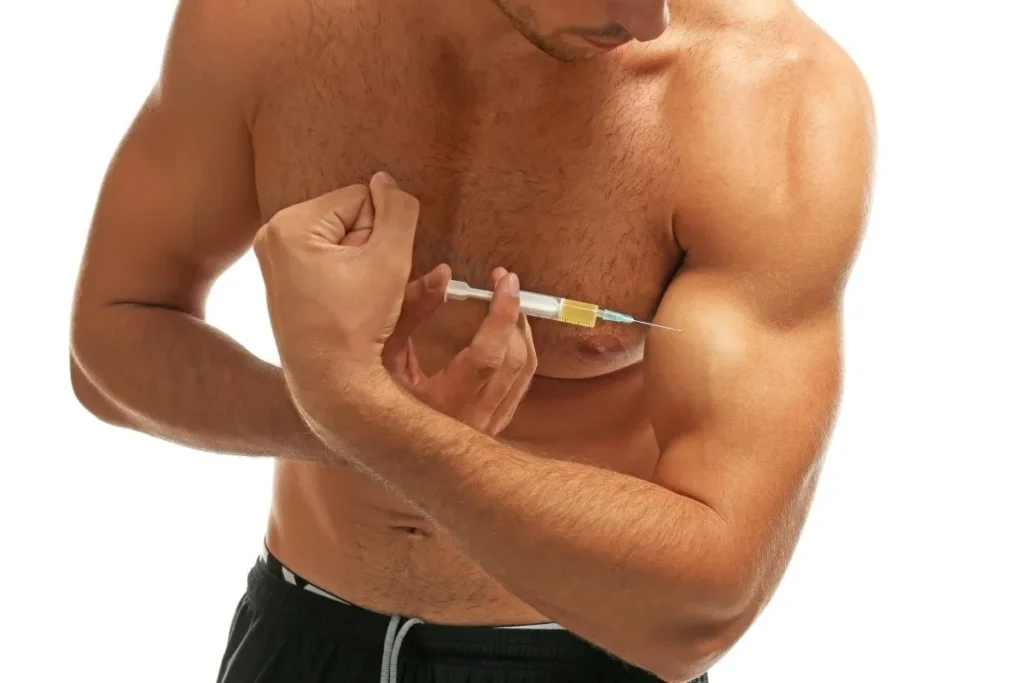
Intra-articular steroid injections are a key treatment for shoulder pain and limited movement. Studies show that shoulder pain affects about 14.7 per 1000 people each year. It’s a common issue, with up to 70 percent of people experiencing it at some point in their lives.
These injections help a lot with pain and improve how well you can move your shoulder. They work for issues like frozen shoulder and tendonitis. The process is simple: corticosteroids are injected into the joint to cut down on swelling. Knowing how it’s done can help patients feel better and move more easily.
Key Takeaways
Intra-articular steroid injections are a highly effective treatment for shoulder pain.
The procedure involves injecting corticosteroids into the shoulder joint.
Conditions such as adhesive capsulitis and rotator cuff tendonitis can benefit from this treatment.
Significant pain relief and improved function are common outcomes.
Proper technique and preparation are key for successful treatment.
Understanding Shoulder Joint Injections

Intra-articular shoulder injections are a top choice for treating pain and boosting mobility in those with shoulder issues. They involve putting corticosteroids right into the shoulder joint. This targeted approach helps with many conditions.
What Are Intra-articular Shoulder Injections?
These injections put corticosteroids into the joint space. It’s great for adhesive capsulitis, or frozen shoulder, which affects 2 to 5 percent of adults. The direct injection means the treatment works well with fewer side effects.
Common Conditions Treated with Shoulder Injections
Shoulder injections help with rotator cuff tendonitis and osteoarthritis. These issues cause a lot of pain and make it hard to move. The injections reduce inflammation and pain, helping the shoulder work better.
Clinical Evidence for Effectiveness
Research backs up the success of intra-articular shoulder injections. Studies show a significant drop in pain scores at different times after the injection. This proves they’re a lasting solution for shoulder pain and better outcomes for patients.
Preparation for Shoulder Steroid Injection

Getting ready for a shoulder injection is key. It involves several important steps. These steps make sure the procedure is safe and works well.
Required Equipment and Medications
For a shoulder steroid injection, you need certain things. These include sterile gloves, antiseptic solution, corticosteroids, and local anesthetics. The needle for cortisone injection must fit the patient’s body and the procedure.
Having all the needed items ready is important. It helps avoid delays and makes the procedure smoother.
Patient Positioning and Preparation
How the patient is positioned is very important. They should be comfortable, either sitting or lying down. This makes it easy to reach the shoulder area.
The skin at the injection site needs to be cleaned with antiseptic solution. The area should be covered to keep it sterile.
Identifying Anatomical Landmarks
Finding the right spots on the body is a big deal. It helps place the needle correctly during a shoulder test injection. Knowing the shoulder’s surface anatomy is essential.
Using guidelines from the aafp shoulder injection can help find the right spots. This makes the injection more accurate.
By preparing well, healthcare providers can reduce risks. They can also make the shoulder steroid injection more effective.
Shoulder Steroid Injection Techniques
The success of shoulder steroid injections depends on the technique used. Healthcare professionals employ several methods. Knowing these techniques is key for effective treatment.
Anterior Approach Method
The anterior approach is a common technique for shoulder steroid injections. It involves injecting the steroid from the front into the shoulder joint. Accuracy is key to ensure the steroid goes into the joint space.
To do an anterior approach injection, the patient’s arm is at their side. The injection site is found using landmarks. A study on NCBI says finding these landmarks accurately is vital for success.
Posterior Approach Method
The posterior approach is another way to inject steroids into the shoulder joint. It accesses the joint from the back. It’s often chosen when the front approach isn’t possible.
Ultrasound-Guided Injection Technique
Ultrasound-guided injections are a modern, precise method. They use real-time ultrasound to guide the needle. This technique is known for its high accuracy.
Using ultrasound guidance can lead to better results. The table below compares the different techniques:
Each technique has its benefits. The choice depends on the patient’s condition and the doctor’s preference. Understanding these methods helps healthcare providers improve treatment outcomes for patients.
Post-Injection Management
To get the most from a shoulder steroid injection, following a good post-injection care plan is key. Proper care after the shot can make the treatment work better and lower risks.
Immediate Post-Procedure Instructions
Right after the shot, patients need to follow certain steps for a smooth recovery. Immediate post-procedure instructions include:
Resting the injected shoulder for a short period
Avoiding strenuous activities for a few days
Applying ice to reduce pain and swelling
Monitoring for signs of infection or other complications
A medical expert says,
Potential Complications and Management
Even though safe, shoulder steroid injections can lead to possible complications, like:
Expected Outcomes and Follow-up Care
Patients should see less pain and better shoulder function after the shot. Follow-up care is key to check how well the treatment worked and to talk about any worries.
Contraindications and Special Considerations
Some conditions, like diabetes and coagulopathy, need special care with steroid shots. It’s important to talk about any health issues with your doctor to make sure the treatment is safe.
Knowing how important post-shot care is and following the right steps can help patients get the most from their shoulder steroid injection. It also helps avoid risks.
Conclusion
Steroid injections into the shoulder joint are a helpful treatment for shoulder pain and limited movement. These injections offer relief from pain and help improve joint mobility. This makes them a valuable option for many patients.
Studies show that intra-articular shoulder injections work well for different shoulder problems. Knowing how to prepare and manage after the injection is key. This knowledge helps healthcare providers give the best care, leading to better results for patients.
Many people see big improvements in their symptoms after getting these injections. This makes intra-articular shoulder injections a good choice for those looking to ease shoulder pain. The positive outcomes are well-documented.
Thanks to these injections, patients can live better lives and do more easily. It’s important to think about each patient’s needs and situation. This ensures the treatment works best for them.
FAQ
What is a shoulder steroid injection?
A shoulder steroid injection is a procedure. It involves injecting corticosteroids into the shoulder joint. This is to reduce inflammation and relieve pain.
What conditions are treated with intra-articular shoulder injections?
These injections are used to treat several conditions. They are common for frozen shoulder, rotator cuff tendonitis, and adhesive capsulitis.
How is the shoulder prepared for a steroid injection?
Before the injection, the equipment is set up. The patient is then positioned correctly. This ensures the needle is placed accurately.
What are the different techniques used for shoulder steroid injections?
There are various techniques used. These include anterior and posterior approaches. Ultrasound guidance is also used. The choice depends on the condition and the doctor’s expertise.
References
National Center for Biotechnology Information. Evidence-Based Medical Insight. Retrieved from https://pubmed.ncbi.nlm.nih.gov/39353107/





