
Get ready to glow with a custom tretinoin skincare routine. Tretinoin, a strong form of vitamin A, can change your skin texture. It helps reduce dark spots and fine lines. To look timeless beauty, you need to know how it works and how to use it right.
When you mix tretinoin with a good skincare regimen, it works better and is gentler. This journey starts with knowing how tretinoin affects your skin cells. It helps your skin look brighter and younger.
Key Takeaways
Understand the science behind tretinoin for a effective skincare routine
Personalize your routine to maximize tretinoin’s benefits
Minimize irritation with a thoughtful skincare regimen
Reveal a brighter, more youthful complexion with tretinoin
Combine tretinoin with other skincare products for optimal results
The Science Behind Tretinoin Skin Care

Tretinoin is a powerful solution for many skin problems. It’s a vitamin A derivative that fights fine wrinkles and hyperpigmentation. It offers a complete fix for a flawless look.
What is Tretinoin and How it Works
Tretinoin boosts cell turnover. This removes dead skin and unclogs pores. It also makes other skincare products work better.
It stimulates collagen, reducing wrinkles and improving skin elasticity. Regular use of tretinoin can greatly improve your skin. It reduces hyperpigmentation and makes your skin tone even.
Clinical Benefits for Wrinkles, Hyperpigmentation, and Pores
Studies show tretinoin works well on wrinkles, hyperpigmentation, and pores. Users see big improvements in 1 to 4 months.
Adding tretinoin to your skincare routine can make your skin look younger and more radiant. It tackles many skin problems, making it a key part of any skincare plan.
Building Your Complete Tretinoin Routine
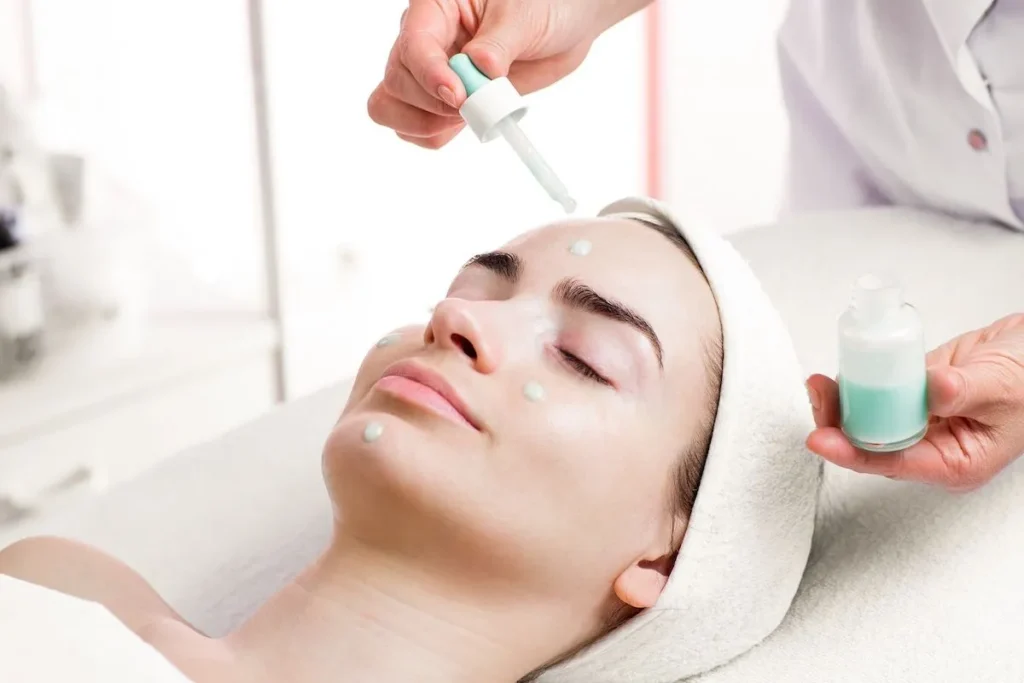
A good tretinoin routine can make your skin glow. It’s important to mix tretinoin with other skincare products, morning and night.
Morning Routine Essentials
In the morning, focus on protecting and hydrating your skin. Begin with a soft cleanser. Then, use a hydrating serum that works well with tretinoin. Finish with a broad-spectrum sunscreen with SPF 30 to shield your skin from the sun.
Gentle cleanser
Hydrating serum
Broad-spectrum sunscreen (SPF 30+)
Evening Tretinoin Application
At night, clean your skin and then apply tretinoin. Start with a small amount to avoid irritation. As your skin gets used to it, you can increase the dose. After tretinoin, use a reparative moisturizer to fix your skin’s barrier.
Cleanse your skin thoroughly
Apply tretinoin
Moisturize to restore the skin barrier
Best Serums to Pair with Tretinoin
Choosing the right serums with tretinoin can boost its effects. Look for serums with growth factors and hyaluronic acid. These help renew and hydrate your skin. Some top serums include those with:
Growth factors for skin renewal
Hyaluronic acid for intense hydration
Antioxidants to fight free radicals
Adding these to your routine can make tretinoin work better. You’ll see a big change in how your skin looks.
Conclusion
Using tretinoin regularly can greatly improve your skin. You’ll see better texture, fewer acne spots, and a more even tone. This is shown in many skincare routine before and after photos.
Adding tretinoin to your skincare can lead to amazing changes. You’ll see less acne, smoother skin, and smaller pores. These changes are clear in tret before and after pictures.
To get a glowing, healthy skin, be patient and stick with tretinoin. It may take weeks or months to see the full effects. But when you do, you’ll have a story of transformation.
With a good skincare routine that includes tretinoin, you can reveal your natural glow. You’ll feel more confident and radiant. You’ll see big improvements in your skin, like smaller pores and better texture.
FAQ
What is the best way to incorporate tretinoin into my skincare routine?
To add tretinoin to your routine, apply it at night. It makes your skin more sun-sensitive. Start with a small dose and increase it as your skin gets used to it. Use a gentle cleanser, moisturizer, and sunscreen with SPF 30 for the best results.
Can I use tretinoin with other skincare products?
Yes, you can mix tretinoin with other products. Choose items that work well with it. Serums with hyaluronic acid, vitamin C, or niacinamide are good. They help hydrate and soothe your skin while tretinoin works its magic.
How long does it take to see results from using tretinoin?
Results from tretinoin vary, but most see improvements in weeks to months. Be patient and keep using it regularly. It boosts cell turnover and collagen production, which takes time.
What are the common side effects of using tretinoin, and how can I minimize them?
Side effects include redness, irritation, and dryness. Start with a low dose and gradually increase. Use a gentle moisturizer to keep your skin hydrated. Avoid harsh products and don’t exfoliate too often to prevent irritation.
Can I use tretinoin during the day?
It’s best to use tretinoin at night because it makes your skin more sun-sensitive. But if you must use it during the day, apply a broad-spectrum sunscreen with at least SPF 30 to protect your skin from the sun.
How does tretinoin help with hyperpigmentation and pores?
Tretinoin helps with hyperpigmentation by speeding up cell turnover. This reduces dark spots and discoloration. It also unclogs pores, making them less noticeable and preventing future breakouts.
What is the best serum to use with tretinoin for hyperpigmentation?
For hyperpigmentation, pair tretinoin with a serum that has vitamin C, niacinamide, or licorice extract. These ingredients can brighten and even out your skin tone.
Can I use tretinoin on sensitive skin?
Yes, but start with a low dose and gradually increase it. Be gentle with your skin. Avoid harsh products and don’t exfoliate too often to prevent irritation.
References
National Center for Biotechnology Information. Evidence-Based Medical Insight. Retrieved from https://pmc.ncbi.nlm.nih.gov/articles/PMC6791161/