
Rosacea is a chronic skin condition that affects millions, mostly women aged 30 to 60 with fair skin. It causes persistent facial redness, visible blood vessels, and sometimes acne-like bumps.
New light-based technologies offer hope for managing rosacea. Red light therapy is a non-invasive, scientifically-backed treatment. It shows promising results in reducing redness and inflammation.
By using red and near-infrared light, this therapy penetrates the skin. It stimulates cellular processes, leading to visible reductions in facial redness and swelling in studies.
Key Takeaways
Red light therapy is a non-invasive treatment for rosacea.
It reduces facial redness and inflammation.
Clinical studies have shown promising results.
Red light therapy stimulates cellular processes.
It’s a scientifically-supported treatment option.
Understanding Rosacea and Light Therapy Fundamentals
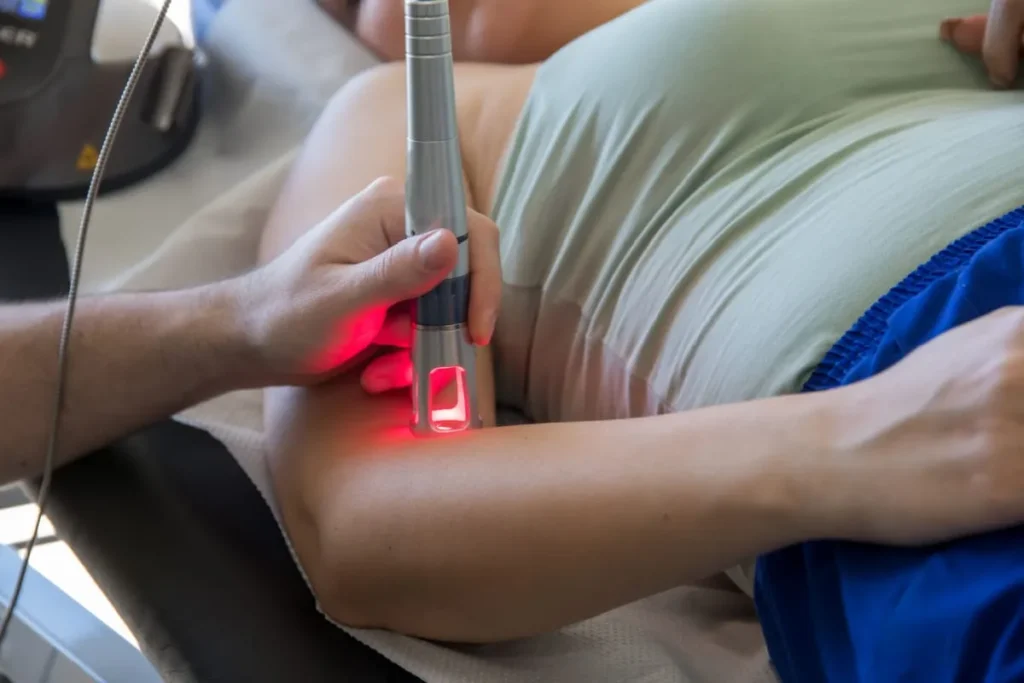
Rosacea is a chronic skin condition that affects millions worldwide. Its symptoms and treatments are often misunderstood. To understand how red light therapy can help, we need to know about rosacea and how light therapy works.
What is Rosacea and Who Does it Affect?
Rosacea is marked by visible blood vessels, redness, and sometimes acne-like symptoms. The exact cause is unknown, but genetics, immune system responses, and environmental triggers are key factors. It mainly affects adults between 30 and 50, with women more likely to have it than men.
How Red Light Penetrates Skin and Affects Inflammation
Red light therapy is known for reducing inflammation. It does this by modulating the immune system’s response, decreasing harmful molecules, and increasing beneficial ones. When red light reaches the skin, it boosts cellular processes. This can lead to less redness and inflammation in rosacea.
The red light’s effect on rosacea comes from its ability to boost collagen production and improve tissue oxygenation. This can make the skin look better and reduce visible blood vessels.
Different Types of Light Therapy for Skin Conditions
Red light therapy is popular for rosacea, but other light therapies are used for different skin issues. These include:
Blue Light Therapy: Targets acne-causing bacteria.
IPL (Intense Pulsed Light): Treats various skin problems, like pigmentation and hair removal.
LED Light Therapy: Uses different colors, including red, blue, and combinations, for various skin concerns.
Knowing about the different light therapies can help people choose the right treatment. For rosacea, red light therapy has shown to be effective in reducing symptoms and improving skin health.
Is Red Light Therapy Good for Rosacea? The Scientific Evidence
Red light therapy is gaining attention for treating rosacea. It’s a non-invasive method that could help reduce rosacea symptoms.
Clinical Studies and Research Findings
Many clinical trials have looked into red light therapy for rosacea. They found it can reduce facial redness and swelling. Some people also see fewer papules and pustules, showing a big improvement.
A study in the Journal of Clinical and Aesthetic Dermatology showed red light therapy helps rosacea. It’s thought to work because of its anti-inflammatory properties.
Effectiveness of Combined Red and Blue Light Therapy
Research also shows combining red and blue light therapy is effective. This mix reduces inflammation and fights bacteria that worsen rosacea. Blue light’s antimicrobial effects add to red light’s anti-inflammatory benefits.
Timeline for Results and Treatment Protocols
People start seeing improvements after a few weeks of treatment. It’s important to stick to a routine of 2-3 sessions a week. How fast you see results depends on your rosacea and how well you respond to the therapy.
Understanding the science behind red light therapy for rosacea helps make informed choices. It’s a promising option for managing rosacea symptoms effectively.
Red Light Therapy Options and Practical Considerations
The success of red light therapy for rosacea depends on the device and treatment plan. It’s important to know the differences between professional and home devices. This helps in making the right choice.
Professional vs. At-Home Treatment Devices
Professional treatments use stronger devices for quicker results. They are done in clinics or dermatologist offices. This ensures safe and correct treatment.
At-home devices are more convenient and cost-effective for long-term use. Many people see good results with them if they use them right.
Choosing between professional and home treatments depends on supervision and guidance. Professionals adjust treatments for your skin type. Home devices need careful following to avoid problems.
LED Masks vs. Traditional Light Treatments
LED masks are popular for at-home therapy because they are easy to use. They emit red light to reduce inflammation and heal. Traditional treatments are used in clinics and can be more expensive.
Medical Expert. MacLellan, a dermatologist at Luminance Vision, says, “LED masks are a good, affordable option for home therapy. But, make sure the mask has the right wavelength and intensity for rosacea.”
Safety Profile and Possible Side Effects
Red light therapy is safe when used right. But, there can be side effects like temporary redness or irritation. It’s key to follow the manufacturer’s guidelines to avoid overexposure.
To get the most from red light therapy for rosacea, know the options and their practical aspects. Understanding the differences between professional and home treatments helps make informed choices.
Conclusion: Is Red Light Therapy Worth Trying for Your Rosacea?
Red light therapy can be a good part of treating rosacea. It’s non-invasive and might help a lot. Many people say it makes their skin look better and feel less sensitive.
Adding red light therapy to your skincare can make your skin glow. It might also make rosacea symptoms look less severe. Even though everyone’s experience is different, many people find it helpful.
Thinking about trying red light therapy for rosacea? It’s all about knowing how it works and its benefits. By looking into the science and what others say, you can decide if it’s right for you.
FAQ
What is red light therapy and how does it work for rosacea?
Red light therapy is a non-invasive treatment. It uses low-level laser or light-emitting diodes to emit red light. This light penetrates the skin, reducing inflammation and promoting healing. It’s a promising solution for managing rosacea symptoms.
Is red light therapy effective for all types of rosacea?
Red light therapy shows promise for different rosacea subtypes. But, its effectiveness can vary. It’s important to talk to a dermatologist to find the best treatment for you.
How often should I use red light therapy for rosacea?
Treatment frequency can differ. Studies suggest using red light therapy several times a week. Some treatments need consistent use over weeks or months for best results.
Can I use red light therapy at home or do I need to visit a professional?
You can use it at home or get professional treatments. At-home LED masks and devices can be effective. But, professional treatments may offer more intense therapy. Always follow the manufacturer’s guidelines or get advice from a dermatologist.
Are there any side effects associated with red light therapy for rosacea?
Red light therapy is generally safe, with few side effects. Some people might experience temporary redness, itchiness, or dryness. Always follow the recommended treatment and consult a dermatologist if you have concerns.
Can I combine red light therapy with other rosacea treatments?
Yes, you can use red light therapy with other treatments. But, it’s important to talk to a dermatologist. This ensures the treatments work well together and avoids any bad interactions.
How long does it take to see results from red light therapy for rosacea?
Results can vary. Studies suggest noticeable improvements in a few weeks to months. Be patient and consistent, as results can differ.
Will red light therapy cure my rosacea?
Red light therapy can help manage rosacea symptoms. But, it’s not a cure. Rosacea is a chronic condition that needs ongoing management. Red light therapy can be a valuable addition to your treatment routine, helping to reduce symptoms and improve skin health.
Is red light therapy suitable for sensitive skin?
Red light therapy is generally gentle for sensitive skin. Start with a low intensity and gradually increase as needed. Always follow the manufacturer’s guidelines or get advice from a dermatologist.
Can I use red light therapy on other skin concerns beside rosacea?
Yes, red light therapy can help with fine lines, wrinkles, and acne. Its anti-inflammatory and collagen-stimulating properties make it versatile for overall skin health.
References
National Center for Biotechnology Information. Evidence-Based Medical Insight. Retrieved from https://pmc.ncbi.nlm.nih.gov/articles/PMC6988247/