
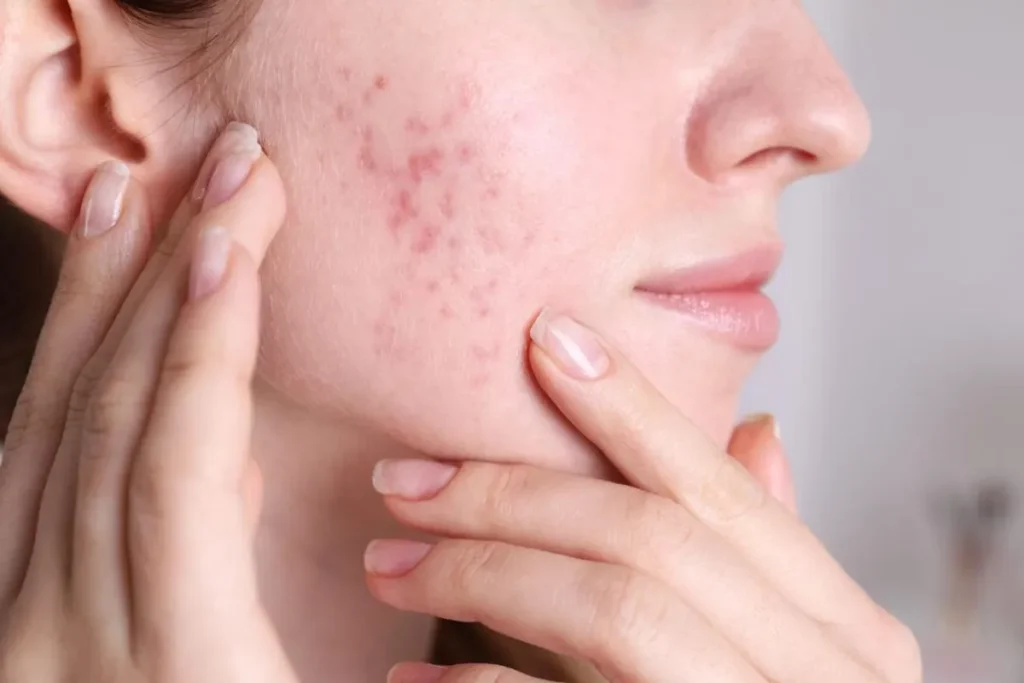
A red scar can be concerning, but knowing why it’s red and how long it will stay that way is key. Scar redness happens as the body heals, with tiny blood vessels forming in the scar tissue.
Usually, scars stay red for about seven months. But, this time can change based on the wound type and where it is on your body. Deeper wounds take longer to lose their red color than shallower ones.
As healing goes on, the redness will start to fade. The scar will become less visible. Knowing the healing stages can offer comfort and help set realistic expectations.
Key Takeaways
Scar redness is a normal part of the healing process.
The average duration of redness is around seven months.
The type and location of the wound can affect the duration of redness.
Deeper wounds take longer to fade than superficial ones.
Understanding the stages of healing can help manage expectations.
Why Is My Scar Red? Understanding Scar Redness

Scars turn red because of how our bodies heal. When we get a wound, our body starts a healing process. This process involves many steps to fix the damaged tissue.
The Biology Behind Red Scars
Scar redness comes from tiny blood vessels in the scar tissue. These vessels, called capillaries, bring oxygen and nutrients to the healing area. The healing process brings more blood flow, making scars look red.
Other things can make scars look different too. Sun, infections, and allergies can change the color. It’s normal for scars to be a bit red while they heal. But, it’s important to know when it’s not normal.
Normal Signs of Healing vs. Concerning Symptoms
Some redness is okay, but too much or lasting redness might mean trouble. For example, if the redness gets worse, hurts more, swells, or has discharge, it could be an infection. Knowing the difference helps us take care of our wounds and scars better.
For more info on scar discoloration, check out Understanding Scar Discoloration. This site has great tips on managing and understanding scar appearance.
How Long Do Scars Stay Red?
Knowing how long scars stay red can ease worries about their look. On average, a scar’s redness fades in 3 months to 1 year. But, deeper or bigger scars might stay red for up to 18 months.
Average Timeline for Scar Redness
Scars turn red as they heal. They go through stages like inflammation, proliferation, and remodeling. The redness peaks during the inflammation stage, lasting weeks to months.
As the scar moves to the proliferation stage, it starts to form new tissue. The redness then begins to fade. The remodeling stage, lasting years, sees the scar mature and the redness lessen. How long this takes varies based on skin type, age, and wound size and depth.
Healing Stages and What to Expect
The healing of a scar is complex, with several stages. Here’s what to expect in each:
Inflammation Stage: The scar is red, swollen, and sensitive. This stage usually lasts a few weeks.
Proliferation Stage: The scar starts to form new tissue, and the redness begins to fade. This can last several months.
Remodeling Stage: The scar continues to mature, and the redness gradually diminishes. This stage can last for years.
A dermatology expert notes, “The healing process is not just about the initial closure of the wound but also about the long-term changes that occur in the scar tissue.”
– Dermatology Expert
Incisional vs. Excisional Scars
The type of scar affects how long it stays red. Incisional scars, from surgical cuts, are smaller and less red over time. Excisional scars, from removing skin lesions, are larger and more red.
Knowing these differences helps manage expectations about scar appearance. By understanding the average timeline for scar redness and what influences it, individuals can better care for their scars.
Factors Affecting Scar Redness and Duration
Many things can change how scars look and how long they last. Each person’s healing is different. These factors can greatly affect a scar’s redness and how visible it is.
Wound Type and Body Location
The kind of wound and where it is on the body matter a lot. Incisional scars, from cuts, are usually straight and heal differently than excisional scars, from skin removal. Scars in tight spots, like shoulders or joints, might be wider or more noticeable.
Also, where a scar is can make it more noticeable. Scars on the face or hands are often more of a concern. The skin’s tension and movement in these spots can affect healing.
Age and Skin Tone Considerations
Age is a big factor in how scars heal. Young people heal faster but might have more noticeable scars. Older skin regenerates slower and produces less collagen, making scars look different.
Skin color also matters. Fair skin might show redness more, while darker skin is more likely to get hypertrophic scars or keloids. Knowing this helps manage expectations and choose the right treatments.
Hypertrophic Scars and Keloids
Hypertrophic scars and keloids grow too much collagen. They stay red longer and can be hard to treat. Hypertrophic scars are raised and can itch or hurt, while keloids grow beyond the wound.
Knowing what affects scar redness and duration helps manage scars better. By looking at wound type, location, age, skin color, and the risk of hypertrophic scars or keloids, you can improve your healing process.
Conclusion
Scar redness is a normal part of healing. Knowing why it happens and how long it lasts helps manage expectations. Keeping the wound moist and protected from the sun aids in healing and reduces red scars.
There are many treatments and products to lessen scar redness. These include moisturizers, sun protection, and dietary supplements. Talking to a healthcare professional can offer personalized advice on managing scar redness.
By focusing on scar care, you can get the best results for your skin. Start a skincare routine that makes your skin glow. This way, you can forget about the worry of why your scar is red.
FAQ
Why is my scar red?
Scar redness is a normal part of healing. It comes from tiny blood vessels in the scar tissue. The body’s response to a wound brings more blood, making the scar red.
How long do scars stay red?
Scars usually stay red for about seven months. But, this time can change based on the wound type and where it is. Deeper wounds take longer to fade than shallower ones.
What factors influence the redness and duration of scars?
Many things can affect scar redness and how long it lasts. These include the wound type and location, age, skin tone, and if the scar is hypertrophic or a keloid. Some body parts are more likely to show scars, and younger people and those with fair skin may see more redness.
What is the difference between incisional and excisional scars?
Incisional scars are smaller and fade faster than excisional scars. Excisional scars are bigger and take longer to fade. Knowing this can help you understand how your scar might look over time.
How can I promote optimal healing and reduce the appearance of scar redness?
Keeping the wound moist and protected from the sun helps it heal well and reduces redness. There are many treatments and products to help with scar redness. Talking to a healthcare professional can give you advice tailored to your needs.
When should I be concerned about my scar redness?
Some redness is normal, but too much or lasting redness might be a sign of a problem. It’s important to know the difference between healing signs and symptoms that need medical help.
Can I do anything to manage my scar redness?
Yes, knowing why and for how long scars are red can help you manage it. By taking a full approach to scar care, you can get the best results for your skin.
References
National Center for Biotechnology Information. Evidence-Based Medical Insight. Retrieved from https://pubmed.ncbi.nlm.nih.gov/23672539/

