
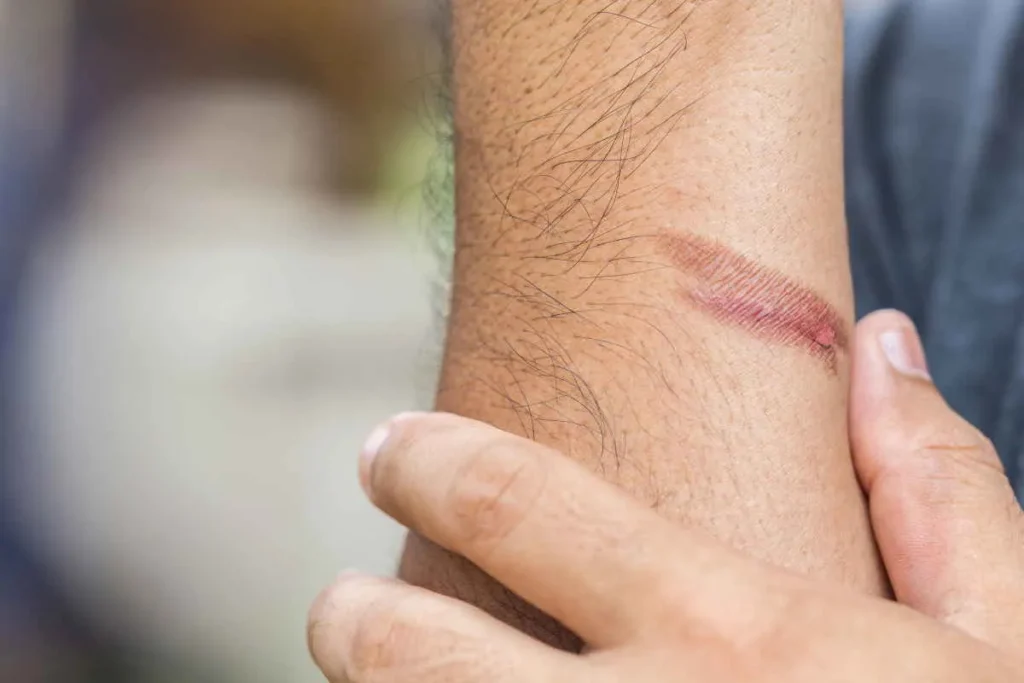
Seeing your scar has turned purple might worry you. But, this color change is often part of healing. At Liv Hospital, we aim to give you reliable info and care that focuses on you.
A purple scar shows it’s in the early healing stages, known as the inflammatory phase. As your body heals, the scar’s color might change. It’s common for it to look reddish-purple because of more blood flow. For more on scar discoloration, check out SPRSI’s blog on the topic.
Key Takeaways
A purple scar is usually a sign of the inflammatory phase in the healing process.
The color change is often due to increased blood flow to the area.
Scars can affect your self-esteem and body image.
Understanding the healing process can help alleviate concerns about scar discoloration.
Seeking professional help is advisable if discoloration concerns your appearance or self-esteem.
Understanding Why a Scar Turning Purple Happens
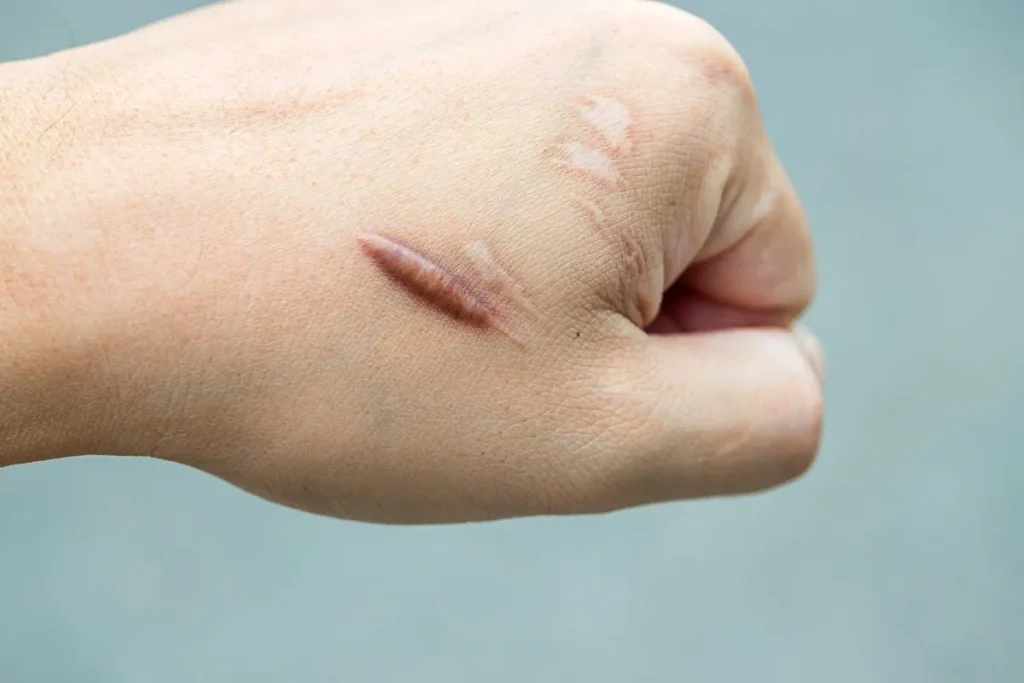
Scar color changes, like turning purple, involve many body changes. Healing a wound goes through several stages, each with its own traits.
The Inflammatory Phase of Wound Healing
The body sends more blood to the wound to help it heal. This brings vital nutrients and oxygen. It’s key for fixing the tissue.
The scar looks red or purple because of this extra blood. New blood vessels grow, thanks to angiogenesis. This is a sign of the healing process and the scar’s color.
Increased blood flow to the affected area
Delivery of essential nutrients and oxygen
Development of new blood vessels through angiogenesis
Blood Flow and Angiogenesis in Scar Formation
Blood flow and angiogenesis are vital in scar formation. The body needs oxygen and nutrients to fix the skin. More blood and new vessels help with this.
Healthy skin glows because it gets oxygen and nutrients well. Scar healing works the same way. It’s a journey to better skin.
Knowing about blood flow and angiogenesis helps us understand scar healing. It lets us see the healing process as a journey to better skin.
The Normal Progression of Scar Colors
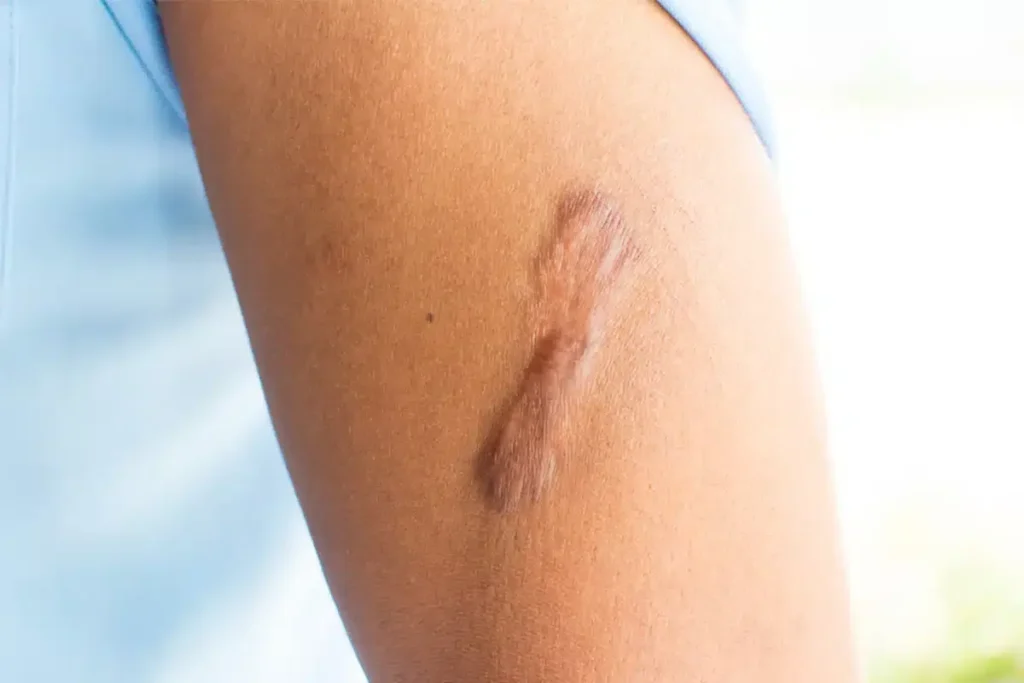
As your skin heals, the scar color changes. It usually goes from deep red or purple to a color that matches your skin. This change is part of healing and knowing what to expect can boost your confidence.
Initial Red to Purple Phase
The scar starts off red or reddish-purple. This is because of the blood flow and new blood vessels forming. The inflammatory phase of healing shows this redness. Remember, this phase is normal and the color will fade over time.
Transition to Pink and Eventual Fading
The scar’s color changes as it heals. It goes from red or purple to pink. This happens as the blood vessels decrease and the scar tissue matures. The pink color shows the scar is healing well. Eventually, the pink fades, leaving a less noticeable scar. Often, the scar turns light, silvery, or matches the skin around it.
Typical Timeline for Scar Color Changes
The time it takes for scar colors to change varies. But most people see the red or purple fade in 6 to 12 months after injury. By the first year’s end, most scars have lightened a lot. But some scars may take longer to fully heal. Skin type, injury severity, and sun exposure can affect the scar’s look and healing time.
Scars are as unique as fingerprints. The healing and final look of a scar can be influenced by genetics and skin care. Understanding scar color changes and what affects them can help you appreciate your skin’s healing journey. It can also make you feel more confident in your skin’s appearance.
Factors That Affect Scar Appearance and Discoloration
Many things can change how a scar looks, from genes to the environment. Knowing what affects scars is key to managing their look and any color changes.
Genetic Factors and Skin Type Differences
Genes greatly influence scar formation and look. If your family tends to get keloid or hypertrophic scars, you might too. Skin type differences also matter a lot. People with darker skin have more melanin, which can lead to darker scars or spots.
For example, those with Fitzpatrick skin types III-VI are more likely to get post-inflammatory hyperpigmentation (PIH). This is when the skin darkens after inflammation or injury.
Post-Inflammatory Hyperpigmentation
Post-inflammatory hyperpigmentation (PIH) happens after skin gets inflamed or injured, causing dark spots. It’s harder to deal with in darker skin tones because of more melanin.
Knowing about PIH helps manage expectations and prevent it. Learn more about how scar size and color can impact your.
Impact of Sun Exposure on Scar Color
Sunlight can also change scar color. UV rays can make scars darker by increasing melanin. Using high SPF sunscreen or wearing clothes to cover scars is important to stop color changes.
Severity and Location of the Original Injury
The severity and where the injury happened also affect scar look and color. Bigger injuries lead to more noticeable scars. The injury’s location can also change the scar type, with chest and back more likely to get keloids.
When to Seek Medical Attention for a Purple Scar
Seeing a purple scar can worry you. It’s important to know when to see a doctor. A purple scar can happen for many reasons, like healing. Knowing when it’s a problem is key.
Warning Signs of Abnormal Healing
Some color changes are normal when healing. But, some signs mean healing is not right. If your scar is purple and has other symptoms, see a doctor. These symptoms include:
Increased pain or tenderness around the scar
Swelling or redness that worsens over time
Pus or discharge from the scar
A foul odor from the scar area
The scar is hot to the touch
If you see these signs, get medical help. Medical Expert & Reconstructive Surgical Institute can help. They use the latest methods to treat scars and any healing problems.
Treatment Options for Persistent Purple Scars
For purple scars that worry you, there are treatment options. These can be from creams to surgery, based on the scar’s cause and how bad it is.
Topical treatments might include creams or gels to help heal and reduce inflammation. Laser therapy can also be used to make the scar less noticeable. For serious cases, surgery might be needed to change or remove the scar tissue.
Seeing a healthcare expert or a specialist like those at Southern Plastic & Reconstructive Surgical Institute is a good idea. They can check your scar and suggest the best treatment. This will depend on your skin, the scar, and your health.
Conclusion
Figuring out why a scar turns purple can be tricky, but knowing the basics helps. The healing process and blood flow are key in changing scar colors.
A purple scar is usually a normal part of healing. But sometimes, it might mean you need to see a doctor. Things like your genes, skin type, and sun exposure can change how scars look.
Scars often fade with time, but some might need a doctor’s check-up. If you’re worried about a purple scar, watch it closely. Get medical help if it looks like it’s not healing right.
Knowing what affects scar color can help you heal better and make scars less noticeable. Whether it’s a purple scar or other skin issues, loving your skin is the best way to keep it looking great.
FAQ
Why is my scar turning purple?
A purple scar is a sign of the healing process. It’s a normal part of getting better. As it heals, the purple color will fade away.
What causes a scar to turn purple overnight?
A scar turning purple overnight is due to more blood flow. This is a natural response to injury. The extra blood flow makes the scar look red or purple.
How long does it take for a purple scar to fade?
The time it takes for a purple scar to fade varies. It depends on the injury’s severity and your skin type. Scars usually turn from purple to pink and then fade in a year or more.
Can genetic factors affect the appearance of my scar?
Yes, your genes can influence your scar’s healing and look. Some people are more likely to get keloid or hypertrophic scarring due to their genes.
How can I prevent my scar from becoming discolored?
To prevent discoloration, protect your scar from the sun. Use silicone gel or sheeting. Also, gently massage the area to promote healing.
When should I seek medical attention for a purple scar?
If your scar shows signs of abnormal healing, like more redness or swelling, seek medical help. Also, if it’s not fading as expected, get professional advice.
Are there any treatment options available for persistent purple scars?
Yes, treatments like laser therapy, corticosteroid injections, and surgical revision are available. Talk to a dermatologist to find the best treatment for your scar.
Can post-inflammatory hyperpigmentation affect my scar?
Yes, post-inflammatory hyperpigmentation (PIH) can cause discoloration, including around scars. PIH is triggered by inflammation, injury, or certain skin conditions.
How does sun exposure impact scar color?
Sun exposure can darken or discolor scars. UV rays stimulate melanin production, leading to hyperpigmentation.





