
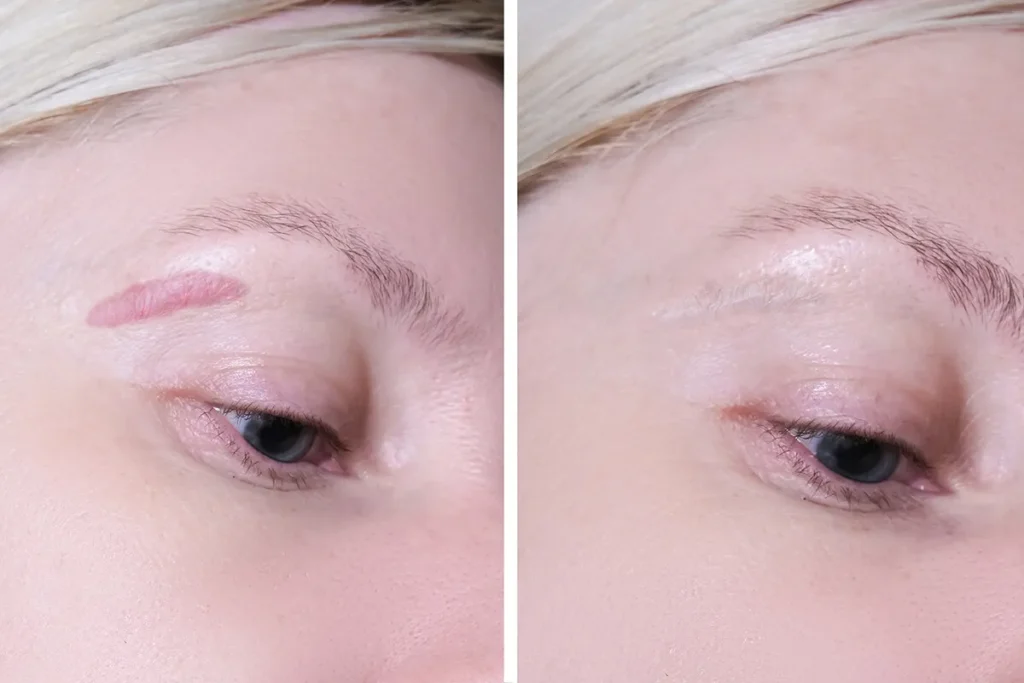
Hypertrophic scars are a common worry for many. They often appear after injuries like burns or surgery. These scars are raised and discolored, lasting reminders of trauma. They affect people all over the world, mostly those between 10 to 30 years old.
The good news is that early treatment can greatly improve most scars. At GoldCity Center, we focus on you with our patient-centered approach. We use the latest dermatological techniques and create care plans just for you. This way, you can get the best results in improving your skin’s look.
By learning about hypertrophic scars and the treatments available, you can start your journey to better skin. It’s all about taking the first step towards your skin’s natural beauty.
Key Takeaways
Hypertrophic scars are raised, discolored areas that appear after skin injury.
Early treatment can significantly improve the appearance of scars.
GoldCity Center offers personalized care plans for scar treatment.
Combining natural healing with medical treatments yields the best results.
Understanding scar characteristics is key to effective treatment.
Understanding Hypertrophic Scars
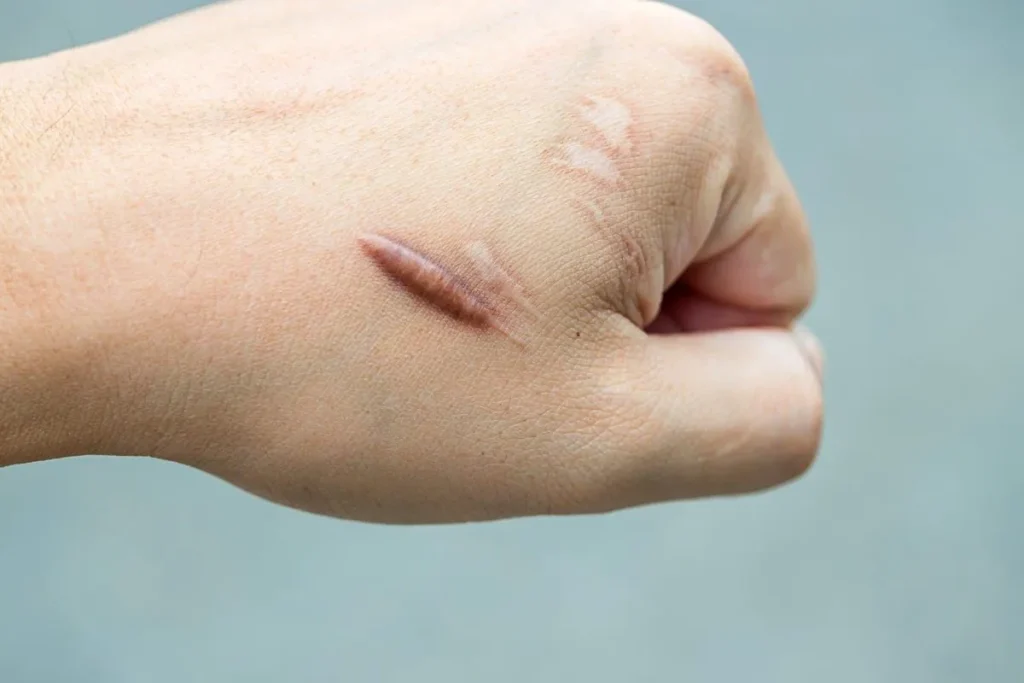
Hypertrophic scars happen when the body heals too quickly. They look raised, thick, and shiny. Hypertrophic scars are caused by too much collagen during healing.
What Are Hypertrophic Scars and Who Gets Them?
Younger people and those with darker skin are more likely to get hypertrophic scars. This is because their bodies make too much collagen when healing.
How They Differ from Normal Scars
Hypertrophic scars don’t fade like normal scars do. They stay raised and can be itchy or painful. They look and feel different from normal scars.
Identifying Characteristics: Raised, Thick, and Shiny Scars
Hypertrophic scars are raised, thick, and shiny. They can also be itchy or painful.
Do Hypertrophic Scars Go Away?
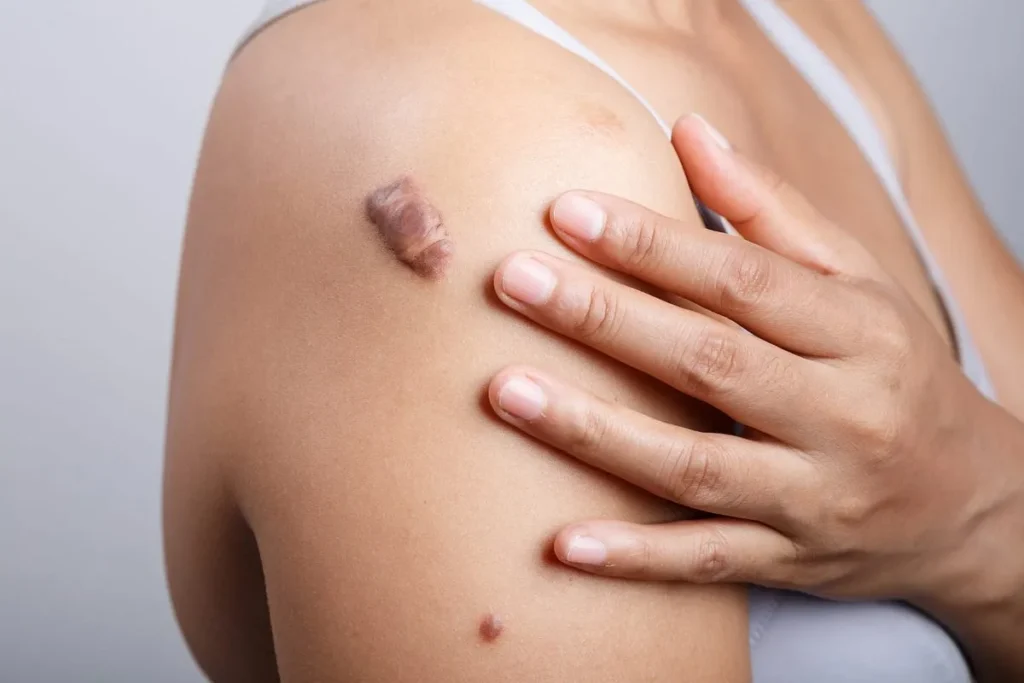
Hypertrophic scars can be a worry for many. They look raised and thick. To see if they can fade, we need to look at how they heal and the effects of treatments.
Natural Healing Process
The healing of hypertrophic scars is complex and varies from person to person. At first, they might look red, raised, and shiny. But, as the body heals, they can soften and flatten.
Several factors affect how scars heal:
The size and depth of the wound
Genetic tendencies to scarring
The body’s collagen production and control
Hypertrophic Scar Healing Stages
The healing of hypertrophic scars goes through several stages:
Inflammation: The body’s first response to injury.
Proliferation: The scar starts to form and might get raised.
Remodeling: The final stage where the scar matures and can fade.
During these stages, treatments can help improve the scar’s appearance and healing.
Will Hypertrophic Scars Fade Completely?
Hypertrophic scars can get better over time, but how much they fade varies. Research shows that treatments like corticosteroid injections can help a lot of people see big improvements.
In conclusion, while hypertrophic scars might seem permanent, there’s hope for improvement. Understanding the healing process and using effective treatments can help people feel more confident and radiant.
Treatment Options and Success Rates
Hypertrophic scars are shiny and can be hard to handle. But, there are many ways to make them look better. If you have a shiny scar on your face or a puffy one, knowing your options is key.
Success rates differ, but some treatments work well. For example, silicone gel sheets have been shown to be very effective. Healogics research found they can make scars smaller, less red, and softer. Other methods include corticosteroid shots, freezing treatments, and laser therapy, all of which can help.
It’s a common question: can scars ever go away? While they might not vanish completely, these treatments can make them much less noticeable. By trying these options, you can manage your scars and get skin that looks healthy and radiant. Start your journey to glowing skin and embrace your beauty.
FAQ
Does hypertrophic scars go away?
Hypertrophic scars can fade over time. But, how much they fade depends on several factors. These include the scar’s severity, your skin type, and the treatment you use. With the right care and treatment, you can make your skin smoother and more radiant.
Will hypertrophic scars fade?
Yes, hypertrophic scars can fade. But, how fast they fade varies from person to person. Some scars may fade a lot, while others might stay more noticeable. Using advanced skincare and beauty tech can help them fade faster.
Is hypertrophic scar normal?
Hypertrophic scars are a common type of scarring. They can happen after injuries or surgeries. They’re not typical, but they’re common. Knowing about hypertrophic scars can help you deal with them.
Can hypertrophic scars be treated?
Yes, hypertrophic scars can be treated. There are many methods, from creams to surgery. The best treatment depends on your case. A dermatologist or skincare expert can help find the right one for you.
Will a hypertrophic scar go away on its own?
Some hypertrophic scars may fade by themselves. But, this can take months or years. Treatment can make them fade faster and more noticeably. Proven treatments can help you glow and feel confident in your beauty.
Do scars ever go away completely?
While scars may fade a lot, they usually don’t disappear completely. But, with the right treatment and skincare, you can make them less noticeable. You can achieve smoother, more radiant skin with the right approach.
What are the stages of hypertrophic scar healing?
Hypertrophic scar healing goes through several stages. These include inflammation, proliferation, and remodeling. Knowing these stages can help you navigate the healing process better and get the best results.
Why are my scars shiny?
Hypertrophic scars can look shiny because of collagen buildup. This is a common trait of these scars. There are treatments available to help make them less noticeable.
References
National Center for Biotechnology Information. Evidence-Based Medical Insight. Retrieved from https://pmc.ncbi.nlm.nih.gov/articles/PMC7539946/





