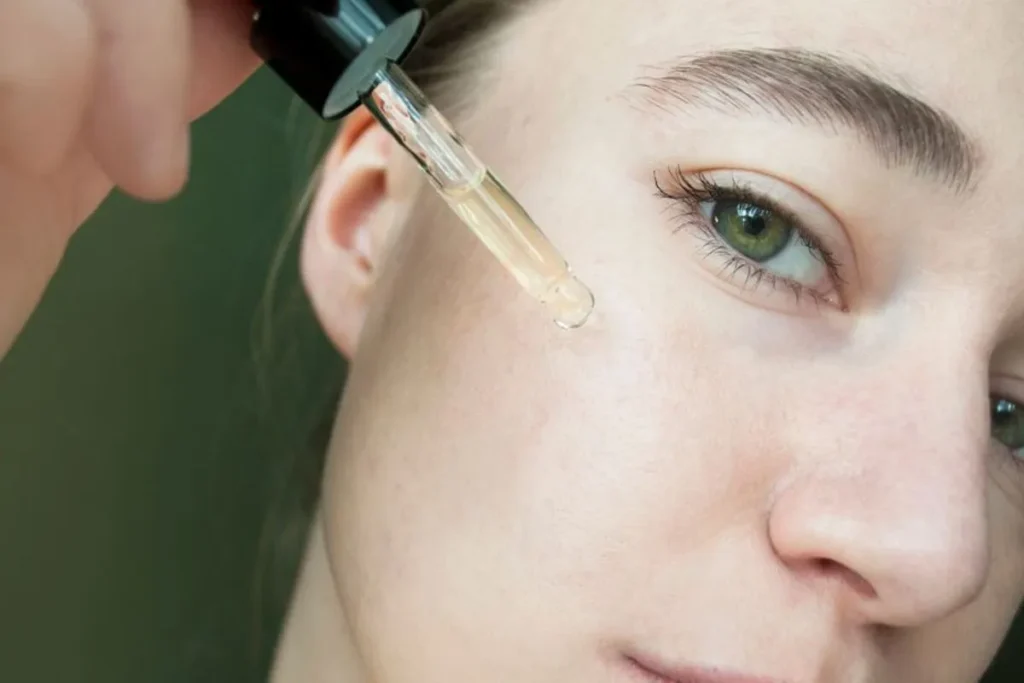
Tea tree oil comes from the Melaleuca alternifolia tree, found in Australia. It’s known for its uses in wound care and preventing scars. Its ability to fight bacteria and reduce swelling might help prevent scars from forming.
At GoldCity Center, we focus on giving patients the facts about treatments. We’re looking into how tea tree oil can help with scars. It’s important to know how its compounds work and their effect on healing.
Key Takeaways
Tea tree oil’s antimicrobial properties may aid in preventing infection during wound healing.
Its anti-inflammatory properties could potentially reduce the appearance of scars.
The effectiveness of tea tree oil for existing scars and keloids is not fully understood.
Tea tree oil may be beneficial when applied to fresh wounds during the critical healing phase.
More research is needed to fully understand the role of tea tree oil in scar management.
Understanding Tea Tree Oil and Its Therapeutic Properties
Tea tree oil is a key player in the quest for healthy, glowing skin. It comes from the Melaleuca alternifolia plant and has been used for centuries. Its healing properties are well-known.
What is Tea Tree Oil?
Also known as melaleuca oil, tea tree oil comes from the Melaleuca alternifolia plant, native to Australia. It’s made through steam distillation, keeping its powerful compounds intact. Rich in terpinen-4-ol, it’s known for fighting bacteria and reducing inflammation, making it great for skin care.
The Science Behind Tea Tree Oil’s Compounds
Tea tree oil’s benefits come from its compounds, with terpinen-4-ol being key. This compound fights off bacteria, fungi, and viruses. It also reduces redness and swelling, helping with acne and scars.
Traditional and Modern Uses for Skin Conditions
Indigenous Australians have used tea tree oil for its healing powers for ages. Today, it’s a key ingredient in skincare products. It helps with acne and scars, making it a must-have for any skincare routine.
Tea tree oil is natural and doesn’t irritate the skin. It’s good for all skin types, helping it look healthy and radiant. By using tea tree oil, you can improve your skincare routine and get the skin you want.
Can Tea Tree Oil Help Scars? Examining the Evidence
Tea tree oil is known for its healing properties. It’s often talked about in the world of scar management and wound healing. To see if tea tree oil can help with scars, we need to look at the science and evidence.
Tea Tree Oil’s Effect on Fresh Wounds and Healing
Studies show that tea tree oil might help in the early stages of wound healing. Its ability to fight off bacteria can prevent infections in new wounds. This could help avoid scarring. The anti-inflammatory properties of tea tree oil also help by reducing redness and swelling.
A study in a well-known dermatology journal found that using tea tree oil on wounds reduced bacteria and inflammation. This makes the healing process better.
Understanding Keloid Formation and Risk Factors
Keloids are raised scars that can grow bigger than the original wound. They are a big concern for many people. Knowing what increases the risk of keloids is important for using tea tree oil.
Scientific Research on Tea Tree Oil for Existing Scars
The evidence for using tea tree oil to prevent scars is promising. But, its effect on existing scars is not as clear. Some studies suggest it might help reduce the look of scars, but more research is needed.
Prevention vs. Treatment: Where Tea Tree Oil May Help
It’s important to know the difference between preventing and treating scars with tea tree oil. It might help prevent scars by promoting healthy healing. But, its effect on existing scars needs more study.
Understanding the benefits and limits of tea tree oil for scars helps people make smart choices. It’s about getting healthy, glowing skin.
Conclusion: Realistic Expectations for Tea Tree Oil in Scar Management
Tea tree oil has a complex role in scar management. It might not work well for treating scars or keloids that already exist. But, it can help prevent scars from forming in the early stages of healing.
To get the best results, using tea tree oil with other proven treatments is key. For example, proper wound care and treatments like silicone can make scars less noticeable. Knowing what tea tree oil can and cannot do helps set realistic goals for scar prevention.
Tea tree oil can be part of a broader skincare plan. Its antimicrobial properties can stop infections and aid in healing. Even though it won’t remove keloids, it’s a good addition to a skincare routine aiming for glowing, youthful skin.
The best way to manage scars is with a mix of treatments and strategies. By taking a holistic approach and being realistic, you can make your skin look its best. This leads to a more confident and radiant you.
FAQ
Does tea tree oil help reduce the appearance of keloid scars?
Tea tree oil might help prevent keloid scars from forming. This is because it has antimicrobial and anti-inflammatory properties. But, its effect on existing keloid scars is not well understood.
Can tea tree oil be used to prevent scarring after a wound?
Yes, tea tree oil could help wounds heal better. This might reduce scar formation when applied to fresh wounds.
Is tea tree oil effective in treating existing scars?
Tea tree oil is more useful in preventing scars than treating them. It’s best used as part of a full skincare routine for existing scars.
How does tea tree oil impact the healing process of wounds?
Tea tree oil’s antimicrobial and anti-inflammatory effects help wounds heal. It reduces infection risk and supports tissue repair.
Can melaleuca oil (tea tree oil) help with scar management?
Melaleuca oil, or tea tree oil, may aid in scar management. It prevents infection and promotes healing. But, its success depends on your skin type and condition.
Is tea tree oil good for scars and keloids?
Tea tree oil might prevent keloid scars and aid in wound healing. But, its success in treating existing scars and keloids is uncertain. It can vary based on individual situations.
How can I use tea tree oil for scar prevention?
To prevent scars, apply diluted tea tree oil to the area after a wound. Use it as part of a complete skincare routine.
What are the benefits of using tea tree oil for skin conditions?
Tea tree oil is good for the skin due to its antimicrobial and anti-inflammatory properties. It helps with acne, minor cuts, and scrapes. It promotes a healthy skin environment.
References
National Center for Biotechnology Information. Evidence-Based Medical Insight. Retrieved from https://pubmed.ncbi.nlm.nih.gov/22053907/