

Cortisone shots are a common treatment for knee pain and arthritis. They work by lowering inflammation in the joint.
Corticosteroids fight inflammation, which is the heat, redness, pain, and swelling in injured or inflamed areas. They help ease pain and swelling, giving quick relief from knee pain.It’s important to know how often you can get these shots safely. This helps you get the most out of them without harming your joint. At GoldCity Center, we focus on you with treatments based on the latest science and tailored to your needs.
Key Takeaways
Cortisone shots reduce inflammation and ease knee pain.
Corticosteroids provide quick relief from pain and swelling.
Personalized treatment plans ensure safe and effective care.
GoldCity Center’s patient-centered approach guides knee injection treatments.
Understanding the frequency of cortisone shots is key for joint health.
Understanding Cortisone Injections for the Knee
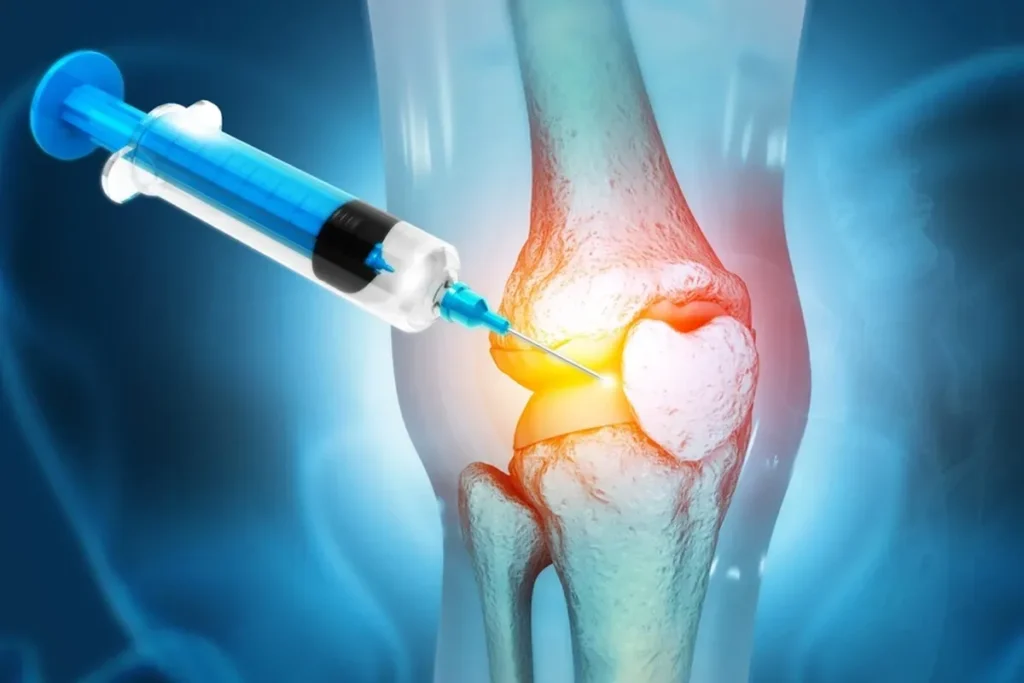
Knee pain can really affect your life. It makes simple tasks hard. Cortisone injections might help by targeting the pain source.
What Are Cortisone Injections?
Cortisone injections are a steroid injection for knee pain. They use steroids like methylprednisolone acetate. These steroids reduce inflammation, giving relief that starts in days and lasts weeks.
Cortisone is a natural steroid that fights inflammation. It’s the body’s way to react to injury or disease. But, chronic inflammation can cause ongoing pain and discomfort.
How These Injections Work to Reduce Inflammation
Cortisone injections put anti-inflammatory medicine right into the knee. This targeted approach reduces side effects. It’s a good choice for knee pain.
These injections can make your joint move better and hurt less. This lets you do more physical activities. How long the relief lasts depends on your condition and the medicine used.
Recommended Frequency and Guidelines

When thinking about cortisone injections for knee pain, knowing the right frequency is key. These shots can help with pain, but using them too often can cause problems. It’s important to use them safely and effectively.
Medical Guidelines for Injection Frequency
Doctors say you should not get cortisone shots more than every three months. This rule helps avoid bad side effects. Most doctors also limit shots to three or four a year for safety.
Following these rules is very important. Too many shots can harm your cartilage and bones. Waiting three months lets your joint heal and lowers the risk of damage.
Why the Three-Month Interval Matters
The three-month wait between shots is important. It lets your joint heal and keeps it safe from long-term harm. This time is key for keeping your cartilage and bones healthy.
Studies have shown that too many shots can hurt your joint. Spacing out the shots helps avoid these risks while keeping the pain relief benefits.
Maximum Number of Injections Per Year
Doctors usually advise against more than three shots in one joint a year. And no more than six shots total. Going over these limits can lead to serious problems, so it’s important to keep track of how many you get.
By sticking to these guidelines and knowing the risks, patients can make smart choices about their treatment. Working with your doctor is the best way to get the most out of these injections.
Effectiveness and Important Considerations
Cortisone injections can quickly ease knee pain caused by osteoarthritis or inflammation. These injections help reduce swelling, making it easier to move and feel comfortable.
Even though knee pain shots can work well, they have their limits. Getting a shot in the knee might help for a while, but it won’t last forever. Also, these injections don’t fix damaged cartilage or stop arthritis from getting worse.
People thinking about knee injections for arthritis should know the good and bad sides. Understanding how cortisone injections help with knee pain can guide treatment choices. By looking at the pros and cons, patients can decide if a knee shot is right for them.
FAQ
What are cortisone injections used for in the knee?
Cortisone injections help with knee pain and swelling. They are used for conditions like osteoarthritis, tendinitis, and bursitis. The medication in them reduces swelling and pain.
How often can you have cortisone shots in your knee?
You can get cortisone shots every three to four months. But, you should not have more than three to four shots a year. This helps avoid damage to cartilage and bones.
What medications are used in cortisone injections for knee pain?
Methylprednisolone acetate and triamcinolone are common medications in these injections. They help reduce knee joint inflammation and swelling.
Are cortisone injections effective for knee pain relief?
Yes, cortisone injections can quickly relieve knee pain and swelling. But, they might not solve the problem long-term. They work differently for everyone.
Can cortisone injections repair damaged cartilage in the knee?
No, cortisone injections do not fix damaged cartilage or stop arthritis from getting worse. They mainly help manage symptoms and ease pain.
What are the possible risks of overusing cortisone injections in the knee?
Using too many cortisone injections can harm cartilage and weaken bones. It’s important to follow guidelines and talk to a doctor to find the right treatment.
How long does it take to see the effects of a cortisone injection in the knee?
You might feel relief from a cortisone injection in a few days. The best effects usually happen in one to two weeks. Relief can last weeks or months.
Can I get cortisone injections for knee pain if I have osteoarthritis?
Yes, cortisone injections can help with knee pain from osteoarthritis. But, it’s important to talk to a doctor about the benefits and risks. They can help decide the best treatment for you.
Are there alternative treatments to cortisone injections for knee pain?
Yes, there are other ways to treat knee pain. Options include physical therapy, medication, and lifestyle changes. You can also try other injections like hyaluronic acid or PRP therapy. A doctor can help choose the best option for you.
References
JAMA Network. Evidence-Based Medical Insight. Retrieved from https://jamanetwork.com/journals/jama/fullarticle/2460375