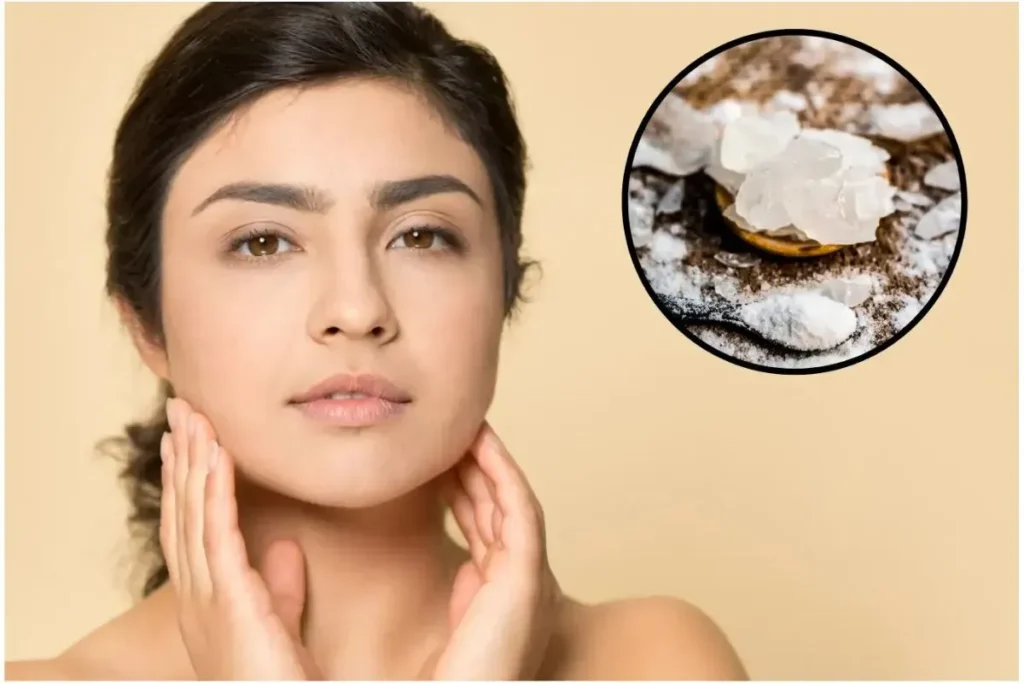
Coconut oil is getting a lot of attention as a natural way to fix scars. Many people think it can make scars less noticeable. Studies show that coconut oil has fatty acids, antioxidants, and vitamin E. These help keep the skin moist, fight off germs, and reduce swelling, which can aid in healing.
Using coconut oil might make your skin look better and feel softer. It can help keep dry skin moist and support wound healing. But, the science on how well it works for scars is just starting to come in. At GoldCity Center, we focus on what the science says to help you choose the best scar treatment.
Key Takeaways
Coconut oil contains fatty acids and antioxidants that may support skin health.
Moisturizing properties of coconut oil can help hydrate dry skin.
Coconut oil’s antimicrobial properties may promote wound healing.
Research on coconut oil’s effectiveness for scars is just starting.
GoldCity Center’s approach focuses on evidence-based scar treatment recommendations.
The Science Behind Coconut Oil and Skin Health
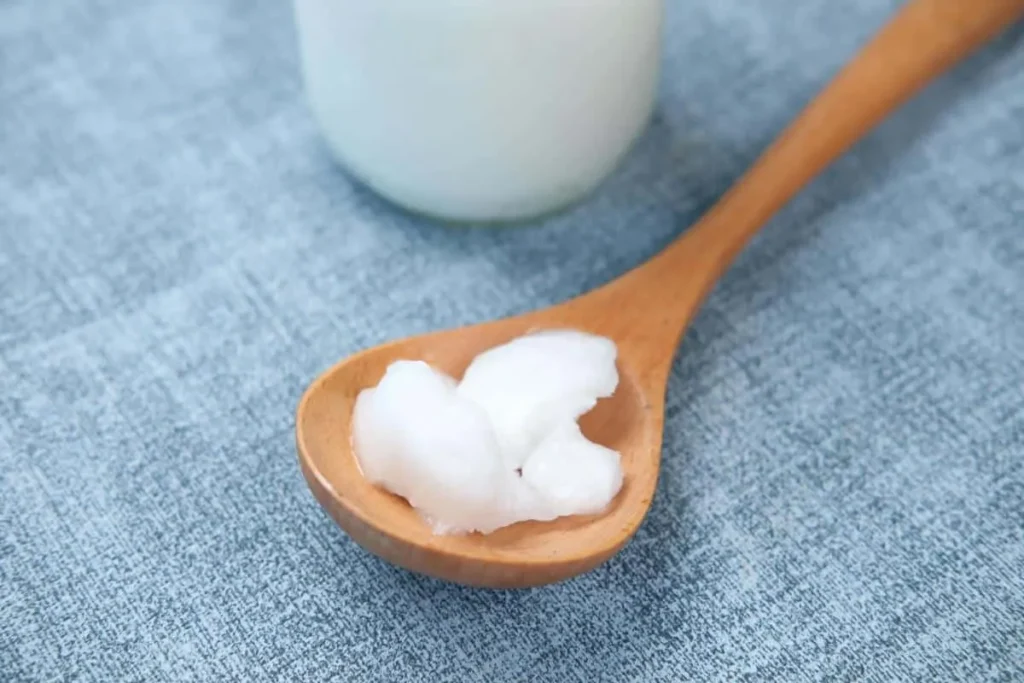
Coconut oil is packed with fatty acids and antioxidants, making it great for skin health and scar healing. It has lauric acid, a compound that fights off infections in wounds. This helps the healing process.
Key Compounds and Their Properties
Coconut oil is full of medium-chain triglycerides (MCTs), mainly lauric acid, which makes up about 50% of its fats. Lauric acid is known for its strong antimicrobial and anti-inflammatory effects. This makes coconut oil good for the skin.
Moisturizing Properties: Coconut oil keeps the skin moist, making scars less noticeable.
Antimicrobial Effects: Lauric acid in coconut oil kills bacteria and fungi, stopping infections.
Anti-inflammatory Benefits: Coconut oil reduces inflammation, leading to smoother skin.
Antimicrobial and Anti-inflammatory Benefits
Coconut oil’s antimicrobial and anti-inflammatory properties make it great for skin problems like acne and scars.
By fighting off infections and reducing inflammation, coconut oil can make scars less visible. It also improves overall skin health.
Does Coconut Oil Heal Scars? Research Findings
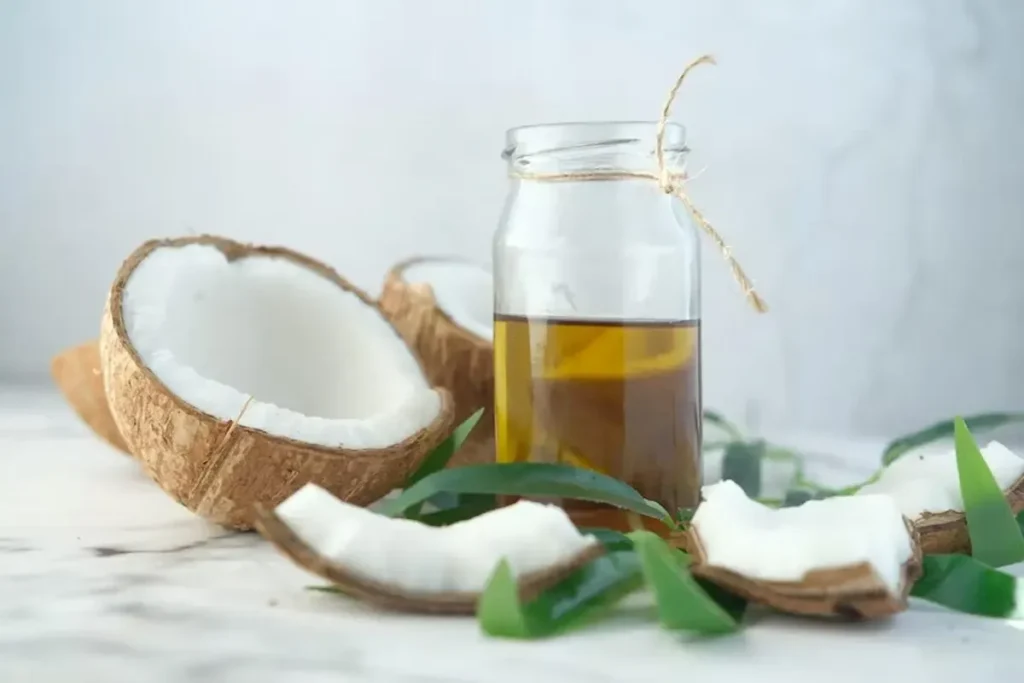
Many wonder if coconut oil can help with scars. Research shows it has many benefits for healing scars. It works in several ways to help scars heal.
Laboratory and Animal Studies
Studies on animals have shown coconut oil’s healing powers. In rats, it helped wounds close faster and boosted collagen. This shows its power against bacteria and inflammation.
Animal studies also show it speeds up healing in burns and diabetic ulcers. For example, rats with diabetic wounds healed better with coconut oil. This makes coconut oil a natural option for wound care.
Human Clinical Evidence
But, we need human studies to be sure about coconut oil’s scar healing. There aren’t many human studies yet. But, some research suggests it can improve skin health and make scars less noticeable.
For more on using coconut oil for scars, check out Perfect Image’s blog on coconut oil for. It offers detailed insights and tips.
What Dermatologists Say
Dermatologists say coconut oil might help with skin health, but more studies are needed. They believe it can make scars look better by keeping skin moist. But, it might not work for everyone, and results can vary.
In summary, coconut oil looks promising for scar healing, but we need more human studies. Its natural benefits and moisturizing properties make it good for skin care. It could help reduce scar appearance and improve overall skin health.
Effectiveness by Scar Type
Coconut oil works differently for each scar type. Knowing your scar’s details helps you use coconut oil wisely in your skincare.
Acne Scars and Blemishes
Many people want to get rid of acne scars and blemishes. Coconut oil’s antimicrobial and anti-inflammatory traits can help. The lauric acid in coconut oil fights inflammation and stops new breakouts, helping scars look less noticeable.
“Coconut oil is a game-changer for acne-prone skin,” says a renowned dermatologist. “Its natural properties soothe the skin and reduce scars over time.”
Surgical and Injury Scars
Surgical and injury scars are harder to treat than acne scars. Coconut oil’s moisturizing effects can improve skin elasticity and make scars less visible. Regular application can help scars blend in with the rest of the skin.
Fresh vs. Established Scars
The scar’s age affects how well coconut oil works. Fresh scars respond better because the skin is healing. Early intervention with coconut oil can improve healing and lessen scar severity.
For older scars, coconut oil may not work as well. But, using it with other treatments can help more.
In summary, coconut oil is a great addition to your skincare, helping with various scars. Its natural benefits make it a good choice for a holistic scar treatment approach.
Conclusion: Realistic Expectations for Coconut Oil and Scars
Coconut oil is popular for treating skin issues, including scars. It can make skin more hydrated and help wounds heal. But, there’s not much proof it works well on old scars.
Can coconut oil help with scars? It depends on what you expect. It’s good for your skin, but don’t think it will make all scars disappear. It can make your skin look better, though.
Does coconut oil heal scars? It works better on new scars than old ones. Its antibacterial and anti-inflammatory effects can aid in healing. But, it’s not a magic solution for all scars.
Adding coconut oil to your skincare can make your skin glow. Knowing its strengths and weaknesses helps you use it wisely. This way, you can improve your skin’s health and look.
FAQ
Does coconut oil really help with scars?
Coconut oil may help with scars. It has antimicrobial and anti-inflammatory properties. These can promote skin health and improve scar appearance.
Can coconut oil heal acne scars?
Coconut oil might reduce acne scar appearance. It moisturizes and nourishes the skin. But, results can vary, and expectations should be realistic.
Is coconut oil good for surgical scars?
Coconut oil can be good for surgical scars. It keeps the area moisturized. This can lead to a smoother recovery and better scar appearance.
Will coconut oil help with fresh scars?
Coconut oil might work better on fresh scars. It promotes wound healing and reduces infection risk. But, always check with a healthcare professional first.
Can coconut oil help with established scars?
Coconut oil can help established scars too. Its moisturizing properties improve skin texture and appearance. But, patience is key, and results may vary.
Does coconut oil have any benefits for skin health?
Yes, coconut oil is good for skin health. It has antimicrobial and anti-inflammatory benefits. This makes it popular in skincare routines.
How do I use coconut oil for scars?
To use coconut oil for scars, massage a small amount into the area. Do this after cleansing and toning. Combining it with other skincare practices can help more.
Is coconut oil suitable for all skin types?
Coconut oil works for many skin types. But, always patch test and start small. This ensures you don’t have sensitivity or allergic reactions.
Can I use coconut oil on open wounds or cuts?
It’s not recommended to use coconut oil on open wounds or cuts without a doctor’s advice. It could interfere with healing or cause infection.
How long does it take to see results from using coconut oil on scars?
Seeing results from coconut oil on scars varies. It’s important to be patient and consistent with your skincare routine.
References
National Center for Biotechnology Information. Evidence-Based Medical Insight. Retrieved from https://pubmed.ncbi.nlm.nih.gov/20523108/[3