

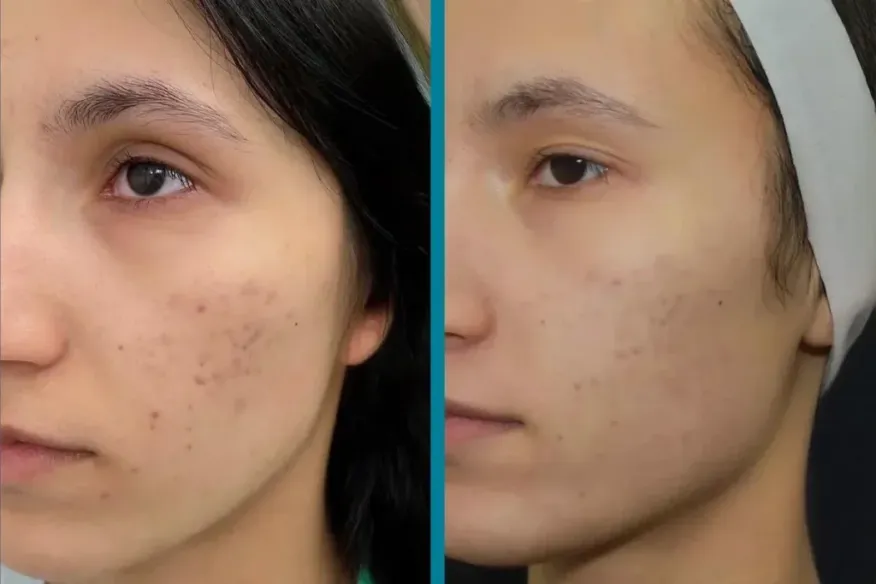
Understanding the causes of scar tissue is key to staying healthy. When we get hurt or have surgery, our body makes collagen. This can sometimes cause too much scarring.
Studies from Northwestern Medicine show why we need to tackle internal scarring mechanisms. Scar tissue inside us can form after injuries or surgeries. If not handled right, it can cause pain and limit how we move.
Learn how to stop internal scar tissue from growing. Discover amazing, powerful methods for an incredible and healthy recovery today.
The growth of internal scar tissue is a complex process. It involves cells called fibroblasts and myofibroblasts that make a lot of collagen when we heal. Knowing what causes scarring helps us take steps to control and lessen its growth.
Key Takeaways
Internal scar tissue can form after injuries or surgeries.
Excessive scarring can lead to limited mobility and chronic pain.
Understanding the causes of internal scar tissue is key for managing it.
Proactive steps can be taken to reduce the growth of internal scar tissue.
Research and medical expertise, such as from Northwestern Medicine, are vital in dealing with internal scarring.
Understanding Internal Scar Tissue Formation

When the body gets hurt, it starts to heal. This healing can lead to internal scarring. It’s a complex process involving cells and molecules that help fix damaged tissue.
What Causes Scar Tissue Inside the Body
Scar tissue can form inside the body from injuries, surgeries, or inflammation. It happens when new cells grow quickly. This can lead to hypertrophic scars or keloids. About 78% of wounds develop hypertrophic scars after healing for a long time.
It’s important to know why internal scar tissue forms. This knowledge helps in finding ways to prevent and treat it. Research on NCBI shows it’s a complex mix of cells and molecules.
The Role of Fibroblasts and Collagen Production
Fibroblasts are key in making scar tissue by producing collagen. When the body gets injured, fibroblasts start to fix the damage. But sometimes, they make too much scar tissue, causing fibrous scars and problems.
Collagen is important for healing, but too much can cause internal scarring. Knowing how fibroblasts and collagen work helps in finding treatments for internal scar tissue and preventing bad scarring.
Can Internal Scar Tissue Continue to Grow?

Internal scar tissue can grow more, causing issues like limited movement and chronic pain. This happens when the body tries to heal but ends up making too much scar tissue.
Scar tissue inside the body can grow if certain conditions are met. This growth is mainly due to active fibroblasts and collagen production.
Pathological Growth Mechanisms
Several factors can make internal scar tissue grow, like the injury’s severity and how the body heals. Pathological scarring happens when the body’s immune response creates too much scarring that doesn’t go back to normal. This keeps fibroblasts active, leading to more collagen and scar tissue.
Knowing how pathological scarring works is key to finding treatments. By addressing the root causes of excessive scarring, doctors can help prevent serious problems from scar tissue growth.
Is Internal Scar Tissue Dangerous?
Internal scar tissue can be harmful if not treated, causing serious issues. It can lead to problems like limited movement, chronic pain, and organ problems, depending on where and how much it grows.
It’s important to notice signs of bad scar tissue growth early to get medical help fast. Knowing the dangers of internal scar tissue helps people manage their condition and avoid lasting harm.
Signs of Problematic Scar Tissue Growth
Spotting signs of bad scar tissue growth is key to getting medical help early. Some common signs include:
Persistent pain or discomfort
Limited mobility or stiffness
Organ dysfunction or abnormal function
Seeing these signs early can help people get medical help before things get worse.
Understanding how pathological scarring works and knowing the signs of bad scar tissue growth helps people manage their condition. This way, they can avoid long-term damage.
Stopping the Internal Scar Tissue from Growing
To stop internal scar tissue from growing, we need a detailed plan. This plan should start early and use specific treatments. Knowing how scar tissue forms helps doctors find ways to stop it.
Early Intervention Strategies
Acting fast is key to stopping scar tissue from getting worse. Doctors might use medical treatments like corticosteroid shots to lessen inflammation and scarring. Physical therapy also helps keep tissues moving and stops them from sticking together.
A study by Houston Methodist shows early action can greatly help patients. It can make scars less severe.
Medical Treatments Targeting Excessive Scarring
There are many ways to deal with too much scarring, like laser therapy and surgery. These methods aim to lessen the look and effect of scar tissue. Laser therapy, for example, can break down scar tissue, helping it grow back healthier.
Emerging Therapies Targeting Transforming Growth Factor Beta
Studies have found that transforming growth factor beta (TGF-β) helps cause fibrotic diseases and scarring. New treatments that target TGF-β are being developed. These treatments aim to control TGF-β’s role in scarring.
Understanding TGF-β’s part in scarring lets researchers create treatments that get to the heart of the problem. This could lead to better treatments and results for patients.
Conclusion: Long-term Management of Internal Scarring
Managing internal scarring over the long term is key to avoiding problems and improving life quality. Some scars stay the same, but others can get worse, causing a lot of trouble.
Scar tissue that has fully formed can’t turn back into normal skin. So, acting early is very important. To deal with scars for a long time, doctors and patients might use different treatments and changes in lifestyle.
Whether scars can disappear is a tricky question. Some scars might get less noticeable with time, but scars inside the body often need constant care. Knowing how scars grow helps doctors find the best ways to manage them.
The main aim of long-term care is to keep people healthy and avoid serious issues from scarring. With the right plan, it’s possible to lessen the effects of scars and boost health.
FAQ
What is internal scar tissue?
Internal scar tissue forms inside the body after injuries, surgeries, or inflammation. It can cause problems like limited movement and chronic pain if not treated right.
Can internal scar tissue continue to grow?
Yes, internal scar tissue can grow more if certain conditions are met. This happens when fibroblasts keep working and making collagen, leading to more scarring.
Is internal scar tissue dangerous?
If not treated, internal scar tissue can be harmful. It’s important to watch for signs like ongoing pain or trouble moving. Then, get medical help quickly.
How to stop internal scar tissue from growing?
To stop internal scar tissue from growing, you need to act early and use specific treatments. This includes injections, laser therapy, and new treatments targeting certain proteins.
What are the signs of problematic scar tissue growth?
Signs include constant pain, trouble moving, and other issues that affect daily life.
Does internal scar tissue ever go away?
Some internal scar tissue might stay the same over time. But, others can keep growing. To manage it, you need ongoing care, treatments, and changes in your lifestyle.
What causes excessive scar tissue formation?
Too much scar tissue forms when the body reacts to injury. This involves making collagen and activating fibroblasts, which can lead to harmful scarring.
Can internal scar tissue be managed?
Yes, you can manage internal scar tissue with the right treatments, lifestyle changes, and regular check-ups. This helps avoid complications and improves your life quality.
What is the role of fibroblasts in internal scar tissue formation?
Fibroblasts are key in making scar tissue by producing collagen. Their constant activity can make scar tissue grow more.
References
national institute of health https://pmc.ncbi.nlm.nih.gov/articles/PMC4055805/


