
Pes anserine bursitis is a common knee problem. It causes pain and discomfort, mainly in people with osteoarthritis. This issue can make daily activities hard. At GoldCity Center, we focus on effective management and innovative treatment options for this condition.
Mesotherapy treatment is a promising solution for pes anserine bursitis. It targets the affected area with precision. This approach is a modern alternative to traditional treatments, providing relief and better patient outcomes.
Key Takeaways
Pes anserine bursitis is a significant clinical condition affecting patients with osteoarthritis.
Mesotherapy offers an effective and innovative treatment option.
Liv Hospital prioritizes patient-centered care and advanced therapeutic protocols.
Minimally invasive mesotherapy can improve patient outcomes and quality of life.
Effective management of pes anserine bursitis is key for overall well-being.
Understanding Pes Anserine Bursitis
Pes anserine bursitis is when the bursa at the knee gets inflamed. This bursa helps reduce friction between tendons and bone.
The Condition Explained
Pes anserine bursitis happens when the bursa gets inflamed. This can be due to overuse, direct trauma, or conditions like osteoarthritis. This inflammation causes pain and swelling on the lower inner knee. It’s more common in females, people over 50, and those who are obese or have a valgus knee deformity.
Causes and Risk Factors
Several factors can lead to pes anserine bursitis. These include:
Overuse or repetitive stress on the knee, common in athletes or those with jobs that involve frequent knee bending.
Direct trauma to the area, which can happen from a fall or a direct blow to the knee.
Osteoarthritis and other degenerative joint diseases.
Obesity, which increases the stress on the knee joint.
Valgus knee deformity, a condition where the knee angles inward.
Symptoms and Diagnosis
The symptoms of pes anserine bursitis include pain, swelling, and tenderness on the lower inner knee. Diagnosis usually involves a physical exam and may include imaging tests like ultrasound or MRI to confirm the condition.
Understanding pes anserine bursitis is key to managing it effectively. Recognizing the causes, symptoms, and how it’s diagnosed helps individuals get the right care. This can prevent more serious problems.
Mesotherapy Treatment for Pes Anserine Bursitis

Mesotherapy is a new way to treat pes anserine bursitis. It’s a less invasive method for those with knee pain. This method is known for its direct approach to the problem.
What is Mesotherapy?
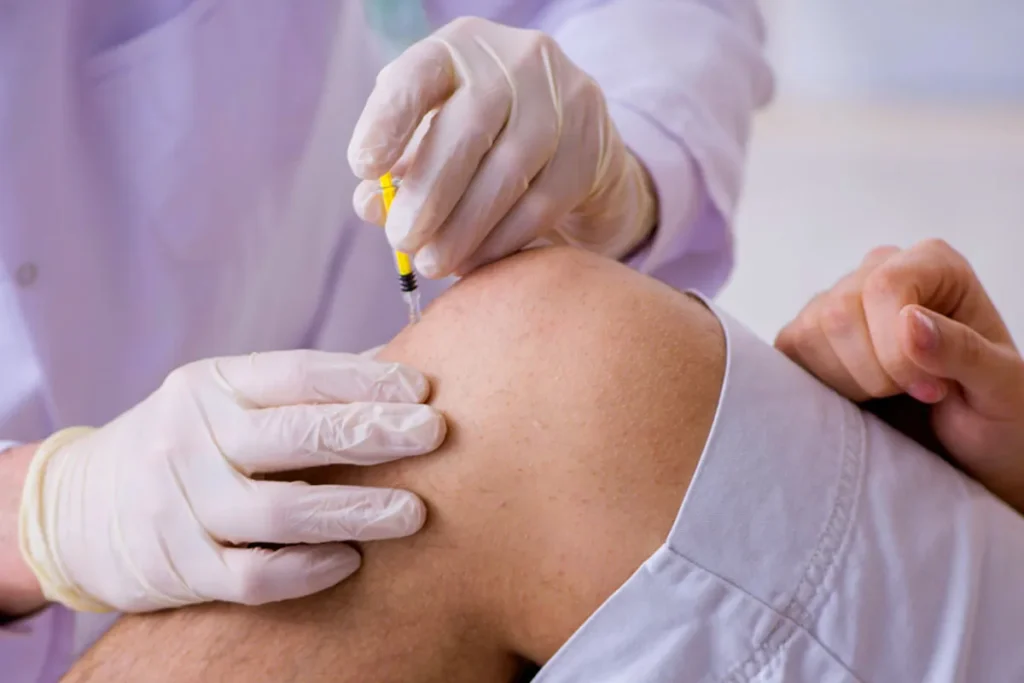
Mesotherapy is a treatment where substances are injected into the fat layer under the skin. Diclofenac, a drug that fights inflammation, is often used. It’s injected right where it’s needed, reducing side effects.
The Procedure and Protocol
The treatment for pes anserine bursitis involves a series of injections. The process includes:
Checking the area to find the best spots for the injections.
Making a special mix of drugs, like diclofenac, and other substances.
Injecting the mix into the tissue around the anserine bursa.
The number of sessions and how often they are done depends on how the person responds and how bad the condition is.
Clinical Evidence and Effectiveness
A study with 117 patients showed mesotherapy with diclofenac works well. It reduces pain and swelling in the anserine bursa. This study proves mesotherapy is a good choice for treating pes anserine bursitis.
Post-Treatment Care and Expected Results
After mesotherapy, patients should avoid hard activities. They should do gentle exercises and physical therapy. This helps them recover and feel better.
With mesotherapy, people with pes anserine bursitis can see big improvements. They can move around more easily and feel more comfortable.
Conclusion
Mesotherapy is a top choice for treating pes anserine bursitis, which often comes with osteoarthritis. It targets the problem area directly. This approach can greatly reduce swelling and ease pain.
Studies show mesotherapy is a good option for osteoarthritis. It’s a non-surgical way to help those with pes anserine bursitis. This method not only eases symptoms but also improves life quality.
Exploring mesotherapy for pes anserine bursitis shows it’s a good and quick fix. Knowing the causes, symptoms, and treatments helps people choose the best care. Mesotherapy is backed by science and is a key treatment for this condition.
If you’re dealing with pes anserine bursitis, mesotherapy could be the answer. It’s a cutting-edge treatment that promises to make a big difference. With mesotherapy, you can look forward to a better, pain-free life.
FAQ
What is pes anserine bursitis and how does it affect patients with osteoarthritis?
Pes anserine bursitis is a condition that causes knee pain and swelling. It mainly affects people with osteoarthritis. The pes anserine bursa gets inflamed, causing discomfort and making it hard to move.
How is pes anserine bursitis diagnosed?
Doctors use a physical exam, medical history, and imaging tests like ultrasound or MRI. These tests confirm the inflammation in the pes anserine bursa.
What is mesotherapy and how is it used to treat pes anserine bursitis?
Mesotherapy is a non-surgical treatment that involves injecting medications into the affected area. It aims to reduce inflammation and promote healing. It targets the inflamed bursa and surrounding tissue to treat pes anserine bursitis.
What are the benefits of using mesotherapy to treat pes anserine bursitis?
Mesotherapy reduces inflammation, improves mobility, and relieves pain. It’s a minimally invasive procedure with few side effects. This makes it a good option for treating pes anserine bursitis.
What can I expect during and after mesotherapy treatment for pes anserine bursitis?
During treatment, you’ll get a series of injections into the affected area. Afterward, you might feel some temporary soreness. But this usually goes away quickly. Most people can go back to normal activities soon after, noticing improvements in pain and mobility.
Are there any additional treatments or therapies that can be used in conjunction with mesotherapy to treat pes anserine bursitis?
Yes, treatments like physical therapy, bracing, and anti-inflammatory medications can be used with mesotherapy. They help enhance its effectiveness and promote healing.
How many mesotherapy sessions are typically required to treat pes anserine bursitis?
The number of sessions needed varies based on the condition’s severity and how well you respond to treatment. Usually, a series of treatments spaced several weeks apart is recommended for the best results.
Is pes anserine bursitis treatment with mesotherapy painful?
While some discomfort might be felt during the injections, most people find it tolerable. Topical anesthetics or other pain management options can be used to reduce discomfort.
Can pes anserine bursitis be prevented, and if so, how?
While prevention is not guaranteed, managing the condition is possible. Maintaining a healthy weight, exercising regularly, and avoiding activities that worsen the condition can help.
References
National Center for Biotechnology Information. Evidence-Based Medical Insight. Retrieved from https://pubmed.ncbi.nlm.nih.gov/26083769/