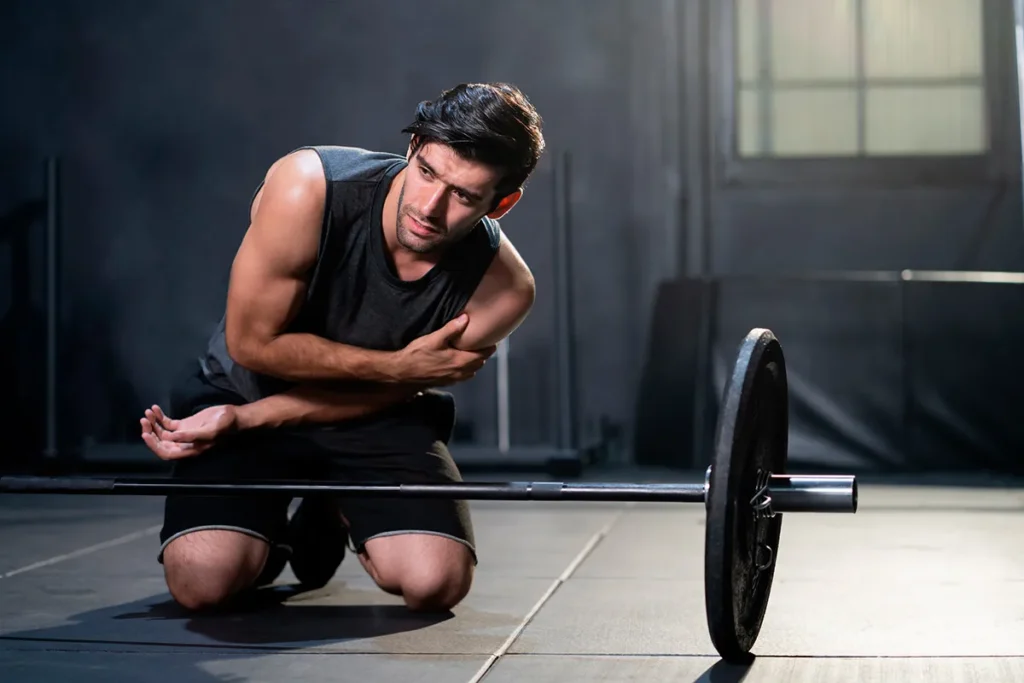
Ever feel like you can do anything during a workout, but then struggle with simple tasks the next day? This is called delayed onset muscle soreness (DOMS). It’s a common reaction to hard exercise.
DOMS happens when your muscle fibers get a bit damaged. It means your muscles are getting stronger. At GoldCity Center, we know how key recovery is in your workout plan.
It’s important to handle soreness well to keep exercising regularly. Knowing why it happens and how to ease it can really help your fitness goals.
Key Takeaways
DOMS is a normal response to intense exercise, causing soreness 24-48 hours later.
Microtrauma to muscle fibers leads to muscle adaptation and growth.
Effective recovery strategies are key for a steady workout routine.
Understanding DOMS helps in managing post-exercise soreness.
Relief strategies can greatly affect your fitness journey.
Understanding Why Muscles Hurt After Workout
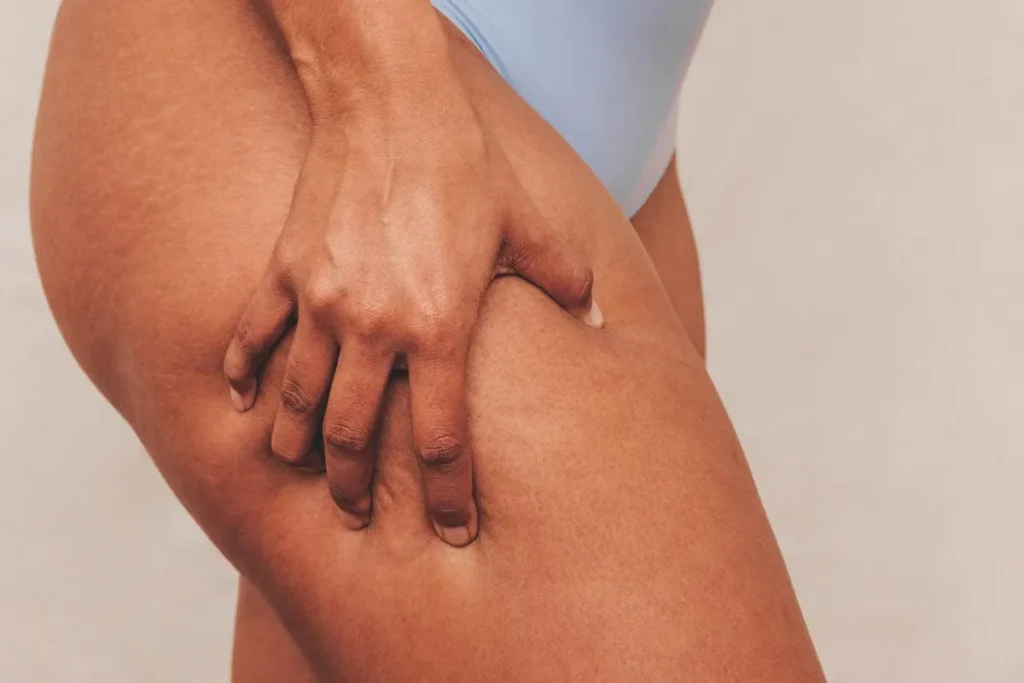
Soreness after a workout is more than just a minor issue. It shows your body is working hard to repair itself. When you do intense or new exercises, you damage your muscle fibers. This damage causes inflammation, your body’s way of healing.
What is Delayed Onset Muscle Soreness (DOMS)?
DOMS, or Delayed Onset Muscle Soreness, is pain and stiffness in muscles hours to days after hard exercise. It’s common, mainly after activities that make muscles stretch under load. DOMS is not just pain; it’s a detailed process involving inflammation and muscle repair.
The Muscle Repair and Adaptation Process
Exercise starts a series of body responses. The damage from exercise leads to an inflammatory response, key for healing. As your body fixes the muscle damage, it makes muscles stronger and more durable. This leads to better muscle function and endurance over time.
Debunking Lactic Acid and Other Myths
Lactic acid was once thought to cause soreness after exercise. But studies show lactic acid is not the main reason for DOMS. Lactic acid levels go back to normal quickly, but DOMS peaks later. The real reason for DOMS is the tiny damage to muscle fibers and the repair process.
Knowing why muscles get sore can help you deal with it better. Seeing DOMS as a natural part of getting stronger can make your fitness journey more confident and less worried about soreness after working out.
Effective Methods to Relieve Muscle Soreness
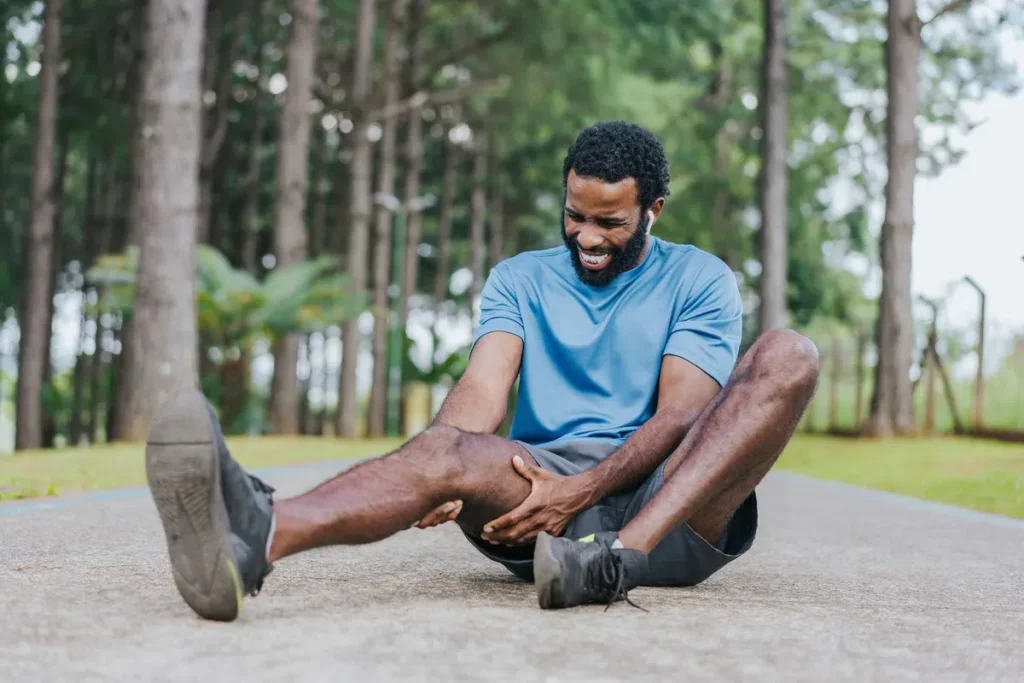
To stay on track with your fitness goals, it’s key to know how to ease muscle soreness after working out. Muscle soreness, or delayed onset muscle soreness (DOMS), is common after new or hard exercise. Luckily, there are many ways to ease this discomfort and help your body recover.
Immediate Post-Workout Recovery Strategies
Using the right recovery steps right after your workout can really help lessen muscle soreness. Cooling down is a must; it means slowly getting your heart rate and breathing back to normal. You can do this with light cardio like walking or cycling for 5-10 minutes.
Engage in light cardio to gradually bring your heart rate back to normal.
Perform static stretches for the major muscle groups you’ve worked on.
Use a foam roller to roll out your muscles, helping to reduce tension.
Heat and Cold Therapy Applications
Both heat and cold therapies can help with muscle soreness, depending on what you need and like.
Cold therapy, or cryotherapy, is great for cutting down inflammation and numbing pain. It works by making blood vessels smaller and slowing down metabolic rate, which lowers inflammation.
Apply an ice pack or cold compress to the affected area for 15-20 minutes.
Consider using cold therapy immediately after your workout or before bedtime.
Heat therapy, on the other hand, boosts blood flow to the sore area, helping muscles relax and heal. It’s good for long-term soreness or stiffness.
Use a warm bath, heating pad, or warm compress for 15-20 minutes.
Heat therapy is best applied a few hours after your workout or before activity.
Nutrition and Hydration for Faster Recovery
Good nutrition and hydration are key for muscle recovery. The right foods help fix and grow muscle, while staying hydrated keeps your body working well.
Nutrition is important; aim for a balanced meal with protein and complex carbohydrates within 30-60 minutes after working out. Protein fixes muscle fibers, and complex carbs refill energy.
Include lean proteins like chicken, fish, or tofu in your post-workout meal.
Choose complex carbs such as brown rice, quinoa, or whole-grain bread.
Hydration is also vital. Drink plenty of water all day, aiming for 8-10 glasses, and more if you’re doing hard or long exercise.
Gentle Movement and Stretching Techniques
Doing gentle movement and stretching can ease muscle soreness by improving blood flow and easing muscle tension.
Light cardio like walking or swimming is good. These activities boost blood flow without straining your muscles too much.
Do light cardio for 10-15 minutes to get your blood flowing.
Use dynamic stretches to improve flexibility and range of motion.
Stretching should be gentle and held for a while. Avoid bouncing or stretching too far.
Conclusion: Balancing Soreness and Progress in Your Fitness Journey
Understanding and managing muscle soreness is key to a successful fitness journey. Muscle soreness is a normal part of getting stronger. But, there are many ways to handle it.
Knowing what causes Delayed Onset Muscle Soreness (DOMS) is important. Using effective recovery techniques can help you feel better after working out. This way, you can keep moving forward on your fitness path.
To avoid sore muscles after a workout, use immediate recovery strategies. Try heat and cold therapy, eat right, and drink plenty of water. Gentle stretching and movement can also help ease muscle soreness.
By managing DOMS and keeping up with your progress, you can reach your fitness goals. Effective DOMS management leads to a healthy and strong body. It lets you fully enjoy your fitness journey and improve your routine.
FAQ
Why is my body sore after working out?
Your body gets sore after working out because of muscle damage. This damage causes inflammation and helps your muscles get stronger.
How can I alleviate soreness from working out?
To feel better, cool down after working out. Use heat or cold therapy, eat right, and stretch gently.
Why do my legs hurt after a workout?
Your legs hurt because of muscle damage from intense exercise. This damage leads to inflammation and soreness.
What can I do to help my sore muscles?
Help sore muscles by eating protein and carbs after working out. Stay hydrated and use heat or cold therapy.
How do I ease soreness after exercising?
Ease soreness by stretching gently, foam rolling, or using a massage ball. These help with blood flow and relaxation.
What should I do when I’m sore from working out?
When sore, rest or do light activities like yoga or walking. This helps your body recover.
How can I prevent sore muscles after a workout?
Prevent soreness by gradually increasing exercise intensity. Warm up and cool down properly. Use recovery techniques like stretching and foam rolling.
How do I cure muscle pain after exercise?
Cure muscle pain with rest, recovery techniques, and proper nutrition. This supports muscle repair and adaptation.
What can I do for sore muscles after exercising?
For sore muscles, try topical creams, warm baths, or massage chairs. These help with discomfort and relaxation.
How can I help sore muscles from the gym?
Help sore muscles with stretching, foam rolling, and self-myofascial release. Also, focus on post-workout nutrition and hydration.
How can I decrease soreness after working out?
Decrease soreness with proper recovery techniques like heat or cold therapy, stretching, and nutrition and hydration after working out.
References
National Center for Biotechnology Information. Evidence-Based Medical Insight. Retrieved from https://pubmed.ncbi.nlm.nih.gov/12617692/