

Chronic migraines can be very hard to deal with, affecting millions of people. For those with 15 or more migraine days a month, Botox injections offer a new hope. Approved by the FDA in 2010, Botox blocks pain signals at their start.
This treatment has been proven to cut migraine frequency by up to 50 percent. It greatly improves life quality. Knowing how Botox helps migraines helps people choose the best treatment for them.
Key Takeaways
Botox is FDA-approved for preventing chronic migraines in adults.
It reduces migraine frequency by up to 50 percent.
Botox works by blocking pain signals at their source.
Treatment is administered every 12 weeks.
Botox is a clinically proven solution for managing chronic migraines.
Understanding Botox for Migraines

Botox is a new way to treat migraines, helping those who get them often. This part talks about Botox for migraines. It covers what it is, its FDA approval, and who can get it.
What is Medical Botox for Migraines?
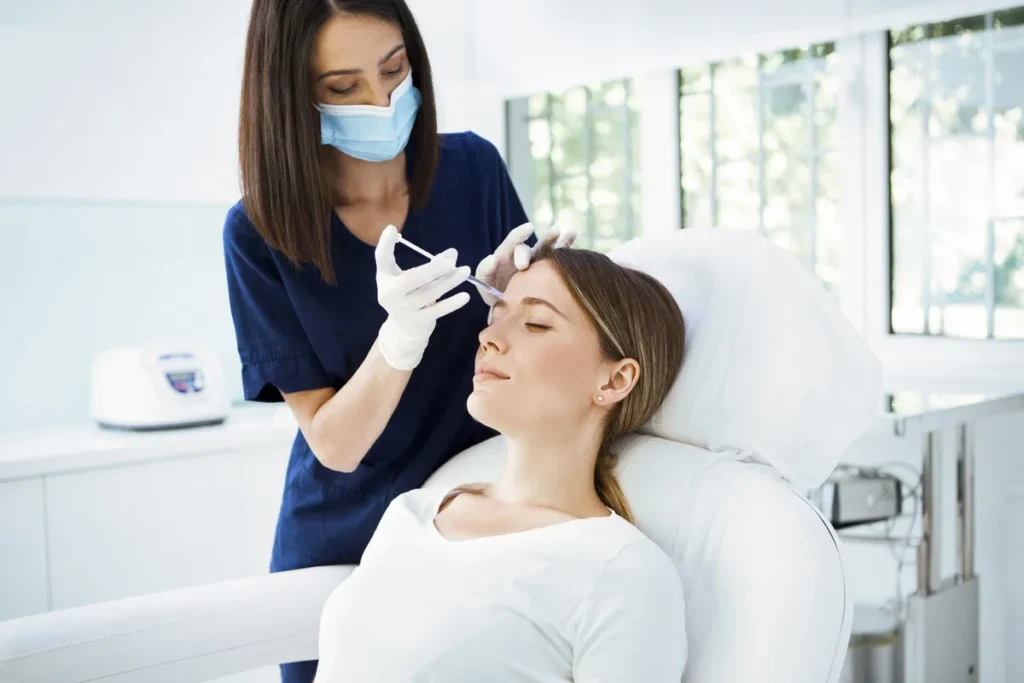
Medical Botox for migraines uses Botulinum Toxin Type A. It’s not for looks but for stopping migraine headaches. It’s injected into muscles in the head, neck, and shoulders.
This treatment stops pain signals from reaching the brain. It makes migraine attacks less frequent and less severe.
FDA Approval for Chronic Migraine
In 2010, Botox got FDA approval for chronic migraines. This was after many clinical trials showed it works. It’s a big step for migraine treatment, giving a new hope to those who suffer.
Clinical Provenance: Botox has been clinically proven to reduce migraine frequency.
FDA Approved: It’s approved for chronic migraine treatment.
Treatment Efficacy: It’s shown to cut down migraine days per month.
Who Qualifies for Botox Migraine Treatment
To get Botox for migraines, you need to have 15 or more headache days per month. At least eight of these must be migraines. This is key to see if Botox is right for you.
A doctor will check your health and history. They’ll decide if Botox is good for you.
Experience frequent migraines.
Have tried other preventive treatments without success.
Be in overall good health.
Knowing how Botox helps with migraines helps you choose the right treatment. Always talk to a doctor to see if Botox is right for you.
How Botox Treatment Works for Migraine Prevention

Botox is a new hope for those with chronic migraines. It works in a way that’s easy to understand. This makes it clear why it’s a good option for many.
The Science Behind Blocking Pain Signals
Botox blocks pain signals by stopping certain neurotransmitters. When injected, it relaxes muscles. This helps reduce migraine attacks.
Clinical Evidence: Studies show a 30 to 50 percent reduction in migraine frequency. Some see their headache days drop from 15 to 8-11.
Where is Botox Injected for Migraines?
Botox is injected in specific areas for migraines. These include the forehead, neck, and shoulders. A headache specialist helps find the best spots for each person.
Targeted Relief: Botox targets specific points for relief. This makes the treatment more effective for migraine sufferers.
Treatment Schedule and Expected Results
The treatment schedule is every 12 weeks. Results start to show a few weeks after the first treatment. The best results come after a few sessions.
Initial treatment: Botox injections are administered in a clinical setting.
Follow-up treatments: Scheduled every 12 weeks.
Expected results: Significant reduction in migraine frequency and severity.
Knowing the treatment schedule and expected results helps in making a decision. It’s a key part of managing migraines with Botox.
Side Effects of Botox for Migraines
Botox is a well-known treatment for migraines. But, it’s important to know its possible side effects. Like any medical treatment, Botox can have its own set of side effects.
Common Temporary Side Effects
Common side effects of Botox for migraines include pain, bruising, or swelling at the injection sites. Experts say these side effects are usually mild and temporary. Other temporary side effects may include:
Neck pain or weakness
Shoulder weakness
Headache or flu-like symptoms
Dry or watery eyes
Drooping eyelid, eyebrow, or on the side of your mouth
Drooling
These side effects usually go away within a few days. But, if you have severe or lasting side effects, see your healthcare provider right away.
Rare but Serious Reactions
Even though rare, serious reactions to Botox for migraines can happen. These may include:
Spread of the toxin effect (known as “botulinum toxin spread”)
Difficulty swallowing
Respiratory problems
Eye problems, including double vision
Seek immediate medical attention if you experience any of these serious side effects. Experts say Botox is generally safe but not without risks. Patients should be closely monitored.
Alternative Botulinum Toxin Treatments
If you’re thinking about Botox for migraines, know there are other options. These alternatives might have different side effects. Talking to a healthcare provider can help find the best treatment for you.
“Botox is not the only botulinum toxin product available; other brands may be considered for migraine treatment,” says a leading neurologist. “The choice of treatment should be based on individual patient needs and medical history.”
Conclusion
Botox injections for migraines are a promising solution for those who suffer from chronic pain. They work by blocking pain signals. This helps people make better choices about their treatment.
The treatment involves getting Botox injections every 12 weeks. Studies show that about 65 percent of patients see positive results after three treatments. Botox doesn’t cure migraines but greatly reduces their frequency and severity.
After 10-12 weeks, the nerves in the muscles heal, and the Botox’s effects fade. This might bring back headaches. Yet, with more treatments, many people find lasting relief. This improves their life quality.
If you’re thinking about Botox for migraines, consider the good and bad. Talk to a healthcare expert to find the right treatment for you.
FAQ
What is Botox and how does it help with migraines?
Botox is a protein used for medical and cosmetic reasons. It helps prevent migraines by blocking pain signals. It’s injected into the head and neck to relax muscles and reduce migraine frequency.
Is Botox FDA-approved for treating migraines?
Yes, the FDA has approved Botox for chronic migraines in adults. It has been shown to reduce migraine days.
Who qualifies for Botox migraine treatment?
People with chronic migraines, having 15 or more headache days a month, may get Botox. These headaches must be migraine-specific, with at least eight days.
Where is Botox injected for migraines?
Botox is injected in the head and neck. This includes the forehead, temples, and back of the head. It targets muscles that cause migraine pain.
What are the common side effects of Botox for migraines?
Side effects include pain, swelling, or bruising at the injection site. You might also get headaches or eyelid drooping. These effects are usually mild and go away on their own.
Are there any rare but serious reactions to Botox for migraines?
Yes, rare but serious reactions include trouble swallowing, speaking, or breathing. If you have these symptoms, get medical help right away.
How often are Botox injections administered for migraines?
Botox injections are given every 12 weeks. The effects are not permanent and may fade over time.
Can Botox be used to treat other types of headaches beside migraines?
Botox is mainly for chronic migraines. But, some studies suggest it might help with other headaches like tension headaches. More research is needed to confirm this.
Are there alternative botulinum toxin treatments available?
Yes, Xeomin is another botulinum toxin treatment for migraines. It works like Botox and might be an option for those resistant to Botox or looking for an alternative.
How does Botox compare to other migraine prevention treatments?
Botox has a unique way of working compared to other treatments. It can be a good choice for those who haven’t responded well to other treatments or prefer a targeted approach.
What can I expect from Botox treatment for migraines?
You can expect fewer migraines and possibly fewer symptoms. Your quality of life may improve. Results can vary, and it might take a few sessions to see the best results.
References
New England Journal of Medicine. Evidence-Based Medical Insight. Retrieved from https://www.nejm.org/doi/full/10.1056/NEJMoa1002252


