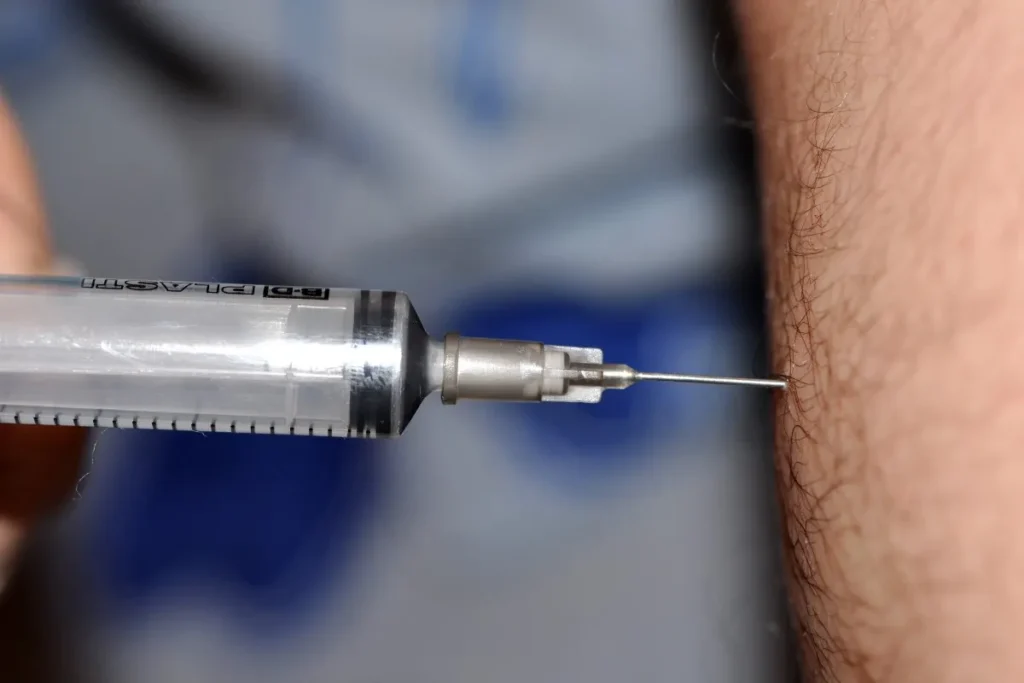
Cortisone shots are a common treatment for pain and swelling, often in joints. They deliver strong anti-inflammatory meds right to the pain spot. This can bring relief in just 24 to 48 hours. But, they can also cause side effects, like fatigue and high blood sugar.
It’s important for patients to know about the possible side effects before getting a shot. Knowing what might happen helps patients make better choices about their health. Studies from trusted medical journals show both common and serious side effects of cortisone shots.
Key Takeaways
Cortisone shots provide quick relief from pain and swelling.
Common reactions include discomfort at the injection site and systemic effects.
Understanding possible side effects is key to making informed decisions.
Reactions to cortisone shots can vary a lot from person to person.
Research supports the safety and effectiveness of cortisone injections for many conditions.
Understanding Cortisone Shots and Their Therapeutic Uses
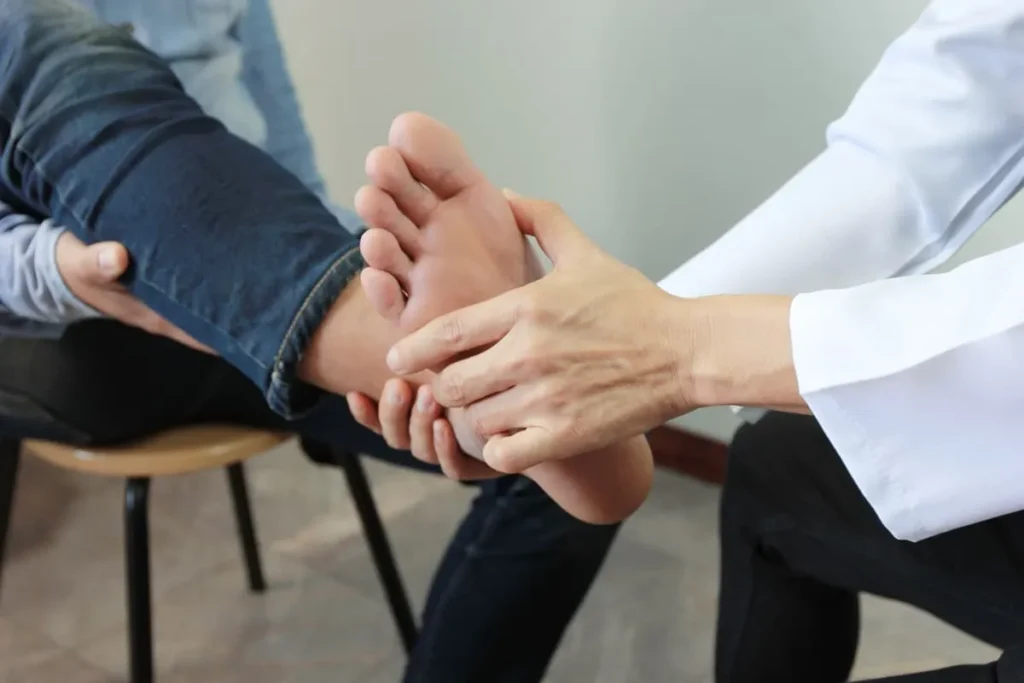
Cortisone injections are a synthetic version of cortisol. They are used to treat inflammatory conditions in joints and connective tissue. These shots help reduce pain and inflammation, making them a key treatment for many medical issues.
What Are Cortisone Shots and How Do They Work?
Cortisone shots are injections of synthetic corticosteroids. They mimic cortisol, a hormone made by the adrenal glands. By reducing inflammation, they help lessen pain and swelling.
This localized treatment has fewer side effects compared to other treatments. But, some people might feel fatigue or tiredness after getting a shot. This is because their body is adjusting to the corticosteroid.
The shots work by stopping inflammatory cytokines and reducing inflammation. This leads to relief from pain and discomfort, helping patients get back to their daily activities. While safe, some might experience excessive sweating, which usually goes away on its own.
Conditions Commonly Treated with Cortisone Injections
Cortisone injections are used for many inflammatory conditions. These include rheumatoid arthritis, osteoarthritis, bursitis, and tendinitis. They target the inflammation source, providing significant pain relief and improving joint mobility.
It’s important to know that some people might have allergic reactions to these shots. Though rare, it can happen.
Some patients might notice changes in appetite after a shot. They might wonder if a steroid shot makes you hungry. While it can occur, it’s not a common side effect. Everyone reacts differently to cortisone shots.
7 Common Side Effects of Cortisone Shots

Cortisone shots can bring relief but also side effects. Knowing these can help patients prepare for treatment.
Pain and Inflammation at the Injection Site
Pain and swelling at the injection site are common. These usually go away on their own. Using ice can help with swelling and pain. Some people might feel more pain right after, but it usually goes away in a few days.
Skin Changes: Hypopigmentation and Atrophy
Cortisone shots can change the skin. This includes losing skin color and skin thinning. Hypopigmentation shows as white patches, and atrophy makes the skin fragile. These changes are more noticeable in darker skin tones.
Fatigue and Sleep Disturbances
Some people feel tired and have trouble sleeping after a shot. The steroid can mess with natural cortisol levels. If you’re tired or can’t sleep, talk to your doctor.
Facial Flushing and Excessive Sweating
Facial flushing and excessive sweating are common too. These usually go away but can be uncomfortable. Drinking water and keeping cool can help.
Knowing about these side effects helps patients deal with cortisone shots better. Always check in with your doctor if side effects last or get worse.
When to Seek Medical Attention After a Cortisone Shot
Cortisone shots are usually safe, but it’s important to watch how your body reacts. If you have severe or lasting side effects, you should see a doctor. Wondering if a shot can cause diarrhea or if you’re tired afterward? Knowing when to seek help is key.
Signs that mean you need to see a doctor right away include more pain, redness, or swelling at the shot site. This could mean an infection. Also, if you’re feeling very tired or have an allergic rash, you should talk to your doctor.
Knowing about possible side effects can help you recover better. If you’re worried about your symptoms, contact your doctor. They can help you deal with side effects and make sure you’re getting the best treatment.
FAQ
Can cortisone shots cause nausea?
Some people might feel nauseous after getting a cortisone shot. If you’re feeling sick for a long time or really badly, talk to a doctor.
Does a steroid shot make you sleepy?
Cortisone shots can make some people feel very tired or have trouble sleeping. This happens because the steroid changes your body’s hormones, making you feel exhausted or unable to sleep well.
Can cortisone shots make you tired?
Yes, some people get very tired after a cortisone shot. This is usually just for a short time. But if you’re feeling tired for a long time, you should talk to a doctor.
What are the side effects of a cortisone shot?
Side effects of cortisone shots include pain and swelling where the shot was given, changes in skin, feeling very tired, and sweating a lot. Rarely, more serious reactions can happen.
Can a cortisone shot cause diarrhea?
Some people might get stomach problems like diarrhea after a cortisone shot. If this happens, it’s a good idea to see a doctor.
How long after a steroid shot can I take ibuprofen?
Before taking ibuprofen or any other medicine after a cortisone shot, it’s best to talk to a doctor. They can tell you when it’s safe and if there are any problems with mixing medicines.
Can a steroid injection cause an allergic reaction?
Allergic reactions to cortisone shots are rare but can happen. Signs include a rash, itching, swelling, or trouble breathing. If you have any of these, get help right away.
Does a steroid shot make you hungry?
Some people might feel hungrier after a cortisone shot because of the steroid. This usually goes away on its own but can vary from person to person.
Can cortisone shots cause excessive sweating?
Yes, sweating a lot is a known side effect of cortisone shots. This usually goes away once the steroid is fully broken down by the body.
Can a cortisone shot cause a rash?
While not common, some people might get a rash or skin reaction after a cortisone shot. If you get a rash, it’s important to see a doctor to figure out why and how to treat it.
References
National Center for Biotechnology Information. Evidence-Based Medical Insight. Retrieved from https://pubmed.ncbi.nlm.nih.gov/38117096/