Seeing a bluish tint under your eyes after getting filler can be scary. But knowing about the Tyndall effect helps you fix it. This issue happens when the filler is placed too close to the surface. It scatters light and makes a color you don’t want.
At GoldCity Center, we focus on you and your beauty goals. Our team of experts uses top-notch fillers like RHA. These fillers last longer and are less likely to cause the Tyndall effect. With the right treatment and care, you can look natural and refreshed.
Key Takeaways
Understanding the Tyndall effect is key to fixing it after dermal fillers.
RHA fillers are a top choice because they’re made with advanced tech and last longer.
Using the right filler and placement can lower the chance of Tyndall effect.
Our experienced team can help you with fixes and ways to prevent it.
We put your safety and beauty first in everything we do.
What Causes Tyndall Effect Under Eyes

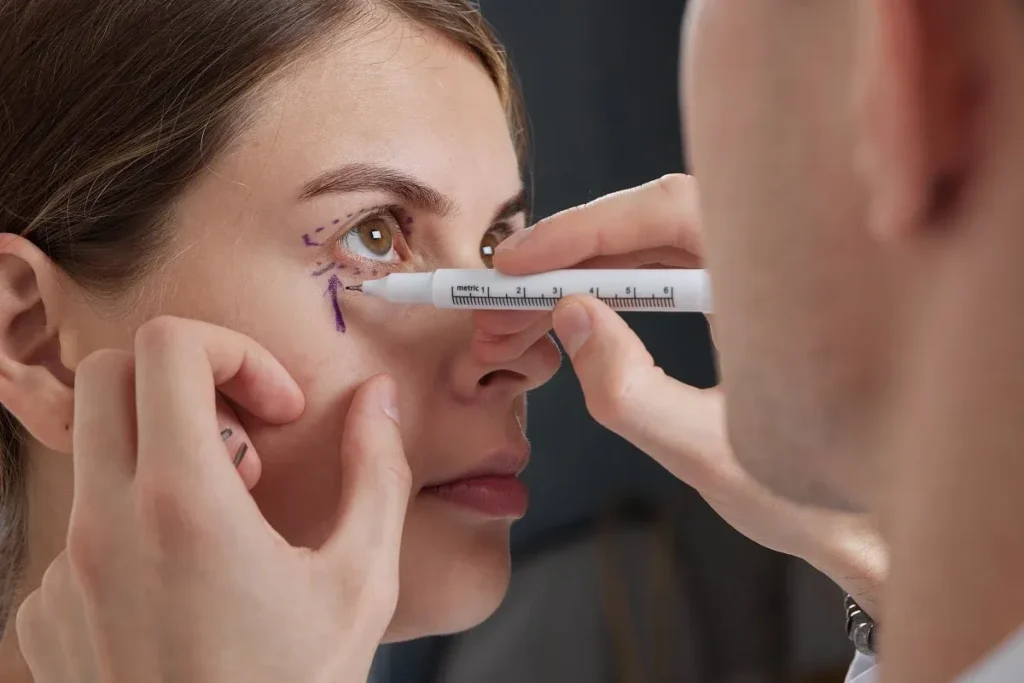
Dermal fillers can make the under-eye area look better. But sometimes, they cause a bluish discoloration called the Tyndall effect. This happens because the filler is placed too close to the skin.
The Science Behind the Bluish Discoloration
The Tyndall effect happens when light scatters off the filler particles. When the filler is too close to the skin, it scatters blue and violet light more. This makes the skin look blue, which is more noticeable under the eyes because the skin is thin.
Understanding this phenomenon is key for both doctors and patients. It’s not a bruise but an optical effect that can last if not treated right.
Why Under-Eye Area is Particular Vulnerable
The under-eye area is more likely to show the Tyndall effect. This is because the skin here is very thin. For more info on avoiding this effect, check out Kalos Medical Spa.
The thin skin and the use of fillers to fix dark circles increase the risk. This makes the Tyndall effect more likely.
How Long Does Untreated Tyndall Effect Last?
If not treated, the Tyndall effect can last for months or years. It’s different from bruises, which heal quickly. Knowing how long it lasts helps manage expectations and find the right treatment.
The long-lasting nature of the Tyndall effect highlights the need for proper treatment. Waiting for it to go away on its own is not usually effective.
Effective Treatment Options for Tyndall Effect
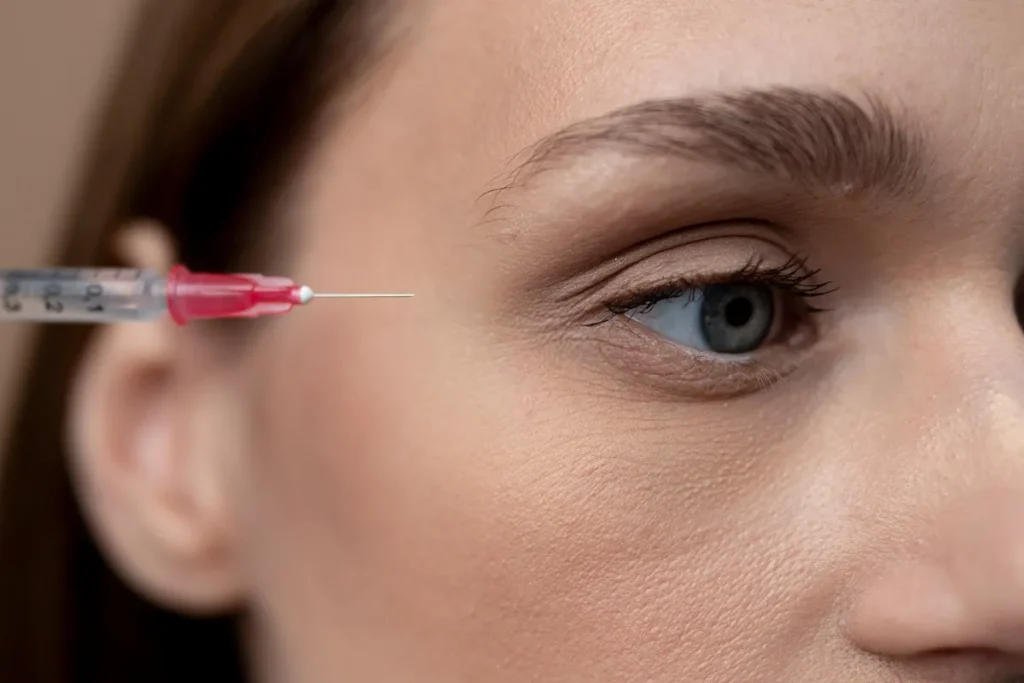
If you’re dealing with the Tyndall effect after getting dermal fillers, there are good ways to fix it. This effect shows as a bluish tint under the eyes. But, with the right treatment, you can get back to looking natural.
Hyaluronidase Dissolution Therapy
Hyaluronidase dissolution therapy is the top choice for fixing the Tyndall effect from hyaluronic acid fillers. This enzyme breaks down the filler, solving the discoloration. It’s quick and can show results right away, making it a great option.
Massage and Warm Compress Techniques
For some, massage and warm compress techniques might help. They can move the filler and lessen the Tyndall effect. These methods might not work as well as hyaluronidase, but they can help a bit.
Laser Treatment Approaches
Laser treatments are another way to tackle the Tyndall effect. Some lasers can target the discoloration, making the area look more natural. But, not everyone will see good results, and it’s not for everyone.
When to Seek Professional Intervention
Getting help from a professional is key when facing the Tyndall effect. A skilled practitioner can figure out the best course of action. Getting professional advice is important to avoid problems and get the best treatment.
Preventing Tyndall Effect in Future Filler Treatments
To avoid the Tyndall effect, it’s important to know how to prevent it before getting filler treatments. Choosing the right filler and using proper injection techniques can help. This way, you can lower the chance of this side effect.
Benefits of RHA Fillers for Under-Eye Area
RHA (Resilient Hyaluronic Acid) fillers are popular for the under-eye area. They move with your face, making the Tyndall effect less likely. RHA fillers blend well with your skin, giving a natural look.
Proper Injection Depth and Technique
The way fillers are injected is key to avoiding the Tyndall effect. Proper injection depth helps place the filler right, reducing the chance of discoloration. It’s important to find a provider who knows how to inject fillers in the under-eye area well.
Importance of Choosing an Experienced Provider
Choosing an experienced provider is vital to prevent the Tyndall effect. A skilled practitioner will choose the right filler and technique for you. For more info on the Tyndall effect and fillers, visit
Using RHA fillers, proper techniques, and an experienced provider can make your filler treatment safe and effective. This way, you can avoid the Tyndall effect.
Conclusion
Understanding the Tyndall effect under eyes is key for those thinking about under-eye fillers. This effect shows as a bluish color and can be a big problem with dermal fillers. Knowing its causes, treatments, and how to prevent it helps people make smart choices about their beauty treatments.
The Tyndall effect happens when fillers are placed or chosen wrong under the eyes. To fix it, treatments like Hyaluronidase dissolution therapy and laser treatments work. To avoid it, pick top-notch fillers like RHA, get them injected right, and choose skilled doctors.
Before getting under-eye fillers, knowing the risks and how to avoid them is vital. By picking the best filler and a skilled doctor, you can look young and radiant without the Tyndall effect. So, can you get filler under your eyes safely? Yes, with the right information and care.
FAQ
What is the Tyndall effect under the eyes?
The Tyndall effect is a bluish discoloration under the eyes. It happens when dermal fillers are placed too close to the surface. This causes light to scatter.
Is the Tyndall effect a bruise?
No, it’s not a bruise. The Tyndall effect is an optical phenomenon. It’s caused by light scattering from filler particles near the skin’s surface.
How long does the Tyndall effect last if left untreated?
If untreated, the Tyndall effect can last months or even years. This is unlike bruises, which usually heal in days.
What is the most effective treatment for the Tyndall effect?
Hyaluronidase dissolution therapy is the most effective treatment. It can dissolve hyaluronic acid fillers. This resolves the Tyndall effect quickly.
Can massage and warm compresses help with the Tyndall effect?
Massage and warm compresses might help in mild cases. They can be used as additional treatments. But their effectiveness can vary.
How can the Tyndall effect be prevented in future filler treatments?
To prevent the Tyndall effect, use high-quality fillers like RHA. Ensure proper injection technique and depth. Choose an experienced provider to minimize risks.
What are the benefits of using RHA fillers for under-eye fillers?
RHA fillers have a longer-chain molecular structure. This reduces the risk of the Tyndall effect. They are a premium choice for under-eye fillers.
Can dermal fillers be used under the eyes?
Yes, dermal fillers can address dark circles and hollows under the eyes. It’s important to choose a qualified provider to minimize risks.
What are the side effects of under-eye fillers?
Side effects include the Tyndall effect, bruising, and swelling. These can be minimized by choosing an experienced provider and high-quality fillers.
How can I minimize the risk of complications from under-eye fillers?
To minimize risks, choose an experienced provider and use high-quality fillers. Follow proper aftercare instructions as well.
References
National Center for Biotechnology Information. Evidence-Based Medical Insight. Retrieved from https://pmc.ncbi.nlm.nih.gov/articles/PMC7583139/[5