Knowing how to recover after tear trough filler treatment is key to getting the look you want. Swelling is a common and short-term side effect of this cosmetic procedure. As your body heals, you’ll see changes that usually reach their peak in the first few days.
Empowering your recovery journey starts with knowing what to expect. By understanding the different stages of under eye filler swelling, you can better navigate your path to a radiant glow and timeless beauty.
Key Takeaways
Swelling typically begins within hours of injection and peaks around day two to three.
Most patients experience significant improvement within the first two weeks.
Residual swelling may persist for up to four weeks.
Gentle care and patience are key during the recovery period.
Following post-treatment care instructions can help minimize swelling.
What to Expect After Under Eye Filler Treatment
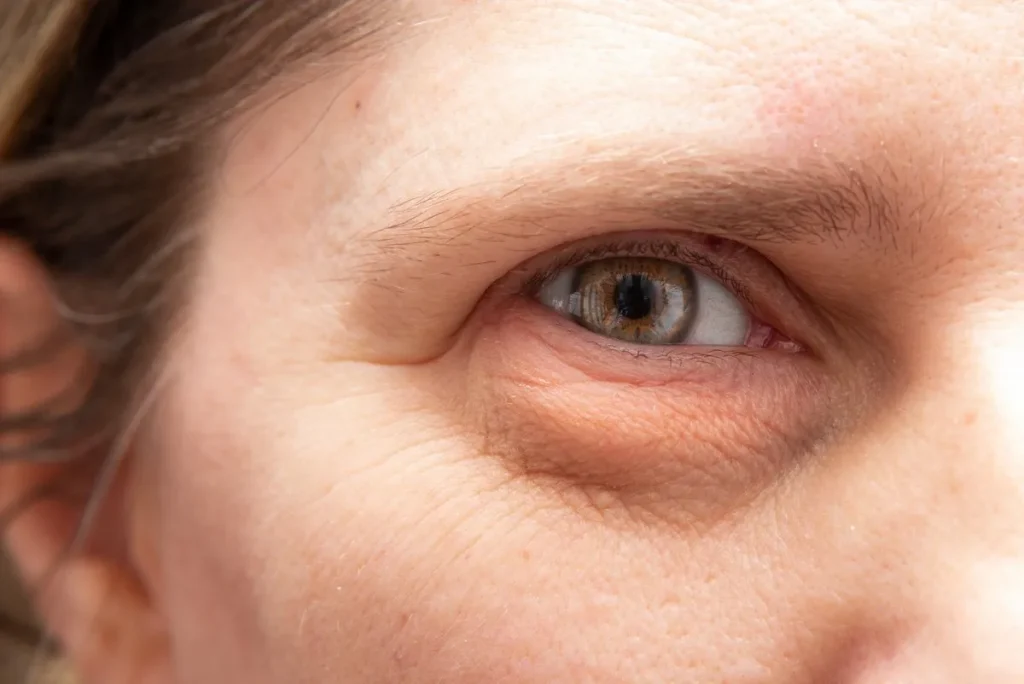
Starting your journey with under eye fillers? Knowing what to expect is key for the best results. These fillers are popular for reducing dark circles and hollows under the eyes.
Tear Trough Filler Basics
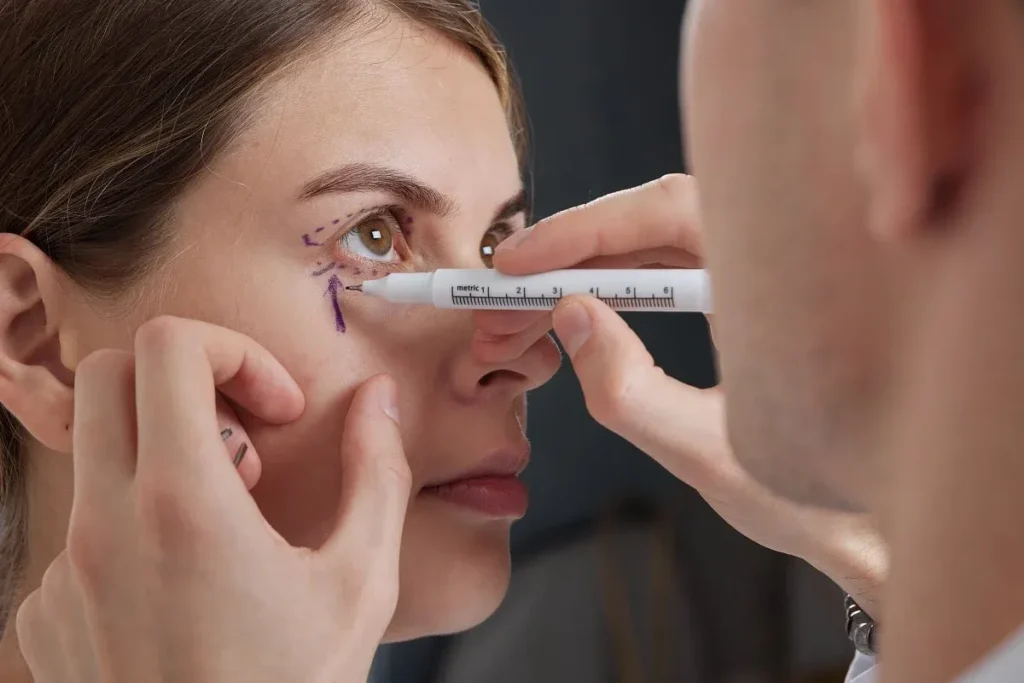
Tear trough fillers add volume under the eyes, making them look smoother and younger. Preparation is key before your treatment. Experts say to avoid alcohol, aspirin, and anti-inflammatory drugs for a week before.
Normal Healing Process Timeline
Healing times vary, but swelling usually peaks in the first 72 hours. Understanding this timeline helps manage your expectations. Most people can get back to normal in a few days, experts say.
Factors Affecting Swelling Severity
Several things can affect how bad swelling is after treatment. These include:
Skin thickness and quality
Healing capacity
Injection technique used by the practitioner
Type of filler used
Knowing these factors helps you prepare for recovery. It also lets you talk about any worries with your provider.
The 7 Stages of Under Eye Filler Swelling Stages
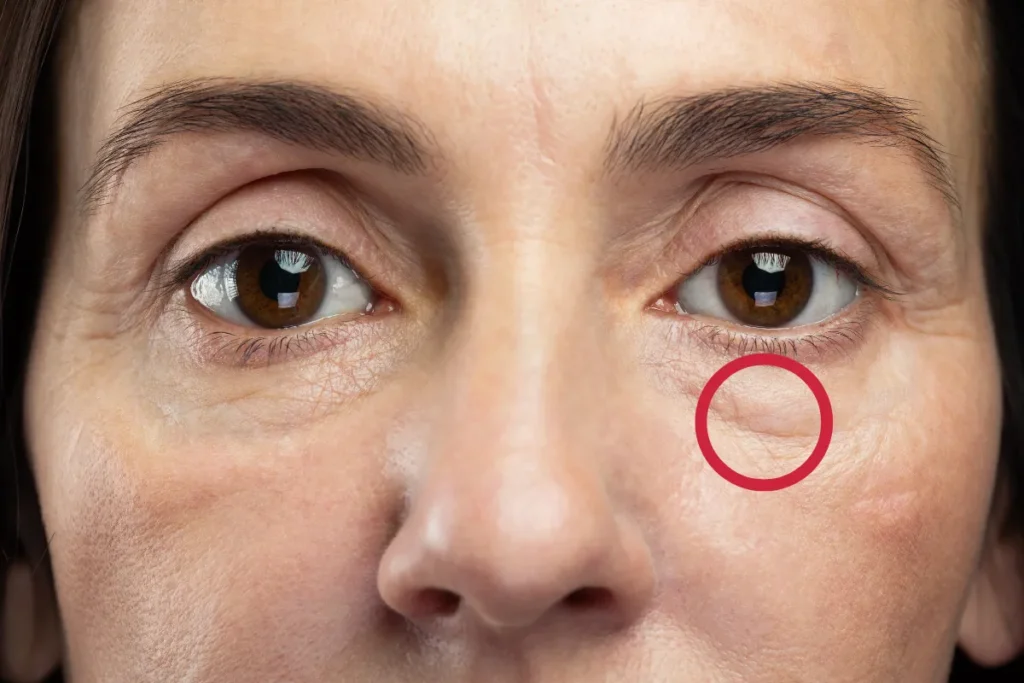
Getting a refreshed look takes time and involves several stages of swelling. Knowing these stages helps manage your expectations and get the best results.
Stage 1: Immediate Post-Treatment (0-24 hours)
Right after the treatment, swelling is common due to the injection. You might also see redness and bruising. Using ice packs and keeping your head up can help lessen these signs.
Rest and avoid hard activities
Apply cold compresses to reduce swelling
Watch your body’s reaction and report any odd symptoms
Stage 2: Peak Swelling Period (24-72 hours)
The swelling usually reaches its peak in the first 72 hours. The under-eye area might look puffy, and bruising could get worse. Being patient and letting your body heal is key.
Avoid touching or rubbing the treated area
Keep using cold compresses as needed
Drink plenty of water to aid healing
Stage 3: Initial Reduction (Days 3-5)
As healing starts, swelling begins to go down, and the under-eye area looks more natural. You’ll start to see improvements, but some bruising might remain.
Stage 4: Visible Improvement (Days 5-7)
By days 5-7, you’ll see big changes. Swelling keeps going down, and the filler’s effects become clearer. Living a healthy lifestyle helps keep the results lasting.
Eat a diet full of vitamins and minerals
Drink lots of water for skin health
Avoid too much sun
Knowing the 7 stages of under-eye filler swelling makes recovery easier. By following care tips and being patient, you can get a smoother, fresher look.
Managing Bruising and Possible Complications
Bruising is a common side effect of tear trough fillers, happening in about 20 percent of cases. Knowing how to handle bruising and other issues can make your recovery better.
Common Bruising Patterns and Timeline
Bruising from under-eye fillers shows up as color changes around the injection spot. How bad and long it lasts varies by person. Usually, it starts a few days after treatment and fades in one to two weeks.
Typical Bruising Timeline:
Delayed Swelling: Causes and Solutions
Some people get swelling weeks or months after their under-eye filler. This can happen for many reasons, like holding onto too much fluid, allergic reactions, or the filler being placed wrong.
If you see swelling that lasts, it’s key to talk to your provider to figure out why and what to do next.
When to Contact Your Provider
While some bruising and swelling are normal, there are times to call your provider. If you have severe or lasting bruising, swelling that gets worse, or any signs of infection, you should get help.
Key Indicators to Contact Your Provider:
Increasing pain or swelling
Signs of infection (redness, warmth, pus)
Asymmetrical or uneven results
Persistent or severe bruising beyond two weeks
Being informed and proactive helps you get through recovery with confidence. You’ll get the look you want, youthful and radiant.
Conclusion: Effective Recovery Tips for Under Eye Fillers
The recovery time for under eye fillers can vary. But most people see big improvements in the first two weeks. Even though swelling might last up to four weeks, taking good care of yourself is key to the best results.
To reduce bruising, follow your doctor’s advice closely. Knowing how cheek filler swelling changes each day helps you get ready for recovery. This way, you’ll get to enjoy beautiful, refreshed skin.
Swelling under the eyes is a normal part of healing. With the right care and a skilled doctor, you can reveal your natural beauty. Many people get fillers every year to keep their look fresh, like at Kopelman Aesthetic Surgery.
Your beauty journey begins now. Improve your look and feel forever young with under eye fillers. With proper care and expert help, you’ll see amazing results that boost your confidence and glow.
FAQ
How long does it take to recover from under-eye filler treatment?
Most people recover in one to two weeks. Swelling peaks in the first 48 hours. Results usually stabilize by week three.
What should I avoid before under-eye filler treatment to minimize swelling?
Stay away from alcohol, aspirin, and anti-inflammatory drugs for at least a week before. This helps lower risks and makes recovery easier.
What are the stages of under-eye filler swelling?
Swelling starts right after the procedure. It peaks with bruising, then starts to go down. It usually takes one to two weeks to see the full effect.
Why does tear trough filler swelling persist longer than usual in some cases?
Swelling can last longer due to excess fluid, allergic reactions, or if the filler was placed wrong.
How often should I schedule filler appointments to maintain results?
Most people get fillers once a year to keep their look.
What can I expect during the peak swelling period after under-eye filler treatment?
Swelling peaks in 24-72 hours after the treatment. It’s a normal part of healing.
When should I contact my provider after under-eye filler treatment?
Call your provider if you see unusual or severe swelling, bruising, or other concerns after treatment.
How can I manage bruising after under-eye filler treatment?
While specific tips aren’t given, knowing about common bruising patterns and timelines can help manage it. Knowing when to ask your provider for help is also important.
References
National Center for Biotechnology Information. Evidence-Based Medical Insight. Retrieved from https://pmc.ncbi.nlm.nih.gov/articles/PMC7209844/[2