

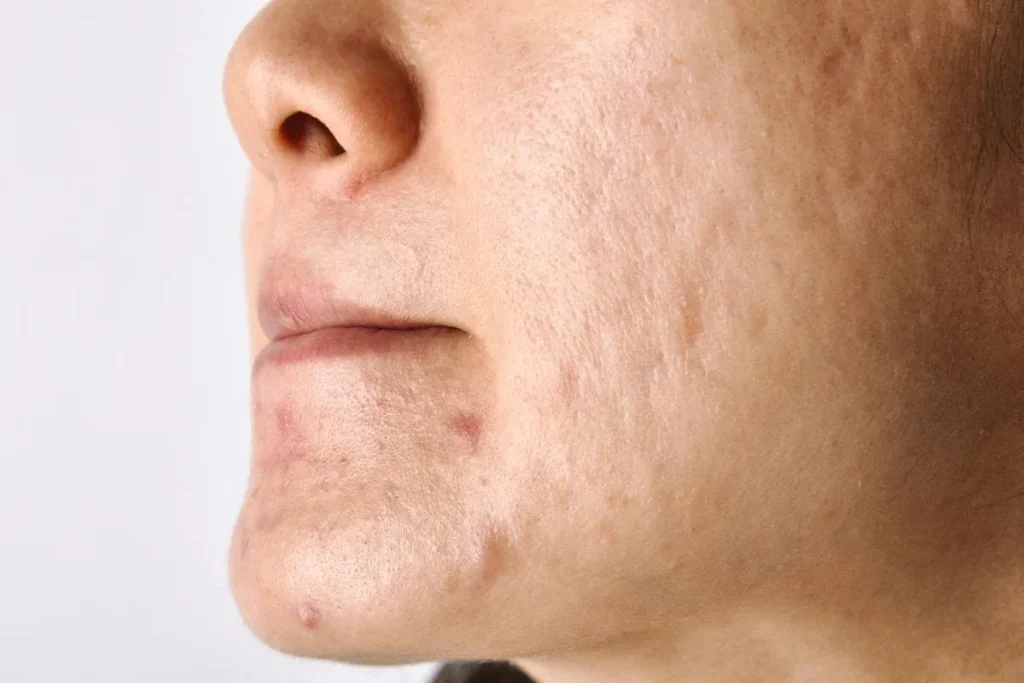
Excessive scarring affects millions worldwide, impacting appearance and confidence. If you’re one of them, you’re not alone. Easy scarring can be a significant concern, but understanding its causes is the first step toward managing it.
Why does my skin scar so easily? Discover amazing facts and powerful ways to achieve an incredible and resilient skin tone today.
Scar tissue forms when the body tries to heal from an injury, surgery, or acne. Factors such as genetics, inflammation, and skin type can influence the scarring process. For more information on scarring, you can visit this resource to learn about the different types of scars and treatment options.
Key Takeaways
Excessive scarring is a common issue affecting millions globally.
Understanding the causes of easy scarring is key to finding solutions.
Scar tissue formation is influenced by genetics, inflammation, and skin type.
Managing scarring requires a complete approach.
Various treatments are available to reduce the appearance of scars.
Understanding Why Does My Skin Scar So Easily

Many people worry about scarring easily. Scarring is a natural response to skin injury. But, how much scarring happens can differ a lot between people.
The Science Behind Scar Formation
Scar formation happens when the body tries to fix damaged skin by making collagen. When skin gets hurt, the body makes new collagen fibers to fix it. But, these new fibers aren’t as good as the old ones, leading to scars. The quality and amount of collagen made during healing affects how bad the scar will be.
Genetics also play a big part in scarring. If your parents scar easily, you might too. Knowing this can help you take steps to prevent scarring.
Prevalence of Excessive Scarring
Excessive scarring is a big problem for millions around the world. About 100 million people get scars from surgery or injuries every year. About 15 percent of these scars become hypertrophic scars or keloids, which look raised and can hurt.
Knowing about different scars can help you deal with your scarring worries. By understanding how scars form and why some people scar more, you can start working on making your skin look better.
Key Factors That Contribute to Easy Scarring

Easy scarring comes from genetics, environment, and how our body works. Knowing these helps us find ways to stop or lessen scars.
Genetic Predisposition
Our genes affect how our skin heals and scars. If your family often gets keloid or hypertrophic scars, you might scar easily too. Studies show genes can change collagen and inflammation, key in scarring. Some might make too much collagen, causing raised scars.
Here’s how genetics can affect scarring:
Skin Type and Ethnicity
Skin type and ethnicity also matter for scarring. Darker skin is more likely to get keloids, while fair skin might get other scars. Skin’s structure and melanin affect how scars form and heal. For example, those with skin that easily scars need to be careful to avoid more scarring.
Inflammation and the Healing Process
Inflammation is part of healing, but too much can cause bigger scars. Wound size, depth, and infection can increase inflammation. Learning to control inflammation is important for less scarring. This means good wound care, anti-inflammatory treatments, and not picking at the wound.
Knowing what causes easy scarring helps us prevent and reduce scars. This leads to healthier, stronger skin.
Effective Solutions for Preventing and Minimizing Scars
Discover how to keep your skin scar-free with our advanced solutions. Now, achieving radiant, timeless beauty is easier than ever, thanks to new skincare tech.
Preventative Measures for Easily Scarred Skin
Start by taking good care of wounds. Keeping them clean and moisturized is key to lessening scar visibility. Applying silicone gel or corticosteroids can also help reduce scar formation.
Keep wounds clean and covered to prevent infection
Apply silicone gel or corticosteroids to reduce scar formation
Use sunscreen to protect your skin from UV damage
It’s also important to protect your skin from the sun. UV rays can harm your skin and make scars worse. Using a broad-spectrum sunscreen with high SPF can help prevent this.
Treatment Options for Existing Scars
If you already have scars, there are treatments that can help. Laser therapy and cryosurgery are effective ways to make scars less noticeable.
Laser therapy: Stimulates collagen production to improve skin texture
Cryosurgery: Freezes scar tissue to reduce its appearance
Microneedling: Stimulates collagen production through micro-injuries
Talking to a dermatologist can help find the best treatment for your skin. With the right treatment, you can get smooth, scar-free skin.
Conclusion
Understanding why your skin scars so easily is key to a flawless complexion. Knowing the causes of easy scarring helps you prevent and reduce scars. This boosts your skin health.
Your journey to glowing skin begins now. Start by using sunscreen and sticking to a skincare routine. These steps lower your risk of scarring. This way, you unlock your skin’s full beauty, showing a brighter, more confident you.
Upgrade your skincare with the latest scar prevention methods. Discover how a good skincare plan can change your look. Say goodbye to easy scarring and hello to radiant, resilient skin. By caring for your skin, you’re closer to the beauty you’ve always wanted.
FAQ
Why do I scar so easily from minor scratches?
Scarring from minor scratches can be due to genetics, skin type, or inflammation. Knowing your skin’s unique traits can help prevent scarring.
Can certain skin types scar more easily than others?
Yes, skin type and ethnicity can affect scarring. For example, darker skin tones may be more prone to certain types of scars. Understanding your skin type is key to preventing and treating scars.
How can I prevent scarring from acne and other skin conditions?
To prevent scarring from acne and other conditions, use gentle, non-comedogenic products. Avoid picking or popping pimples. Also, seek professional treatment for underlying conditions. Advanced skincare and beauty tech can also help.
Are there effective treatments for existing scars?
Yes, treatments like topical creams, chemical peels, microneedling, and laser therapy can reduce existing scars. These treatments can provide significant results and help you look radiant.
Can I reduce the appearance of scars on my own without professional help?
While some products and home remedies can help, a dermatologist or skincare professional can offer personalized advice. They can help you create a customized skincare plan for timeless beauty.
How can I promote healthy skin that is less prone to scarring?
To promote healthy skin, maintain a consistent skincare routine. Protect your skin from the sun. Use products rich in antioxidants and nutrients. Taking care of your skin can help you glow and own your beauty.
Is it true that some people are more prone to scarring due to their genetics?
Yes, genetics can significantly affect scarring. If your family members scar easily, you might too. Knowing your genetic predisposition can help you prevent scarring.
Can lifestyle factors, such as diet and stress, affect scarring?
Yes, lifestyle factors like diet, stress, and smoking can impact your skin’s health and scarring. Eating well, managing stress, and avoiding harmful habits can support skin health and reduce scarring risk.
References
National Center for Biotechnology Information. Evidence-Based Medical Insight. Retrieved from https://pmc.ncbi.nlm.nih.gov/articles/PMC3022978/)


