

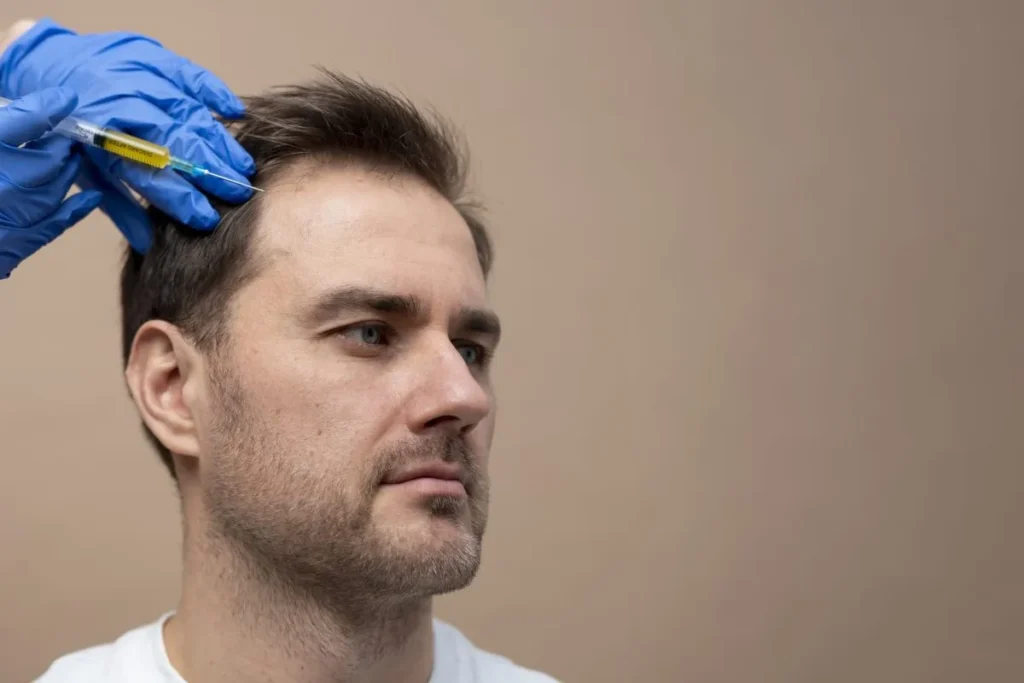
Reaching the 20-day mark after a hair transplant is a big moment. At this time, the initial recovery starts to slow down. Your body is getting ready for the next steps in healing.
The visible signs of surgery are fading, but your transplanted follicles are very sensitive. They need gentle care and advice from experts.
As you move forward, you’ll see big changes. Swelling and redness will decrease. Your transplant area is healing, and knowing what’s happening can calm your worries.
By upgrading your care routine, you’ll feel more confident in your hair restoration journey. You’re ready for the next chapter of your “glow-up story.”
Key Takeaways
Understand the healing process 20 days after a hair transplant.
Learn how to care for your transplanted hair for optimal recovery.
Discover the importance of gentle hair care after transplant.
Find out how to promote healthy growth during the recovery phase.
Explore tips for maintaining a healthy scalp after hair surgery.
Understanding Your Hair Transplant After 20 Days

Reaching the 20-day mark after a hair transplant is a big step in your journey. Your body is healing well, and it’s important to know what’s happening and what to expect.
Normal Healing Signs at the 20-Day Mark
By now, you might see less swelling and redness at the transplant site and donor area. These signs show your body is healing as it should. The transplant site should look better, with any scabs gone.
It’s normal to feel numb or tingly in the donor area. This feeling usually goes away by itself. Your patience and gentle care during this time are key for the best results.
Transplant Site and Donor Area Recovery
The transplant site and donor area are key to focus on during recovery. At 20 days post-transplant:
The transplant site should be mostly healed, with little redness.
The donor area may be recovering, with numbness or tingling.
Gentle washing and care are important to avoid graft loss.
Managing Expectations About Growth and Shedding
It’s important to set realistic expectations about hair growth and shedding after a transplant. Some people experience shock loss, where the transplanted hair falls out. This is normal, and new hair will grow back.
To help your hair grow, it’s key to:
Follow your surgeon’s post-transplant care instructions.
Keep a healthy lifestyle, with a balanced diet and enough water.
Be patient, as the full effects of your hair transplant may take months to show.
By understanding the healing process and managing your expectations, you can unlock your inner glow and enjoy the transformative results of your hair transplant.
Essential Care Practices for Hair Transplant After 20 Days

After 20 days, your hair transplant journey is at a critical juncture. You need to pay close attention to ensure the best results. Your scalp is healing, and the right care will greatly impact your transplant’s success.
Proper Washing and Cleansing Techniques
Gentle washing is key for a healthy scalp and hair growth. Use a mild, sulfate-free shampoo your surgeon recommends. Massage the shampoo gently on your scalp, then rinse well with lukewarm water. Hot water can irritate your scalp.
Massage shampoo gently onto the scalp
Rinse thoroughly with lukewarm water
Avoid hot water to prevent irritation
For more detailed guidance on washing your hair after a transplant, you can refer to resources like HairMDIndia’s blog on hair transplant after 20.
Recommended Products and Treatments
Choosing the right products can help your healing and hair growth. Your surgeon may suggest specific shampoos, conditioners, or serums. Avoid harsh chemicals and alcohol-based products, as they can dry out your scalp.
Medical Expert, Hair Transplant Specialist
Activities to Resume and Continue Avoiding
By 20 days post-transplant, you can usually start doing most daily activities again. But, it’s important to keep avoiding hard exercises, heavy lifting, and bending over. These can increase blood flow to the scalp and possibly dislodge grafts.
Resume gentle daily activities
Avoid strenuous exercises and heavy lifting
Be cautious with bending over to prevent graft displacement
Warning Signs and When to Contact Your Surgeon
Some redness, swelling, and scabbing are normal. But, there are warning signs that need immediate attention. If you have excessive bleeding, severe pain, or signs of infection like increased redness, swelling, or pus, contact your surgeon right away.
Key warning signs include:
Excessive bleeding or discharge
Severe pain not managed with prescribed medication
Signs of infection (increased redness, swelling, pus)
By following these essential care practices, you can ensure the best outcome for your hair transplant. For more information on post-transplant care, consult with your surgeon or visit reputable resources for guidance.
Conclusion
Reaching the 20-day mark after a hair transplant is a big step in your journey. Remember, true results take time. With the right care, you can get the luxurious look you’ve always wanted.
Following the hair care tips in this article helps your recovery and boosts your confidence. Your hair transplant journey is a change that grows with you. With patience and dedication, your inner beauty will shine.
Beauty is a personal growth. It’s about loving and celebrating who you are. With the right care and mindset, you’ll glow with confidence and self-love.
Your beauty journey is ongoing, not just a goal. By embracing your beauty and caring for it, you’ll see a transformation. This change is not just about your hair. It’s about the confidence and elegance you show every day.
FAQ
What are the normal healing signs 20 days after a hair transplant?
Twenty days after, you’ll see less swelling and redness. The area should be healing gently. You might notice some scabbing, but it’s usually minor.
How should I care for the transplant site and donor area 20 days after surgery?
Wash the transplant site with a mild shampoo. Avoid rubbing it hard. Treat the donor area with care, keeping hairstyles loose.
What can I expect regarding hair growth and shedding 20 days after a transplant?
Some hair might be in a resting phase, leading to shedding. Be patient, as hair cycles take time to recover.
Can I resume normal activities like exercising or swimming 20 days after a hair transplant?
Avoid hard activities, swimming, and sweating for a few weeks. This helps prevent infection. Always check with your surgeon first.
What products should I use on my hair and scalp 20 days after a transplant?
Use gentle, fragrance-free shampoos and conditioners. Stay away from harsh chemicals and dyes. Choose nourishing treatments for healthy hair.
How often should I wash my hair 20 days after a hair transplant?
Wash your hair 2-3 times a week, as your surgeon advises. Be gentle and use cool water.
What are the warning signs that I should contact my surgeon after a hair transplant?
Look out for signs of infection like more redness, swelling, or pus. Also, report any bleeding, itching, or pain.
Can I dye or style my hair 20 days after a hair transplant?
Wait a few more weeks before using harsh chemicals or heat styling. Talk to your surgeon about when it’s safe to style and color your hair.
How long does it take to see the final results of a hair transplant?
Seeing the full results can take months to a year or more. Be patient and follow your surgeon’s advice for the best results.
References
National Center for Biotechnology Information. Evidence-Based Medical Insight. Retrieved from https://pubmed.ncbi.nlm.nih.gov/34593422/


