

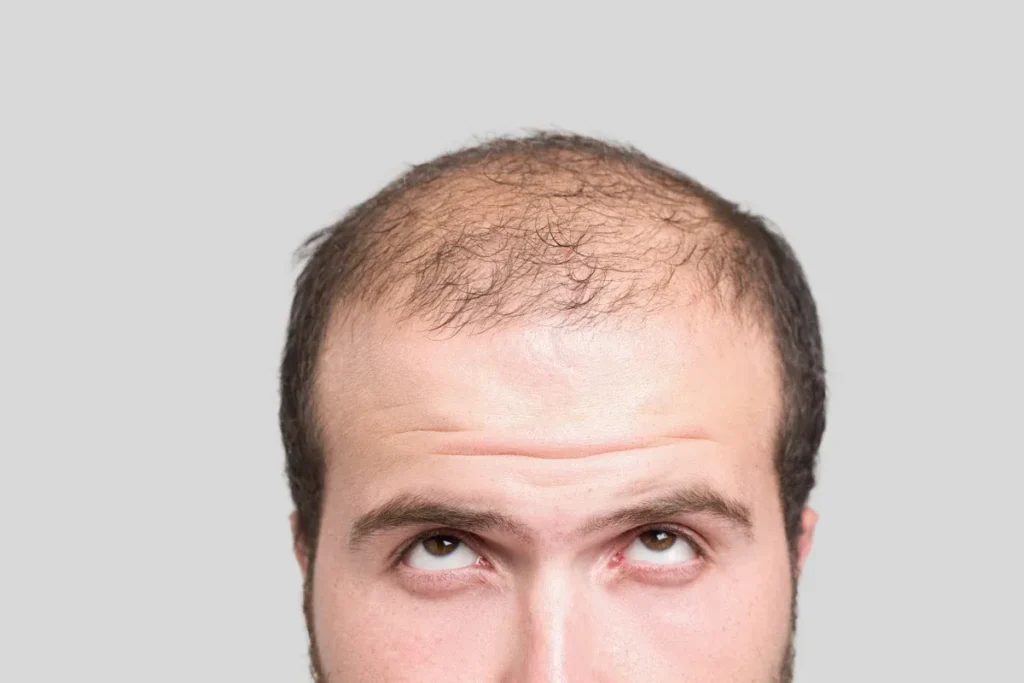
A receding hairline can be upsetting, affecting about 85% of men and 33% of women. Genetics and DHT are big reasons, but there’s good news. Clinically-proven treatments can bring back your hairline.
At GoldCity Center, we focus on you. We mix new treatments with top-notch surgery. Our aim is to boost your confidence with effective receding hairline treatments and male hairline regrowth options.
Find out about the 7 proven ways to get a fuller head of hair. They can help you feel more confident.
Key Takeaways
Knowing why your hairline recedes is key to fixing it.
Proven treatments can bring back your hairline.
GoldCity Center offers a caring approach to hair loss.
7 proven treatments can help you have a fuller head of hair.
With the right treatment, you can feel more confident about your look.
Understanding Receding Hairlines

Learning about receding hairlines starts with the science of hair loss. This issue affects millions globally. It’s a common problem.
The Science Behind Hair Loss
Hair loss comes from genetics, hormones, and the environment. At the core is Dihydrotestosterone (DHT). It’s a key player in shrinking hair follicles.
DHT makes hair follicles smaller. This leads to thinner, shorter hairs. Eventually, hair stops growing. People with a family history of hair loss are more affected.
DHT and Its Impact on Hair Follicles
DHT’s effect on hair follicles is key to understanding receding hairlines. It attaches to androgen receptors. This shortens the hair growth phase, making hairs finer and less pigmented.
Knowing how DHT affects hair follicles is vital for treating receding hairlines. By tackling the causes of hair loss, people can find treatments that fit their needs.
How Can I Stop Receding Hairline: Medication Options

Medication is a key treatment for receding hairlines, showing great promise. For those wanting to stop their hairline from receding, knowing the medication choices is important.
These treatments have solid clinical backing, making them reliable for those looking to grow more hair. Finasteride and Topical Minoxidil are two clinically proven options.
Finasteride (70% Success Rate)
Finasteride is a pill that fights male pattern baldness well. It has a 70% success rate. It blocks DHT, a hormone that causes hair loss. This helps slow down hair loss and may even help hair grow back.
Topical Minoxidil (62% Effectiveness)
Topical Minoxidil is a common treatment for hair loss. It’s applied to the scalp and is 62% effective in growing hair and slowing balding. It makes hair follicles wider, leading to thicker, healthier hair.
Prescription Topical Solutions
There are also prescription topical solutions beyond Finasteride and Minoxidil. These include treatments for specific hair loss needs, like better scalp health or making other treatments work better.
When looking at medication for a receding hairline, talking to a doctor is key. They can help pick the best treatment. Knowing the options and their benefits helps make informed choices about hair loss treatment.
Advanced Hairline Restoration Techniques
New ways to fight hair loss have changed the game. These advanced methods tackle hair loss from different sides. They offer real solutions for those wanting to bring back their hairline.
Hair Transplantation Surgery
Hair transplantation surgery is a top choice for a natural hairline. It moves healthy hair follicles from the back to the thinning spots. This makes your hairline look fuller and younger.
The benefits of hair transplantation include:
Permanent results
Natural-looking hairline
Minimally invasive procedure
Low-Level Laser Therapy
Low-Level Laser Therapy (LLLT) is a non-surgical method. It uses lasers to boost hair growth. It increases blood flow to the scalp, helping hair grow thicker and healthier.
Key advantages of LLLT include:
Non-surgical and pain-free
Stimulates hair growth
Can be used with other treatments
PRP (Platelet-Rich Plasma) Therapy
PRP therapy injects platelet-rich plasma (PRP) into the scalp. PRP comes from the patient’s own blood. It has growth factors that help hair grow.
The benefits of PRP therapy include:
Stimulates hair growth and thickening
Minimally invasive
Uses the body’s own healing
Combination Treatment Approaches
Many choose to mix treatments for better results. Combining hair transplantation, LLLT, and PRP therapy can lead to more satisfying outcomes.
Some common combinations are:
Hair transplantation with PRP therapy
LLLT with topical treatments
PRP therapy with medication
These advanced techniques help people feel more confident and youthful. Whether it’s surgery or non-surgical methods, modern hair restoration offers many effective options for everyone.
Conclusion: Choosing the Right Treatment Plan
Starting a journey to fix a receding hairline means knowing why you’re losing hair. You have many choices, like Finasteride and Minoxidil, or Hair Transplantation Surgery and Low-Level Laser Therapy. Each option has its own way to help.
It’s key to pick the best treatment for your hair loss. If you want to grow your hairline back or fix a receding one, think about what each treatment does. Mixing treatments might work best for growing hair in the front.
Knowing about the treatments and how well they work helps you choose wisely. Fixing a receding hairline can change how you look and feel. It’s a big step towards feeling more confident.
FAQ
What causes a receding hairline?
A receding hairline often comes from genetics, hormones, and DHT’s effect on hair follicles.
How can I restore my hairline?
There are many ways to restore your hairline. Treatments include medications like finasteride and minoxidil. Also, hair transplantation, low-level laser therapy, and PRP therapy are options.
Are there any effective medications for treating a receding hairline?
Yes, finasteride and minoxidil are proven to treat a receding hairline. They promote hair growth and fight DHT.
What is the success rate of finasteride in treating hair loss?
Finasteride has a success rate of about 70% in treating hair loss. It’s a top choice for those with a receding hairline.
Can I regrow my frontal hairline?
Yes, you can regrow your frontal hairline with the right treatments. This includes medications, low-level laser therapy, and PRP therapy, or a mix of these.
How do I stop my hairline from receding further?
To stop your hairline from receding, tackle the causes of hair loss. This means addressing hormonal imbalances and genetics with medical treatments or advanced hair restoration techniques.
What are the benefits of combination treatment approaches for hair restoration?
Combination treatments offer better results by tackling multiple hair loss causes. They provide a more complete and effective way to restore a receding hairline.
Is hair transplantation surgery a viable option for restoring a hairline?
Yes, hair transplantation surgery is a top choice for restoring a hairline. It offers a natural look and long-lasting results for those with significant hair loss.
How effective is low-level laser therapy in promoting hair growth?
Low-level laser therapy is effective in promoting hair growth. It increases blood flow, reduces inflammation, and helps grow thicker, healthier hair.
Can a receding hairline be treated without surgery?
Yes, you can treat a receding hairline without surgery. Options include medications, low-level laser therapy, and PRP therapy. These provide non-surgical solutions for hair restoration.
References
National Center for Biotechnology Information. Evidence-Based Medical Insight. Retrieved from https://pubmed.ncbi.nlm.nih.gov/12690370/


