

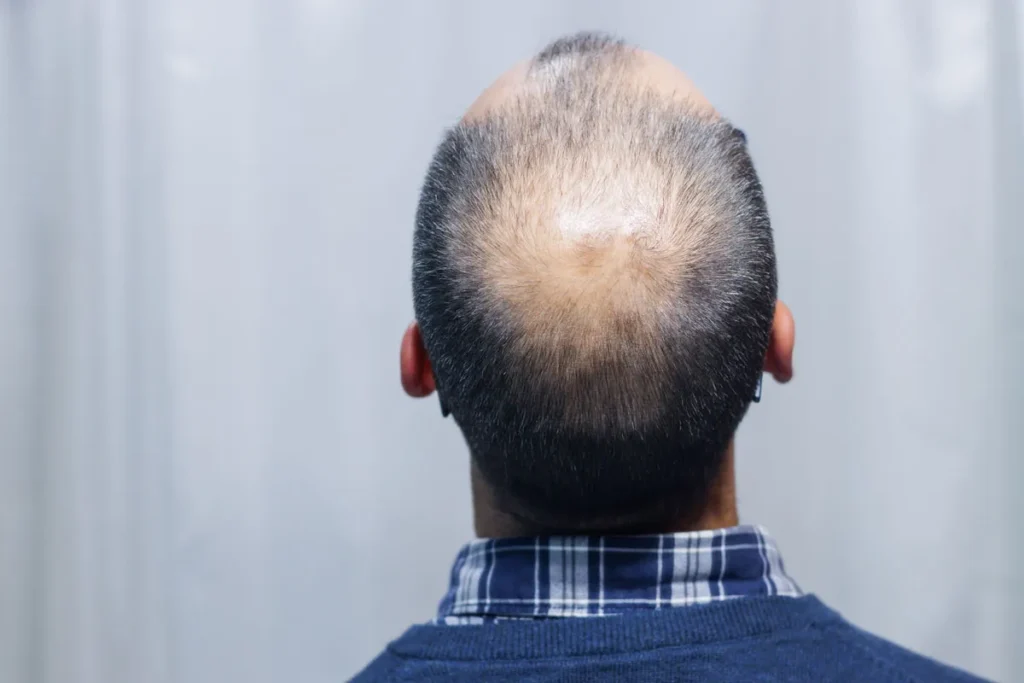
How can you tell if you have alopecia? Learn the critical signs of this condition and discover how to seek professional help fast.
Alopecia areata is an autoimmune condition that affects millions worldwide. It causes significant distress because of its impact on appearance. Recognizing the early signs of alopecia is key for timely intervention and effective management.
Alopecia areata is marked by sudden hair loss. This often results in round or oval patches of non-scarring hair loss on the scalp or other hair-bearing areas. Early detection is key to addressing this condition effectively.
Understanding the key indicators of alopecia areata is important. These include smooth bald spots, exclamation point hairs, and nail changes. Empowering individuals to seek professional help is essential.
Consulting a dermatologist is vital for proper diagnosis and treatment. This ensures the right approach to managing the condition.
Key Takeaways
Recognizing early signs of alopecia areata is key for timely intervention.
Alopecia areata causes sudden hair loss, resulting in round or oval patches.
Early signs include smooth bald spots, exclamation point hairs, and nail changes.
Consulting a dermatologist is essential for proper diagnosis and treatment.
Understanding the condition empowers individuals to seek professional help.
Understanding Alopecia and Its Various Forms

Learning about alopecia starts with knowing its different types and how they affect people. Alopecia is not one condition but several, each with its own traits.
What is Alopecia Areata?
Alopecia areata is an autoimmune disease that leads to hair loss. It often causes round, smooth patches on the scalp or body. Over 80% of people get it before they’re 40, and women are more likely to get it than men.
It can also make the skin itch or burn. This makes it hard for those with it.
Common Types of Alopecia
Alopecia comes in many forms, including:
Alopecia Areata: It’s known for patchy hair loss, usually on the scalp.
Alopecia Totalis: This means losing all hair on the scalp.
Alopecia Universalis: It’s when you lose hair all over, including the scalp, eyebrows, and eyelashes.
Androgenetic Alopecia: Also known as male or female pattern baldness.
Telogen Effluvium: It’s when you shed a lot of hair after stress or certain health issues.
Demographics and Risk Factors
Knowing who’s at risk for alopecia areata helps with early treatment. Key factors include:
Age: Most people get it before 40.
Gender: Women are more likely to get it.
Family History: If your family has it, you’re more likely to get it too.
Autoimmune Diseases: Having other autoimmune diseases raises your risk.
By knowing these factors and the different types of alopecia, people can get help sooner. They can find treatments that fit their specific case.
How Can You Tell If You Have Alopecia: Identifying Symptoms

Spotting alopecia areata symptoms early can greatly improve treatment results. This condition shows unique signs that can change in how they appear and how severe they are.
Primary Visual Signs
The main signs of alopecia areata are smooth bald patches that are usually round or oval. These patches can show up anywhere on the body, but they often appear on the scalp. Sometimes, these spots may also have rare instances of scarring, rash, or redness.
The lack of scarring helps tell alopecia areata apart from other hair loss types.
Physical Sensations and Secondary Symptoms
People with alopecia areata might feel itching or burning on their scalp. They might also notice changes in their nails, like nail pitting or brittleness. These signs can show up before the bald patches appear, making it hard to catch them early.
Distinguishing Alopecia from Other Hair Loss Conditions
Telling alopecia areata apart from other hair loss is important for the right treatment. Unlike androgenetic alopecia, which causes hair to thin out slowly, alopecia areata shows up with clear bald patches. Telogen effluvium, another common issue, is caused by stress or hormonal changes and leads to widespread hair loss, not just patches.
Knowing these differences is vital to figure out if you have alopecia areata or something else. If you notice any of these symptoms, seeing a healthcare professional for a proper diagnosis and treatment plan is a must.
Conclusion: Diagnosis and Next Steps
Figuring out if you have alopecia areata can be tricky. But knowing the symptoms is key to getting the right help. If you’re losing hair and wondering if it’s alopecia, see a dermatologist.
Feeling itchy and noticing hair loss are signs of alopecia. Spotting these symptoms early is important. Treatments include creams, pills, laser therapy, and microneedling with PRP.
Knowing the signs of alopecia is the first step to dealing with hair loss. A dermatologist can guide you to the best treatment. This way, you can feel confident and look radiant again.
FAQ
What are the early signs of alopecia areata?
Early signs include smooth bald spots and exclamation point hairs. Nail changes are also a sign. Seeing a dermatologist is key for a correct diagnosis.
How do I know if I have alopecia areata?
Look for round or oval patches of hair loss on the scalp or other areas. These patches are smooth and non-scarring. A dermatologist can give a full evaluation and diagnosis.
What are the primary visual signs of alopecia areata?
The main signs are round or oval bald patches on the scalp or other areas. These patches are smooth and may have exclamation point hairs.
Can alopecia areata cause physical sensations?
Yes, some people with alopecia areata may feel itching or burning on the scalp or affected areas.
How is alopecia areata distinguished from other hair loss conditions?
A dermatologist must evaluate the hair loss pattern and characteristics to distinguish alopecia areata from other conditions. This is important for finding the right treatment.
What are the different types of alopecia?
There are several types, including alopecia areata, alopecia totalis, and alopecia universalis. Each type has its own characteristics. Knowing these differences is key for effective treatment.
Who is at risk of developing alopecia areata?
Certain demographics and risk factors increase the chance of getting alopecia areata. Knowing these can help in early detection and treatment.
What are the treatment options for alopecia areata?
Treatment options depend on the severity and type of alopecia. They include medications, lifestyle changes, and alternative therapies. A dermatologist can help choose the best treatment.
References
National Center for Biotechnology Information. Evidence-Based Medical Insight. Retrieved from https://www.ncbi.nlm.nih.gov/books/NBK537000/


