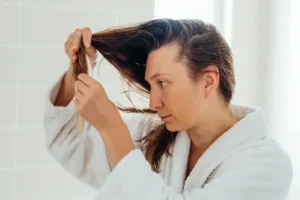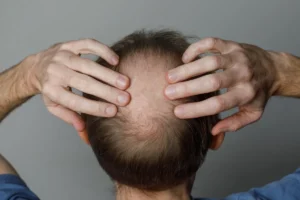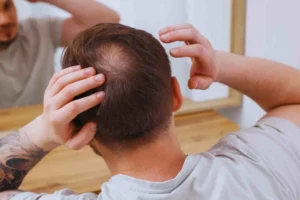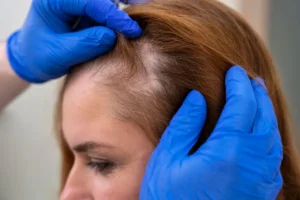
Losing hair can be really frustrating. But, the good news is that regrowth is possible if you start early and pick the right method. You might want to try natural remedies like rosemary oil and peppermint oils. Or, you could look into clinically proven treatments. Knowing your options is the first step to getting your hair back.
To naturally tackle hair loss, you need both effective treatments and lifestyle changes. At GoldCity Center, they focus on you, the patient. They offer medical expertise and new solutions to help you grow healthier hair.
Key Takeaways
Natural remedies like rosemary oil can stimulate hair growth.
Scalp massages may help regrow hair on bald spots.
Understanding the cause of hair loss is key for effective treatment.
GoldCity Center offers a patient-centered approach to hair restoration.
Combining natural treatments with lifestyle changes can enhance results.
Understanding Hair Loss and Bald Spots

It’s important to understand hair loss to tackle bald spots. Hair loss comes from genetics, hormones, and the environment.
Millions of people worldwide face hair loss, which affects their self-esteem. Androgenetic alopecia is the main cause of hair loss in men, affecting over 95% of cases.
Common Types of Hair Loss
There are several types of hair loss, each with its own causes and signs. The most common types are:
Androgenetic Alopecia: Also known as male/female pattern baldness, this is the most prevalent form of hair loss.
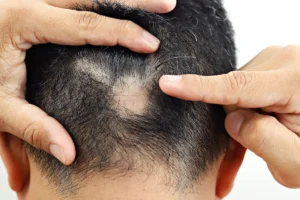
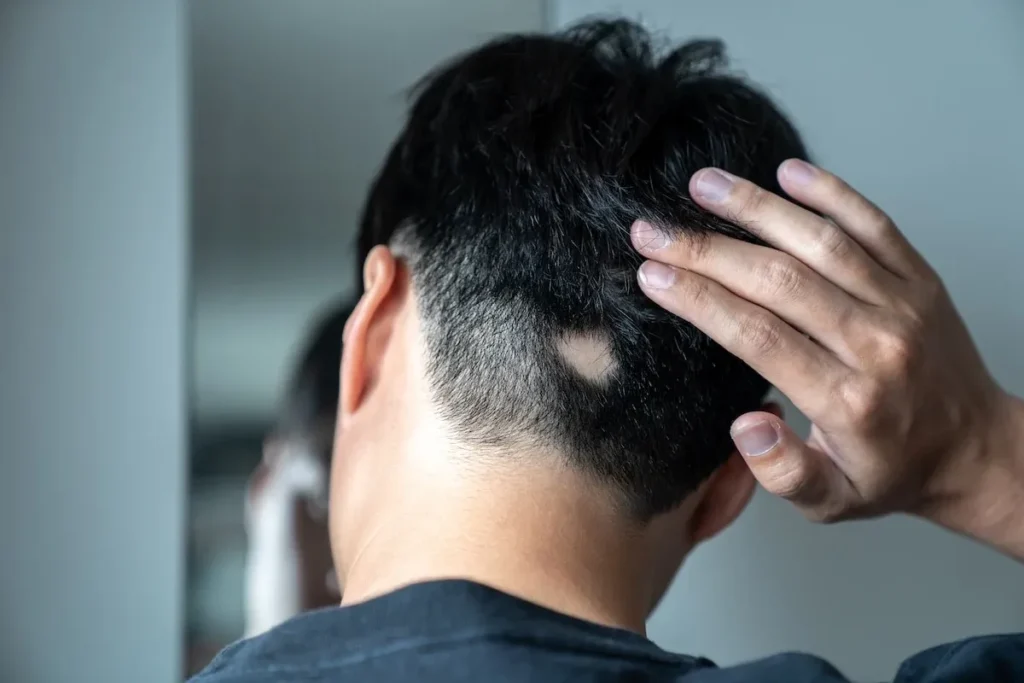
Alopecia Areata: An autoimmune condition that leads to patchy hair loss.
Telogen Effluvium: A condition that causes excessive hair shedding due to stress or hormonal changes.
The Science of Hair Growth Cycles
Hair growth happens in cycles with three phases: Anagen, Catagen, and Telogen. The Anagen phase is when hair grows fast.
The Anagen phase length varies and is influenced by genetics. The Catagen phase is short, followed by the Telogen phase, where hair rests.
Knowing about these cycles and what affects them is key to fighting hair loss and promoting growth.
How to Grow Hair Back in a Bald Spot Using Natural Remedies

Natural remedies can help grow hair in bald spots. By adding these remedies to your daily routine, you might see your hair grow fuller.
Essential Oils Proven to Stimulate Hair Growth
Essential oils are known for boosting hair growth. Rosemary oil and peppermint oil are two oils that work well. Rosemary oil helps improve scalp circulation, which aids in hair growth. Peppermint oil’s cooling effect increases blood flow to the scalp, promoting healthy hair.
To use essential oils, mix a few drops with coconut or olive oil. Then, gently massage it into your scalp. This helps the oil absorb and stimulates the scalp.
Plant-Based Solutions for Hair Regrowth
Plant-based solutions also help with hair regrowth. Saw palmetto and biotin are key ingredients. Saw palmetto blocks DHT, a hormone linked to hair loss. Biotin keeps hair follicles healthy.
Saw palmetto: Blocks DHT, a hormone that contributes to hair loss.
Biotin: Strengthens hair follicles, promoting healthy hair growth.
Effective Scalp Massage Techniques
Scalp massage is a simple way to boost hair growth. Massaging your scalp increases blood flow, nourishing hair follicles. To massage your scalp, use your fingertips in circular motions for a few minutes.
Regular scalp massages can relax you and help your hair grow. They’re a great addition to your hair care routine.
Lifestyle Factors That Support Natural Hair Regrowth
Natural hair regrowth comes from a mix of lifestyle choices. These include eating well, managing stress, and caring for your hair gently. By focusing on these, you can help your hair grow and stay healthy.
Nutrition Essentials for Healthy Hair Growth
Eating a balanced diet is key for hair health. Foods rich in vitamins A, C, and E, and minerals like zinc and iron help hair grow. Adding leafy greens, nuts, and fatty fish to your meals can give your hair what it needs.
A nutrition expert says, “A diet without the right nutrients can cause hair loss. So, it’s important to eat a balanced diet that supports hair health.”
Stress Management Strategies for Preventing Hair Loss
Stress can lead to hair loss, making stress control vital for hair growth. Meditation, yoga, and deep breathing exercises can help lower stress and improve well-being.
Meditation: Regular practice can lower cortisol levels, reducing stress-related hair loss.
Yoga: Yoga combines physical movement with deep breathing, promoting relaxation and stress relief.
Deep Breathing Exercises: Simple yet effective, deep breathing can calm the mind and body.
Hair Care Practices That Promote Regrowth
Gentle hair care is important for hair regrowth. Use mild shampoos, avoid too much heat styling, and be gentle when combing or brushing. Regular scalp massages can also boost blood flow to the scalp, helping hair grow.
By incorporating these lifestyle choices into your daily routine, you can support natural hair regrowth and enhance your hair’s health.
Conclusion: Setting Realistic Expectations and Next Steps
Starting a journey to grow hair naturally needs patience and knowing what to expect. Natural remedies and lifestyle changes can help, but it’s key to have realistic hopes. This avoids feeling let down.
Using essential oils, plant-based solutions, and scalp massage can help grow hair. Eating well, managing stress, and taking care of your hair also helps. These steps keep your scalp healthy and encourage new hair growth.
Remember, growing hair takes time. It’s important to have realistic hopes and know what’s next for treating hair loss. By sticking to these methods and keeping up a routine, you can make your hair fuller and healthier.
FAQ
Can you regrow hair on a bald spot naturally?
Yes, you can regrow hair on a bald spot naturally. Use natural remedies, make lifestyle changes, and take care of your hair. Essential oils like rosemary and peppermint, scalp massages, and a balanced diet help stimulate hair growth.
How to stimulate hair growth in a bald spot?
To stimulate hair growth in a bald spot, try scalp massages and essential oils like rosemary and peppermint. Also, eat a healthy diet. These methods improve circulation, reduce stress, and provide nutrients for hair growth.
What are the best natural remedies for hair regrowth?
The best natural remedies for hair regrowth include essential oils like rosemary, peppermint, and tea tree oil. Saw palmetto is also effective. Scalp massages and a diet rich in vitamins and minerals also support hair regrowth.
How to promote hair growth in bald spots?
To promote hair growth in bald spots, use natural remedies like essential oils and plant-based solutions. Eat a healthy diet, manage stress, and use gentle hair care practices. This multi-faceted approach helps stimulate hair growth.
Is it possible to regrow hair on bald spot naturally without medication?
Yes, you can regrow hair on a bald spot naturally without medication. Use natural remedies, make lifestyle changes, and practice good hair care. These methods stimulate hair growth and improve hair health.
How to grow hair in bald patches naturally?
Growing hair in bald patches naturally takes patience and a healthy diet. Manage stress and use natural remedies like essential oils and scalp massages. Addressing hair loss causes and promoting hair health stimulates growth.
What lifestyle changes support natural hair regrowth?
Lifestyle changes for natural hair regrowth include a balanced diet and stress management. Use techniques like meditation or yoga. Adopt gentle hair care practices to minimize damage and promote hair health.
Can a bald spot grow back?
Yes, a bald spot can grow back with the right approach. Use natural remedies, make lifestyle changes, and practice good hair care. Addressing hair loss causes and promoting hair health stimulates growth.
How to regrow bald patches?
To regrow bald patches, use natural remedies like essential oils and plant-based solutions. Maintain a healthy diet, manage stress, and practice good hair care. Promote hair health and address hair loss causes to stimulate growth.
References
National Center for Biotechnology Information. Evidence-Based Medical Insight. Retrieved from https://pubmed.ncbi.nlm.nih.gov/25842469/[3