A successful hair transplant needs more than just the recipient area’s growth. It also requires careful attention to the donor site after surgery.
The donor area, usually at the back and sides of the head, is key for healthy hair grafts. Proper care and aftercare are essential for healing well and avoiding problems.
Knowing how to heal and taking the right steps can help your hair transplant recovery go smoothly. The donor area usually heals in 5 to 7 days after a FUE hair transplant. Scabs start to form in 24 to 48 hours after surgery.
Key Takeaways
Proper care of the donor site is vital for healing.
The donor area heals in 5 to 7 days after FUE hair transplant.
Scabs start to form in 24 to 48 hours after surgery.
Complete skin healing takes 3 to 4 days.
Following proper aftercare protocols helps avoid complications.
Understanding the Hair Transplant Donor Area

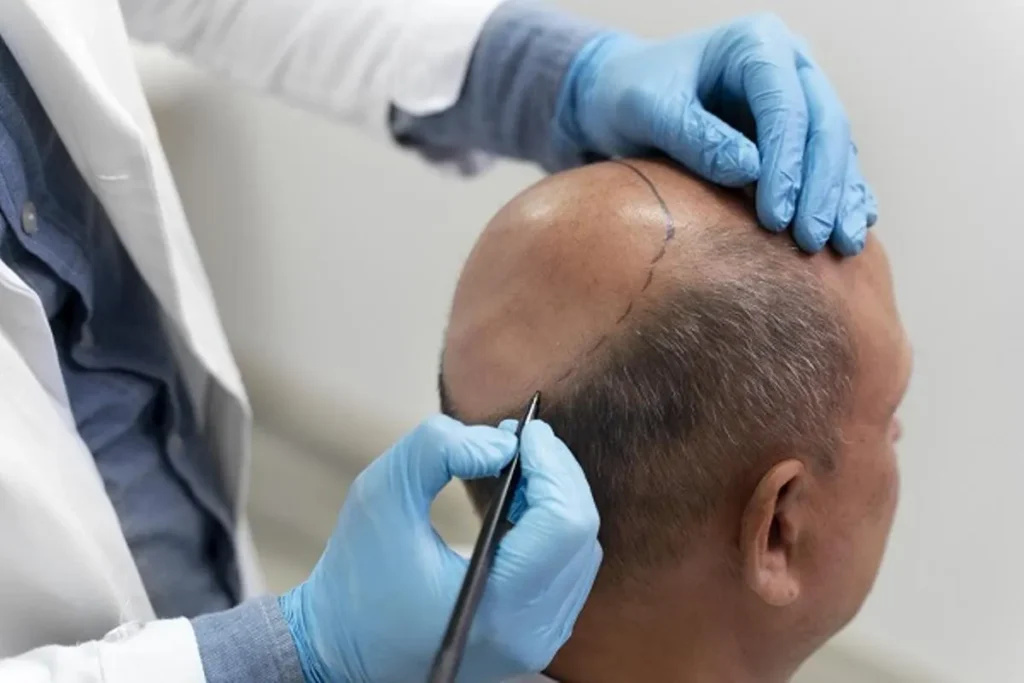
The donor area is key to a hair transplant’s success. It needs careful attention. Knowing this area well is the first step to a good transplant.
Follicular Unit Extraction (FUE) is a modern method. It aims to leave no visible scars. The back and sides of the head are chosen for the donor area. These areas have thicker, more durable hair.
What Happens to the Donor Area During Extraction
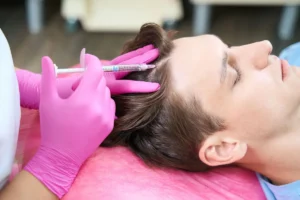
The donor area changes during extraction. The FUE technique takes out individual follicles. This can cause scabs and start the healing process.
A skilled surgeon makes sure the extraction is even. This avoids thinning or patchy spots in the donor area.
The Importance of Maintaining Follicular Density
Keeping the donor area’s follicular density high is key. The density affects how natural the transplanted hair looks. A healthy donor area is essential for a successful transplant.
Knowing how the donor area changes and why density matters helps. It sets the right expectations. Taking good care of the donor area is critical for a successful transplant.
The Healing Process Timeline

Knowing the healing process timeline is key for those who’ve had a hair transplant. It’s a journey that needs patience, care, and knowing what to expect at each step.
First Week Recovery Stages
The first healing phase is very important and happens in the first few days to a week after the procedure. You might feel some pain, swelling, and tenderness in the donor area. These feelings can be eased with pain relievers and gentle care.
It’s very important to follow your surgeon’s post-operative care instructions. This helps ensure a smooth recovery.
Gentle washing of the donor area as directed by your surgeon.
Avoiding strenuous activities that could dislodge grafts or cause unnecessary strain.
Using prescribed medications to manage pain and prevent infection.
One Month Recovery Milestone
By one month after the transplant, the donor area is usually fully healed. The hair around the transplant area grows back quickly, covering it within a week. But it’s at the one-month mark that you start to see the first results of your hair transplant.
The recovery timeline can vary, but most people can get back to normal activities in a few weeks.
Even though the donor area heals fast, the full effects of a FUE hair transplant take longer. It can take up to a year or more to see the full results. This is because the transplanted hair sheds before growing back.
By the one-year mark, the 1 year FUE donor area should be fully healed. You can then see the final results of your hair transplant. Knowing this timeline helps manage your expectations and prepares you for the journey.
How to Improve Hair Donor Area: Essential Aftercare
Improving your hair donor area starts with good post-operative care. A detailed aftercare plan is key. It helps the area heal well and look good over time.
Immediate Post-Operative Care
Right after your transplant, follow your surgeon’s care tips. This includes:
Keeping the donor area clean to prevent infection
Avoiding strenuous activities that could dislodge grafts or cause bleeding
Gently washing the scalp as directed by your surgeon
Proper cleaning and gentle care are vital in the early healing phase. Your surgeon might give you medicines to help heal and avoid problems.
Activities to Avoid During Recovery
During recovery, stay away from activities that could harm healing. These are:
Strenuous exercise: Avoid heavy lifting, bending, or exercise that could increase blood flow to the scalp.
Direct sun exposure: Protect your scalp from direct sunlight to prevent damage and promote healing.
Smoking and alcohol consumption: Both can impede the healing process and should be avoided or minimized during the initial recovery phase.
By avoiding these activities, you can significantly reduce the risk of complications and support the healing process.
Long-Term Donor Area Maintenance
After healing, long-term care is about gentle care and scalp protection. This includes:
Using gentle shampoos and conditioners
Protecting your scalp from sun exposure with hats or sunscreen
Maintaining a healthy lifestyle to support overall hair health
Long-term maintenance is key to keep your donor area looking good. A consistent care routine helps your transplant results last for years.
Conclusion
Getting a natural, fuller head of hair after a transplant needs careful care of the donor area. Knowing how to heal and following the right aftercare steps helps a lot. This way, you can have a smooth recovery and the best hair transplant results.
Looking after the donor area well is key for hair restoration. By taking a thorough approach to recovery, you can avoid problems and have a scalp that looks healthy and vibrant. This leads to a successful hair transplant outcome.
Remember, patience and dedication are important as you go through your hair restoration journey. By sticking to the advice in this article, you can make the most of your hair transplant. A well-kept donor area is vital for a successful hair restoration conclusion.
FAQ
What is the donor area in a hair transplant?
The donor area is at the back and sides of the head. It’s key for getting healthy hair grafts.
How long does it take for the donor area to recover after a hair transplant?
It takes about a month for the donor area to fully recover. But, hair around it grows back in just a week.
What happens to the donor area during extraction?
During extraction, the donor area changes. It forms scabs and starts healing.
How can I improve my hair donor area after a transplant?
To improve it, follow a detailed aftercare plan. Keep it clean, avoid hard activities, and protect it from the sun.
What are the common issues with the donor area after a hair transplant?
Issues include mild pain, swelling, and tenderness. These can be managed with pain meds and gentle care.
How many grafts are typically used for a hair transplant?
The number of grafts varies. It depends on your needs and the procedure’s extent.
Does hair regrow in the donor area after FUE?
Yes, hair usually grows back in the donor area after FUE. But, density can vary.
How can I maintain follicular density in the donor area?
To keep follicular density, choose a skilled surgeon. They ensure even extraction and proper care to avoid issues.
What are the best practices for donor area maintenance?
For the best care, use gentle methods. Protect the scalp from the sun and follow a detailed aftercare plan.
References
National Center for Biotechnology Information. Evidence-Based Medical Insight. Retrieved from https://pmc.ncbi.nlm.nih.gov/articles/PMC11401157/