Getting radiant, healthy hair is more than just using surface treatments. It’s about understanding the basics of wellness that many miss. Research shows a strong connection between health and hair quality. Knowing the seven natural steps to improve hair health gives you real, science-backed ways to do it.
Seeing a lot of hair loss can make you feel down or out of control. But, there are good ways to tackle the problem and get your self-confidence back. Studies show that improved hair quality comes from a mix of good food, scalp care, and changing your lifestyle.
Key Takeaways
Understand the link between overall health and hair quality
Discover 7 natural steps to improve hair health
Learn how nutrition, scalp care, and lifestyle changes impact hair
Explore evidence-based strategies for achieving healthy hair
Find out how to restore confidence through hair health improvement
The Science of Hair Health: Facts and Statistics

The study of hair health is really interesting. It helps us understand why people lose their hair and why natural remedies are becoming more popular. Hair loss affects not just the person but also their self-confidence and life quality.
Understanding Hair Loss Patterns
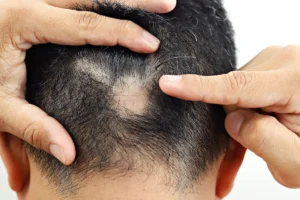
Hair loss, or alopecia, can happen for many reasons. These include genetics, hormonal changes, and lifestyle choices. It’s known that 85% of men and 33% of women will experience hair loss at some point in their lives. Knowing these patterns is key to finding good solutions.
Genetics play a big role, with some traits leading to androgenetic alopecia.
Hormonal changes, like those involving androgens, can cause hair to thin and fall out.
Stress, diet, and environmental factors also affect hair health.
The Growing Demand for Natural Hair Solutions
The global hair care market was worth 52.37 billion dollars in 2022. This shows how much people want natural ways to keep their hair healthy. There’s a big move towards natural hair care products that are good for both the hair and the planet.
Natural ingredients like saw palmetto, biotin, and keratin are becoming more popular for their benefits.
The trend is towards nature-powered luxury in hair care, using organic and eco-friendly products.
People are looking for products without harsh chemicals, preferring gentle and effective ones.
By learning about hair health and why people lose their hair, we can make better choices. The rise in demand for natural hair solutions shows we need a holistic approach to hair care. This approach looks at the hair and the person’s overall health.
How to Improve Hair Health Through Nutrition and Care

Getting healthy hair is about finding the right mix of nutrition, scalp care, and protecting it from the environment. This balance is key to growing hair and keeping it healthy.
1. Optimize Your Diet with Essential Nutrients
Eating foods rich in important nutrients is vital for your hair. Nutrients like biotin, zinc, and vitamin D help keep your hair thick and prevent it from falling out too soon. Eating foods like nuts, leafy greens, and fish can really help your hair.
Biotin: Eggs, nuts, and whole grains have biotin, which strengthens hair follicles.
Zinc: Oysters, beef, and chicken are full of zinc, which helps hair grow and repair.
Vitamin D: You can get vitamin D from fatty fish, fortified dairy, and sunlight, which keeps hair follicles healthy.
2. Establish a Proper Scalp Care Routine
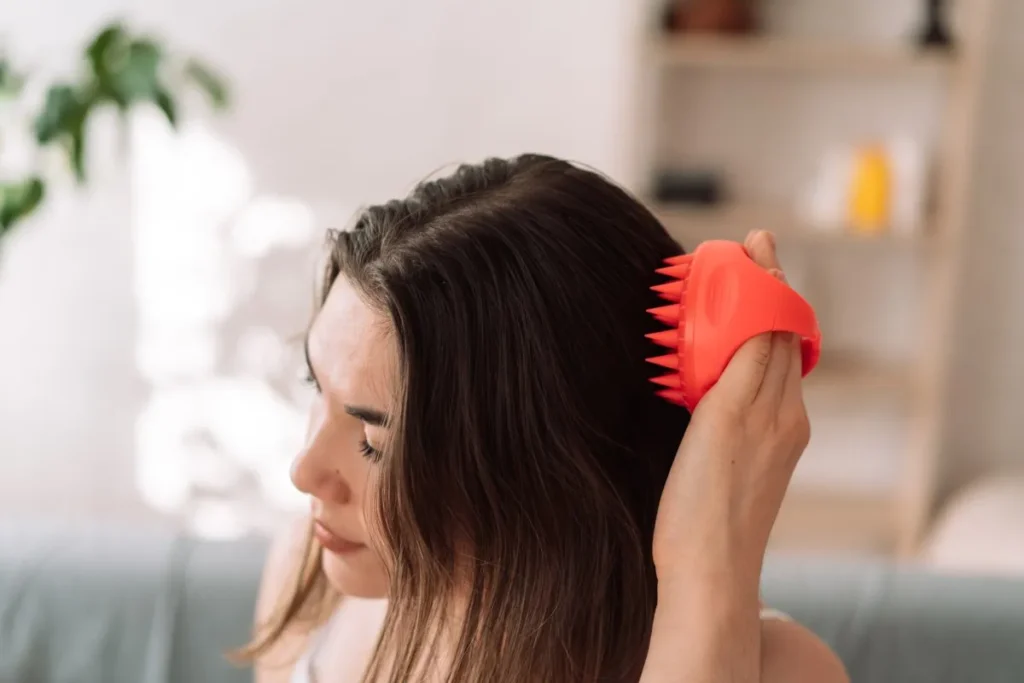
Taking care of your scalp is the first step to healthy hair. Massaging your scalp can boost blood flow, strengthen hair roots, and help hair grow. It’s also important to use gentle, nourishing products that fit your scalp type.
Scalp care tips:
Massage your scalp gently with your fingertips for 5-10 minutes, 2-3 times a week.
Use a scalp massager or a soft-bristled brush to stimulate blood flow.
Apply nourishing scalp serums or oils that contain ingredients like peppermint or rosemary.
3. Harness the Power of Natural Oils and Serums
Natural oils and serums can deeply nourish your hair and scalp. Oils like coconut oil, sesame oil, and a mix of castor and olive oil are very beneficial.
Coconut Oil: It moisturizes and conditions hair, reducing protein loss.
Sesame Oil: It’s full of antioxidants, protecting hair from damage and promoting growth.
Castor and Olive Oil Blend: It stimulates hair growth and strengthens hair follicles.
4. Protect Your Hair from Environmental Damage
Things like UV radiation, pollution, and harsh weather can harm your hair. To protect it, use products with SPF, wear protective gear like hats, and try to avoid harmful elements.
Tips for protection:
Use hair care products that contain SPF to shield your hair from UV damage.
Wear a hat or use a hair serum with protective properties when going out in harsh weather or high pollution areas.
Avoid excessive heat styling and use a heat protectant spray when you do.
Lifestyle Modifications for Stronger, Healthier Hair
Hair health is closely tied to our overall well-being. Making lifestyle changes is key to getting beautiful hair. By focusing on certain habits, you can make your hair stronger and look better.
5. Implement Stress Management Techniques
Stress can lead to hair loss. People under stress are eleven times more likely to lose their hair. It’s important to manage stress to keep your hair healthy.
Practice Yoga or Meditation: Doing yoga or meditation daily can lower stress. This is good for your hair.
Deep Breathing Exercises: Adding deep breathing to your day can also reduce stress.
6. Reduce Heat Styling and Harsh Treatments
Too much heat styling and harsh chemicals can harm your hair. This can cause breakage and loss. It’s important to use less of these to keep your hair healthy.
Use heat styling tools less or protect your hair with a spray.
Choose gentler hair treatments and think about natural options.
7. Adopt Gentle Hair Handling Practices
Being gentle with your hair is key to avoiding damage. This means being careful when combing, brushing, and styling.
Use a wide-tooth comb or a detangling brush to reduce breakage.
Don’t rub your hair with a towel. Instead, gently blot it dry.
By adding these changes to your daily life, you can work towards having stronger, healthier hair. Remember, getting healthier hair takes time, patience, and a whole-body approach.
Conclusion: Creating Your Personalized Hair Health Regimen
Creating a hair health plan means knowing what your hair needs. It’s about using natural methods that work well. By eating right, taking care of your scalp, and using natural oils and serums, you can get healthy hair that shines.
A good hair care routine makes your hair grow faster, thicker, and healthier. This includes massaging your scalp, picking a natural shampoo, and using a moisturizing conditioner. Also, eating well and managing stress helps. These steps help you maintain healthy hair and bring out the best in your hair.
To achieve healthy hair, be patient and stick to your routine. The right mix of nutrition, care, and lifestyle changes will make your hair look amazing. You’ll have hair care for healthy hair that makes your hair look luscious and full of life.
FAQ
What are the most essential nutrients for healthy hair?
Eating a balanced diet is key for healthy hair. Focus on foods rich in vitamins and minerals like biotin, zinc, and vitamin D. Salmon, walnuts, and spinach are great choices.
How can I improve my scalp health?
A good scalp care routine is essential. Start with gentle scalp massages and use a scalp scrub or mask. Also, try to reduce product buildup. Regular massages boost blood flow, helping your hair grow.
What natural oils and serums are beneficial for hair health?
Natural oils like coconut oil, argan oil, and rosemary essential oil are great for hair. They moisturize, strengthen, and add shine. They also promote a healthy scalp.
How does stress affect hair health?
Stress can lead to hair loss. To combat this, try yoga, meditation, or deep breathing. Lowering stress helps your scalp and hair stay healthy.
What lifestyle changes can I make to improve my hair health?
Be gentle with your hair and use less heat styling. Choose gentle hair care products. A balanced diet, staying hydrated, and regular trims also help.
How can I protect my hair from environmental damage?
Use a hat or hair product with SPF to protect from UV rays. A hair serum or mask with antioxidants can shield against pollution and smoke.
What are some signs of healthy hair?
Healthy hair shines, is elastic, and breaks less. It feels smooth and has vibrant color. Excessive shedding, dryness, or brittleness mean your hair needs extra care.
References
National Center for Biotechnology Information. Evidence-Based Medical Insight. Retrieved from https://pmc.ncbi.nlm.nih.gov/articles/PMC8706577/