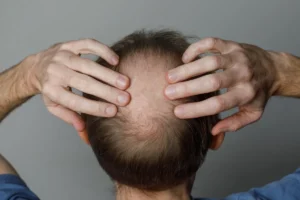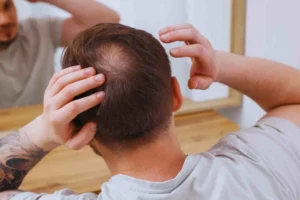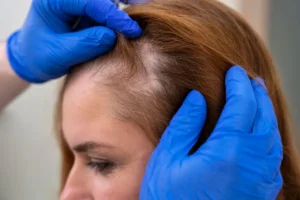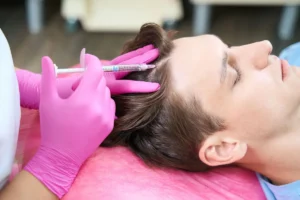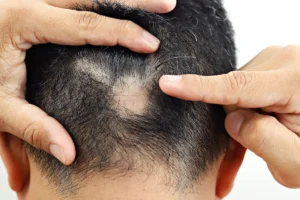
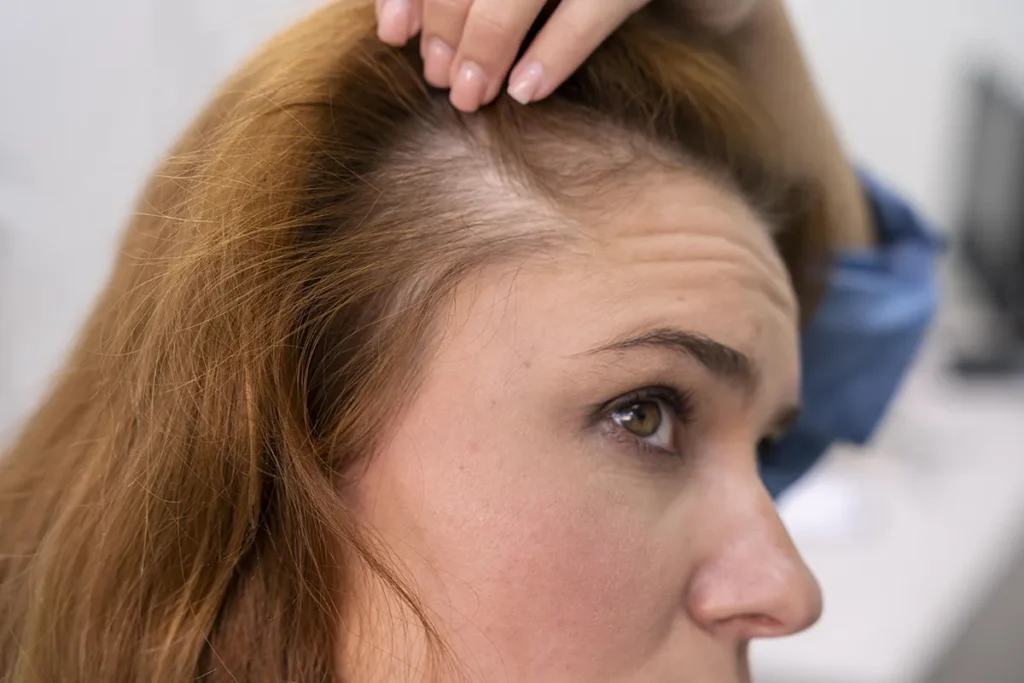
Stress can make your hair thin, and science backs it up. Studies from Harvard and the National Institutes of Health show how stress hurts hair growth. They found it affects hair at the cellular level.
Using effective stress management can stop hair loss caused by stress. It’s important to know how our emotions and hair health are connected. This knowledge helps us get our hair back to its best.
By tackling the cause of hair thinning and using the latest research, you can improve your hair health. This journey can lead to a luxury transformation in your hair.
Key Takeaways
Stress disrupts the hair growth cycle, leading to excessive shedding and thinning.
Managing stress is key to reversing hair loss caused by it.
Recent research offers clear ways to improve hair health.
Understanding the link between emotional well-being and hair health is essential.
Proven methods can help you regain your hair’s healthiest state.
Understanding Stress-Induced Hair Thinning
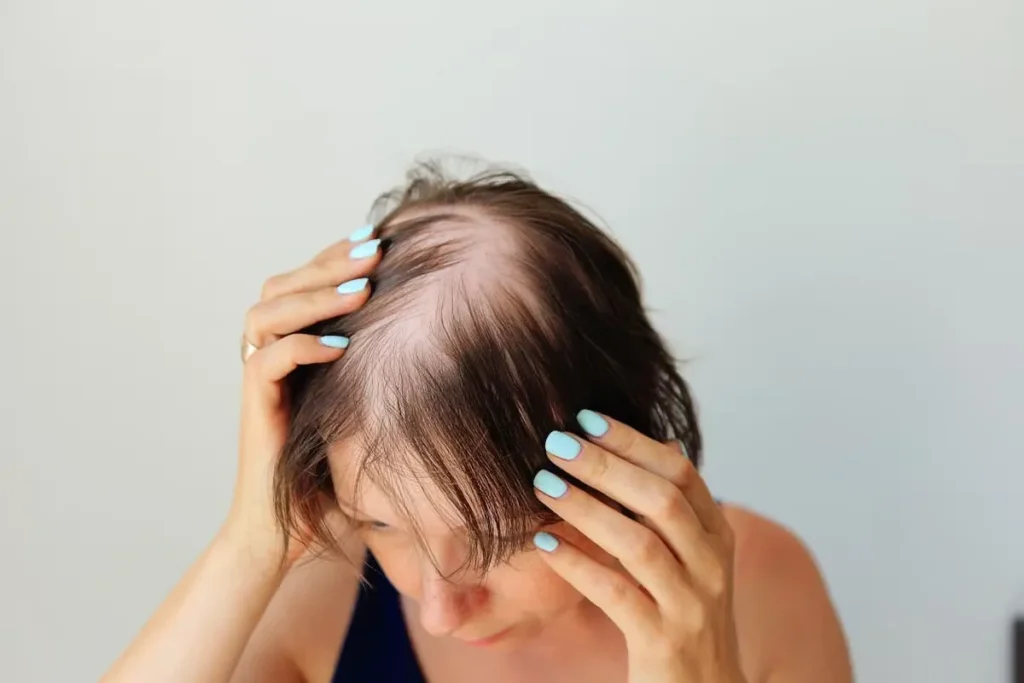
Stress can lead to hair thinning in unexpected ways. It affects our hair health through stress hormones. These hormones can disrupt the hair growth cycle.
The Biology of Stress and Hair Follicles
Chronic stress increases corticotropin-releasing hormone (CRH) and stress hormones like cortisone. These changes can harm hair follicles, causing thinning. Hair grows in cycles, but stress can stop more hairs from growing.
The biological process involves the hypothalamic-pituitary-adrenal (HPA) axis. This axis is activated by stress. It releases hormones that can slow down hair growth, making more hairs rest than grow.
Telogen Effluvium: When Stress Triggers Hair Loss
Telogen effluvium happens when stress pushes too many hair follicles into the resting phase. This leads to a lot of hair shedding, often a few months after the stress. Up to 70% of scalp hairs can be affected, causing noticeable thinning.
The good news is that telogen effluvium is often reversible. Managing stress and reducing it can help the hair growth cycle return to normal. This reduces excessive hair shedding. Knowing about telogen effluvium helps in managing stress-induced hair thinning.
How to Stop Hair Thinning From Stress: Effective Strategies

Stopping stress-induced hair loss needs a mix of physical and emotional care. Use stress management, get enough sleep, and seek help when needed. This way, you can improve your hair’s health and help it grow back.
Stress Management Techniques
Managing stress is key to stopping hair loss and helping it grow. Meditation and yoga can greatly reduce stress. Adding these to your daily life can protect your hair follicles.
Regular physical activity also helps manage stress. Exercise boosts health and can make your hair healthier. Try walking, jogging, or cycling to start exercising.
Sleep Optimization for Hair Recovery
Good sleep is vital for hair recovery. Your body repairs tissues, including hair follicles, while you sleep. Aim for 7-9 hours of sleep each night to help your hair.
To sleep better, keep a consistent sleep schedule and have a calming bedtime routine. Also, avoid screens before bed to improve your sleep.
When to Seek Professional Help
While self-care can help with stress-induced hair loss, sometimes you need a professional. If you have significant hair loss or it doesn’t get better, see a doctor.
A dermatologist or trichologist can offer personalized advice and treatments. They can find the cause and suggest topical treatments or supplements for hair growth.
Nutrition and Hair Care for Stress-Related Thinning
Stress can make your hair thin. Eating right and taking care of your hair can help. It’s important to focus on both to make your hair grow back and stop more loss.
Essential Nutrients That Combat Hair Loss
Eating a balanced diet is key for healthy hair. Certain nutrients are vital:
Protein: It helps make hair strong.
Iron: It carries oxygen to hair follicles, preventing loss.
Zinc: It keeps oil glands healthy, aiding hair growth.
Biotin: A B-complex vitamin that boosts hair growth.
Eating foods like lean meats, fish, nuts, and greens can fight hair loss from stress.
Gentle Hair Care Practices During Recovery
Being gentle with your hair is also key during recovery. Here’s how:
Stay away from harsh chemicals that harm hair.
Use less heat styling to keep hair strong.
Choose gentle, sulfate-free shampoos to keep hair moisturized.
Gentle hair care reduces breakage and helps hair grow stronger.
Supplements and Topical Treatments
Supplements and topical treatments can also help. Biotin supplements fill nutritional gaps. Topical treatments with keratin and antioxidants nourish the scalp and strengthen hair.
Always talk to a healthcare professional before trying new supplements. They can ensure they’re safe for you.
Conclusion: Recovery Timeline and Prevention
Getting your hair back after stress loss takes time, patience, and care. Most stress-related hair thinning gets better in six to twelve months. The key is to manage stress well and take gentle care of your hair.
To stop balding from stress, live a healthy life. Know the signs of stress hair loss and act early. Use stress-reducing methods, sleep well, and care for your hair gently. This helps your hair grow back and prevents more loss.
Knowing how long it takes to recover from stress hair loss is important. It’s okay to shed some hair at first. But with effort and the right steps, you’ll see your hair get better. Eat well, manage stress, and care for your hair gently. This way, you can stop losing hair from stress and have a fuller head of hair.
FAQ
What is stress-induced hair thinning, and is it reversible?
Stress-induced hair thinning, or telogen effluvium, happens when stress makes hair follicles stop growing and fall out. Yes, it can be reversed with the right stress management and hair care.
How does stress affect hair follicles?
Stress raises cortisol levels, which can mess up the hair growth cycle. This makes hair follicles rest and fall out.
What are some effective stress management techniques for hair recovery?
Meditation, yoga, and deep breathing can help manage stress and aid hair recovery. Regular exercise and a balanced diet are also key.
How can I optimize my sleep for hair recovery?
Keep a regular sleep schedule, have a calming bedtime routine, and avoid screens before bed. This improves sleep quality and helps hair recovery.
What are the essential nutrients that combat hair loss?
Biotin, vitamin D, and omega-3 fatty acids are vital for hair health. Foods like salmon, walnuts, and eggs can fight hair loss.
Can supplements and topical treatments help with stress-related hair thinning?
Yes, biotin and vitamin B supplements, along with topical treatments like minoxidil, can boost hair growth and reduce loss.
How long does it take to recover from stress-induced hair thinning?
Recovery time varies. But with the right stress management and hair care, hair growth can start again in a few months.
How can I prevent future stress-related hair loss?
Keep a healthy lifestyle, manage stress, and use gentle hair care. This can prevent future hair loss.
Will stress cause permanent hair loss?
Most stress-induced hair loss is temporary and can be reversed. But, prolonged stress can lead to ongoing hair loss if not managed.
How to stop stress-related hair loss?
Use stress management techniques like meditation and yoga. Also, optimize sleep and eat a balanced diet to stop stress-related hair loss.
What is the treatment for hair loss due to stress?
Treatment includes managing stress, taking nutritional supplements, gentle hair care, and using topical treatments like minoxidil.
Can stress hair loss be cured?
Yes, with the right stress management and hair care, stress-induced hair loss can be reversed and cured.
References
Nature. Evidence-Based Medical Insight. Retrieved from https://www.nature.com/articles/s41467-023-41776-6