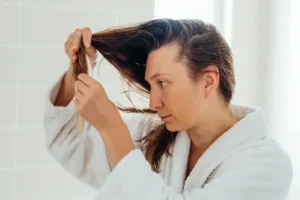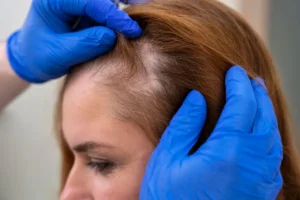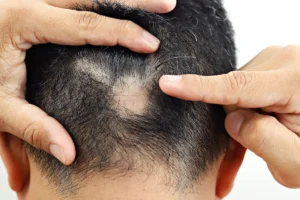
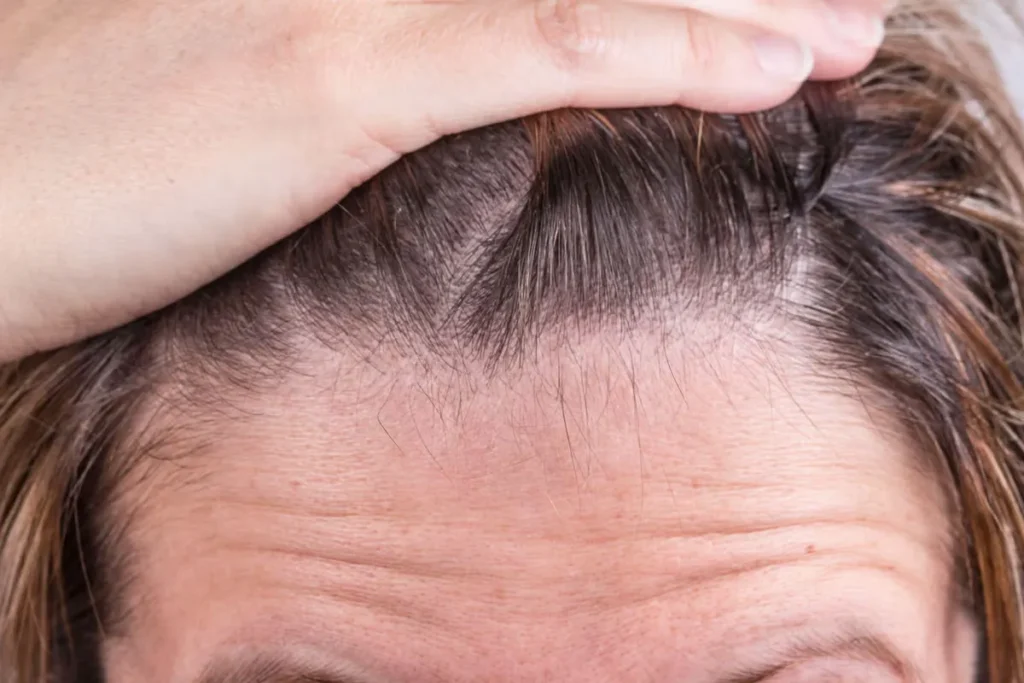
Women going through menopause often face many changes, including hair thinning. Studies show that about two-thirds of women notice their hair getting thinner and falling out more.
This can really affect how they feel about themselves. But, thanks to new medical discoveries, there are ways to stop or slow down hair loss during menopause.
It’s important to know why hair thinning happens during menopause. This knowledge helps find the best ways to get back a radiant glow and feel good about oneself.
Key Takeaways
Menopause can cause significant hair thinning and shedding.
Hormonal changes, like a drop in estrogen, lead to hair loss.
There are effective ways to manage hair loss during menopause.
Knowing why hair thinning happens is key to finding the right solution.
With the right approach, you can regain confidence and self-esteem.
Understanding Menopausal Hair Loss
Many women worry about hair loss during menopause. This is often due to big changes in hormones. When estrogen drops, hair grows shorter and thinner.
Addressing Hormonal Hair Loss
Androgen levels rising also makes hair loss worse. This is because hair follicles shrink. Knowing about these hormonal shifts helps find ways to stop hair thinning.
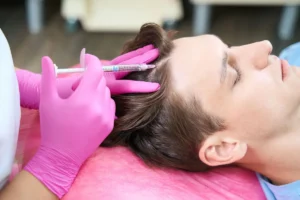
Options like minoxidil, hormone therapy, and scalp treatments can help. They aim to fix the root causes of hair loss in women going through menopause. This way, women can get back their full, healthy hair.
Yes, menopause can cause hair to thin. But, with the right treatment, women can feel beautiful and confident again.
FAQ
Is hair loss a common symptom of menopause?
Yes, many women experience hair loss during menopause. This is mainly due to lower estrogen and higher androgen levels.
How do hormonal changes during menopause affect hair growth?
Lower estrogen means hair grows shorter and thinner. Higher androgen causes hair follicles to shrink, leading to more hair loss.
What are the available treatments for hair thinning during menopause?
Treatments include minoxidil, hormone therapy, and scalp treatments. They aim to stop hair loss and encourage growth.
Can menopause cause permanent hair loss?
Menopause can cause significant hair thinning, but it’s not always permanent. With the right treatment, many women can regrow their hair.
How can I stop hair loss during menopause?
Use minoxidil, eat well, reduce stress, and consider hormone therapy. Talking to a healthcare professional can help find the best treatment.
Are there any lifestyle changes that can help manage hair thinning during menopause?
Yes, eat a balanced diet, drink plenty of water, exercise, and manage stress. Gentle hair care and avoiding heat styling also help.
Can hair loss from menopause be treated with natural remedies?
Natural remedies like biotin and essential oils may help. But, their effectiveness varies. Always talk to a healthcare professional before trying new treatments.
How long does it take to see results from hair loss treatments during menopause?
Results vary based on the treatment and individual factors. Be patient and consistent, as some treatments may take months to show results.
References
National Center for Biotechnology Information. Evidence-Based Medical Insight. Retrieved from https://pmc.ncbi.nlm.nih.gov/articles/PMC10669803/