

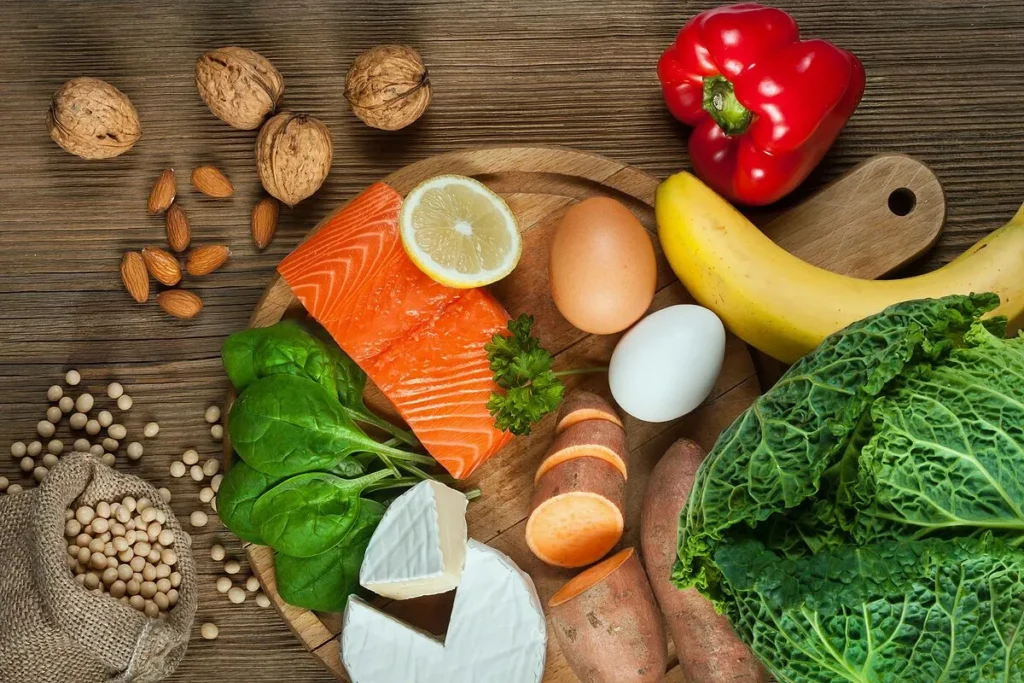
Achieving luscious locks starts with what you eat. Your hair’s health and growth depend on genetics, age, and health. But, your diet is something you can control.
Eating the right foods can greatly improve hair health. Vitamins and minerals are key for hair follicle growth. By choosing the right foods, you can grow healthier, thicker hair.
Adding essential nutrients to your diet is a luxury transformation for your hair. By focusing on hair thickening foods and foods for healthy hair growth, you can make your hair shine.
Key Takeaways
Eat a balanced diet rich in vitamins and minerals to promote hair health.
Incorporate foods known to support hair growth and thickness.
Nourish your body with nutrient-dense foods for healthier hair.
Make informed dietary choices to enhance your hair’s well-being.
Focus on whole foods to provide your hair with essential nutrients.
The Science Behind Nutrition and Hair Growth

Nutrition is key for hair growth, affecting its strength and health. A balanced diet gives hair follicles the needed building blocks. It also supports the hair growth cycle.
How Hair Follicles Depend on Nutrients
Hair follicles in the scalp grow hair and need nutrients to stay healthy. Key nutrients like vitamin D, iron, biotin, zinc, and omega-3 fatty acids are vital. Vitamin D helps create new follicles, while iron ensures they get enough oxygen for growth.
Lacking these nutrients can cause hair loss or slow growth. Iron deficiency, for example, is a common reason for hair loss in women. It’s important to get enough of these nutrients through food or supplements to keep hair follicles healthy.
The Hair Growth Cycle and Nutritional Needs
The hair growth cycle has three phases: anagen (growth), catagen (transitional), and telogen (resting). Nutrition affects the length and health of these phases. Biotin and vitamin C are important in the anagen phase for keratin production.
Different nutrients are needed at different stages of the cycle. In the anagen phase, protein, biotin, and vitamins are key for growth. In the telogen phase, good nutrition helps reduce hair shedding.
How to Support Hair Growth Through Essential Nutrients
A healthy scalp is key for growing strong hair. Certain nutrients are great for this. Eating a balanced diet with vitamins and minerals is important for hair health.
Vitamin D and Iron: Foundation for Follicle Development
Vitamin D is important for hair follicle cycling. Lack of vitamin D might lead to hair loss. Iron helps carry oxygen to hair follicles, aiding their function. You can find vitamin D in fatty fish and iron in lean meats and cereals.
Biotin and Zinc: Building Blocks for Strong Hair
Biotin helps turn protein into energy for hair growth. Zinc supports hair growth and repair. Include eggs, nuts, oysters, and beef in your diet for these nutrients.
Vitamin C and E: Antioxidant Protection for Hair
Vitamin C helps make collagen, strengthening hair. It also protects hair from damage. Vitamin E is another antioxidant that protects hair. Eat citrus fruits, berries, nuts, and spinach for these vitamins.
Omega-3 Fatty Acids: Reducing Scalp Inflammation
Omega-3 fatty acids reduce scalp inflammation. This promotes a healthy scalp for hair growth. Find these healthy fats in fatty fish, flaxseeds, and walnuts.
Adding these nutrients to your diet can help your hair grow strong. You’ll get the luxurious, radiant hair you’ve always wanted.
Top Foods That Promote Healthy Hair Growth
Eating the right foods is key for healthy hair. A diet full of important nutrients can greatly improve your hair’s health and look.
Protein-Rich Foods for Keratin Production
Hair is mostly keratin, a protein. So, eating protein-rich foods is vital for hair growth. Good sources include lean meats, fish, eggs, and dairy.
Adding these protein-rich foods to your diet strengthens hair follicles. Eggs, for example, are not just high in protein but also in biotin, which is great for hair.
Iron-Rich Foods to Combat Hair Loss
Iron-rich foods are important for preventing hair loss. They ensure your hair follicles get enough oxygen. Iron deficiency is a common cause of hair loss.
Include iron-rich foods like red meat, spinach, and beans in your diet. These foods help keep your hair healthy by supporting hemoglobin production.
Foods High in Biotin and B Vitamins
Biotin is a B-complex vitamin essential for hair growth. Foods like nuts, seeds, and eggs are rich in biotin. They help make hair stronger and prevent it from becoming brittle.
Other B vitamins in whole grains, leafy greens, and avocados also support hair health. They improve hair growth and reduce dandruff.
Zinc and Vitamin C Powerhouses
Zinc is a mineral that supports hair growth and maintenance. Foods like oysters, beef, and chicken are rich in zinc. They help repair and maintain hair tissue.
Vitamin C is also key for hair growth. It boosts collagen production and improves iron absorption. Citrus fruits, berries, and leafy greens are all high in vitamin C.
By adding these nutrient-rich foods to your diet, you can help your hair grow healthily. This will also keep your hair in good condition overall.
Conclusion: Building Your Hair-Healthy Eating Plan
Adding the right foods to your diet can help your hair grow and stay healthy. A balanced diet full of essential nutrients is key. It helps you get a radiant glow and healthy hair.
Your hair-healthy eating plan should have a variety of foods. These foods should give your hair the building blocks it needs. Eat protein-rich foods, iron-rich foods, and foods high in biotin and B vitamins. They help fight hair loss and promote healthy hair.
Vitamins and supplements can help with hair growth, but your body absorbs nutrients better from food. Making smart food choices can help you unlock your inner glow and own your beauty.
Begin your journey to healthy hair with a personalized eating plan. A balanced diet and patience can help you get the luxurious, healthy hair you want.
FAQ
What are the best foods to eat for hair growth?
Foods high in protein, iron, biotin, zinc, and omega-3s are great. Think salmon, spinach, almonds, and sweet potatoes. They help your hair grow strong and healthy.
How does vitamin D impact hair growth?
Vitamin D is key for hair follicle health. It helps control the hair growth cycle. It also fights hair loss.
Can a lack of iron cause hair loss?
Yes, iron deficiency can lead to hair loss. Iron is vital for hemoglobin. Hemoglobin carries oxygen to hair follicles, aiding growth.
What is the role of biotin in hair growth?
Biotin is a B-complex vitamin. It’s important for keratin production, a hair protein. It strengthens follicles and boosts growth.
How can I incorporate hair-healthy foods into my diet?
Add leafy greens, nuts, and fatty fish to your meals. Meal planning and prep can also help. This ensures a balanced diet.
Are there any specific diets that can help promote hair growth?
A balanced diet with whole foods is best. Include fruits, veggies, whole grains, lean proteins, and healthy fats. A Mediterranean diet is rich in nutrients and antioxidants.
Can supplements help support hair growth?
Supplements can be helpful, but talk to a healthcare professional first. They can spot nutritional gaps and suggest the right supplements.
How long does it take to see results from dietary changes?
Seeing hair growth improvements can take weeks to months. Stay patient and keep up with your new diet.
References
National Center for Biotechnology Information. Evidence-Based Medical Insight. Retrieved from https://pmc.ncbi.nlm.nih.gov/articles/PMC5315033/


