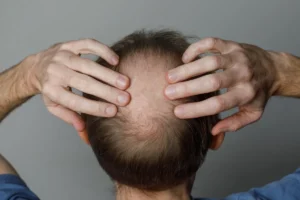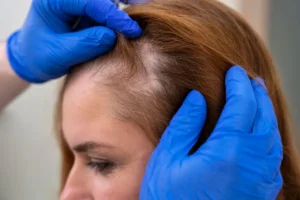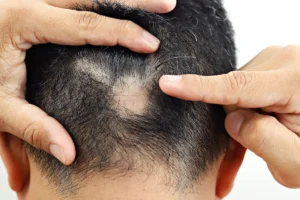

Alopecia areata, a condition that causes sudden hair loss, often makes people worry if it’s contagious. But, alopecia areata is definitively not contagious. You can’t catch it by touching someone or through the air. Knowing this is important because it can be really upsetting.
Alopecia areata is an autoimmune condition. This means your body’s immune system attacks hair follicles, causing hair loss. Understanding this is important for dealing with the condition. Knowing it’s not contagious helps people manage it better and feel more confident.
Building confidence starts with knowing about your condition. By learning about alopecia areata, you can begin managing it. This is the first step to reaching your full ability.
Key Takeaways
Alopecia areata is not contagious.
It’s an autoimmune condition causing hair loss.
Understanding its autoimmune nature is key for effective management.
Proper diagnosis and treatment can help manage the condition.
Empowering confidence through knowledge is key to dealing with alopecia areata.
What is Alopecia Areata?
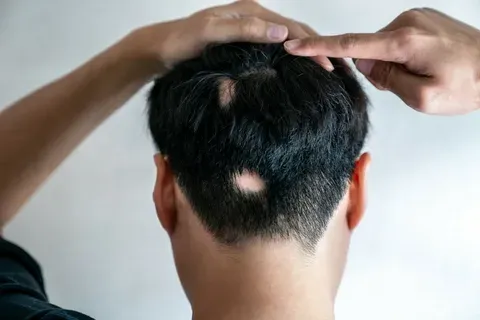
Alopecia areata is a complex autoimmune condition that causes hair loss. It affects millions of people worldwide. The condition is unpredictable, with the immune system attacking hair follicles. This leads to hair loss on the scalp and other body areas.
Definition and Clinical Presentation
Alopecia areata is an autoimmune disease that causes hair loss. It often results in round, smooth bald patches on the scalp. But it can also affect any hair-bearing area.
The condition can vary a lot among people. Some may have mild hair loss, while others may lose a lot of hair.
The condition can show up in different ways, including:
Alopecia Areata Monolocularis: Hair loss limited to one area of the body.
Alopecia Areata Multilocularis: Multiple areas of hair loss.
Alopecia Totalis: Complete hair loss on the scalp.
Alopecia Universalis: Total hair loss on the body.
Prevalence and Demographics
Alopecia areata affects about 1 in 1,000 people worldwide. Around 2% of the global population will experience it at some point. It can affect anyone, but it’s more common in people under 40.
Research shows that:
Men and women are equally likely to get alopecia areata.
It can happen at any age, but often starts in childhood or young adulthood.
People with a family history of autoimmune diseases are more likely to get it.
Knowing how common alopecia areata is helps in creating better treatment plans and support for those affected.
Is Alopecia Contagious?
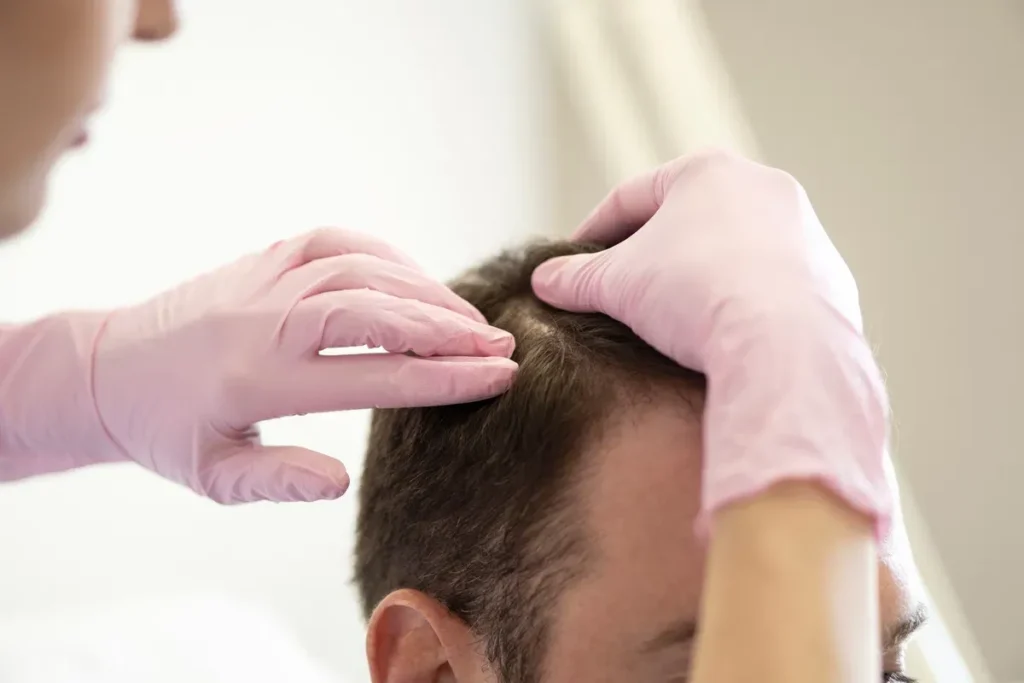
Alopecia areata is often thought to be contagious, but it’s not. It’s caused by the body’s immune system attacking hair follicles. This leads to hair loss, but it’s not something you can catch from others.
Debunking the Contagion Myth
Many think alopecia areata is contagious because they don’t understand it. But, alopecia areata is an autoimmune disease. This means the immune system mistakenly attacks hair follicles, causing hair loss.
This is good news for those with alopecia areata. It helps clear up a common worry and reduces the stigma around it.
The True Nature of Alopecia Development
Alopecia areata comes from a mix of genetics, environment, and immune system issues. It’s not spread by something outside the body.
Knowing alopecia areata is not contagious is key. It’s a condition that needs a full approach to manage. This includes medical treatment and changes in lifestyle.
By understanding alopecia areata, people can handle it better. It’s about empowering confidence and taking charge of one’s health.
The Autoimmune Mechanism Behind Alopecia
Alopecia areata is caused by the immune system attacking hair follicles. This leads to hair loss. It’s a complex issue, influenced by genetics and immune system problems.
Immune System’s Role in Hair Loss
In alopecia areata, the immune system sees hair follicles as threats. It attacks them, disrupting hair growth. T-cells are key in this process.
What triggers this immune response is not fully known. But, genetics and environment likely play a part.
Genetic Predisposition and Family History
Genetics are a big factor in alopecia areata. About 20% of those with it have a family history. This shows genetics are important.
Research has found certain genes linked to alopecia areata. These genes affect how the immune system works and targets hair follicles.
Connection to Other Autoimmune Conditions
Alopecia areata often goes hand-in-hand with other autoimmune diseases. This suggests a common cause. Conditions like thyroid disease, vitiligo, and rheumatoid arthritis are more common in those with alopecia areata.
Knowing about these connections helps us understand alopecia areata better. It could also help us find new treatments.
Conclusion
Understanding alopecia areata is key for those dealing with it. We’ve learned it’s not contagious, which helps create a supportive space for those losing hair. It’s an autoimmune condition, not caused by outside factors.
Studies show alopecia affects many people globally. While exact numbers are hard to find, it’s clear it can hit anyone, at any age. Finding ways to prevent and treat alopecia is vital for managing it and helping hair grow back.
Knowing alopecia is an autoimmune disease and linked to genetics helps us grasp its complexity. As we learn more, we’re getting closer to finding better treatments. This will greatly improve the lives of those with alopecia.
FAQ
Is alopecia areata a disease?
Yes, alopecia areata is an autoimmune disease. It happens when the immune system attacks hair follicles, causing hair loss.
Is alopecia areata an autoimmune condition?
Yes, it is. The body’s immune system attacks hair follicles, leading to hair loss.
Can alopecia come and go?
Yes, it can. Alopecia areata often has periods of hair loss followed by regrowth. Sometimes, hair loss comes and goes over time.
Is alopecia an autoimmune disease?
Yes, it is. Alopecia areata occurs when the immune system mistakenly attacks hair follicles, leading to hair loss.
Is alopecia contagious?
No, it’s not contagious. You can’t catch alopecia areata from others.
Can you prevent alopecia areata?
There’s no sure way to prevent it. But knowing about the condition and its triggers can help manage symptoms and possibly reduce hair loss risk.
Is alopecia areata related to other autoimmune conditions?
Yes, people with alopecia areata often develop other autoimmune conditions. This includes thyroid disease or vitiligo.
How many people have alopecia?
About 6.8 million people in the United States have alopecia areata. Millions more worldwide are affected.
What causes alopecia areata in women?
The exact cause is not fully understood. It’s believed to involve genetic predisposition and autoimmune factors.
Where does alopecia come from?
Alopecia areata is a complex condition. It’s thought to result from genetic, environmental, and immune system factors.
How rare is alopecia?
Alopecia areata is considered relatively rare. Yet, it’s a significant health issue affecting millions worldwide.
References
National Center for Biotechnology Information. Evidence-Based Medical Insight. Retrieved from https://pubmed.ncbi.nlm.nih.gov/28602939/