

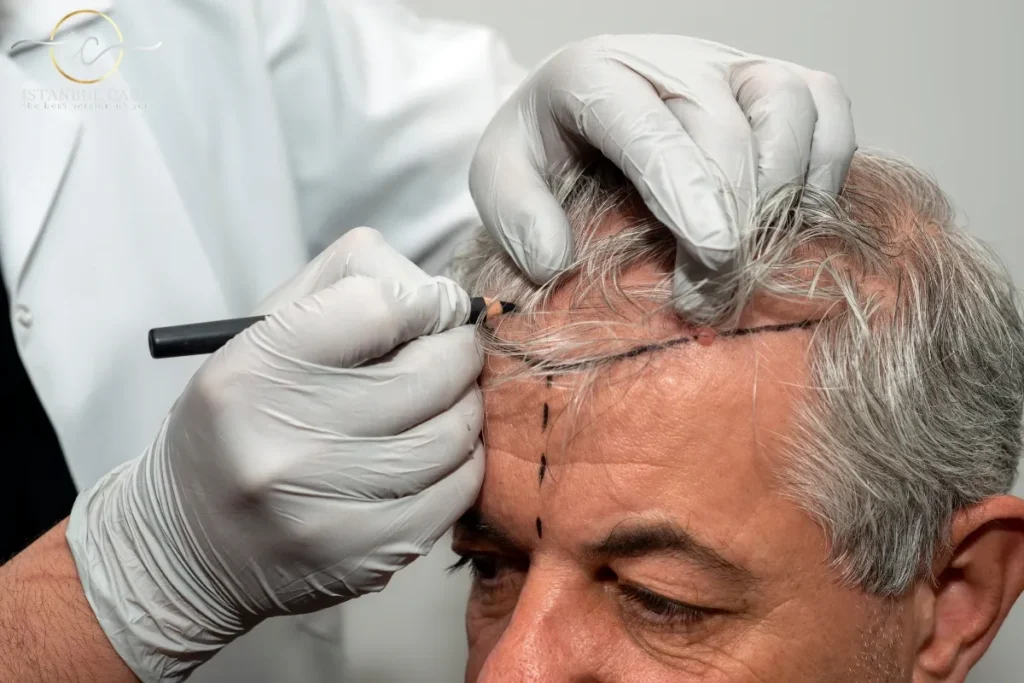
Choosing the right hair transplant method can be tough when you’re dealing with hair loss. Both DHI and FUE are top-notch options. They work well for both men and women, with success rates around 95 percent.
DHI uses a special Choi implanter pen for quick grafting. This method cuts down on handling time. FUE, on the other hand, takes follicles one by one and makes channels for them. Studies show both methods can lead to great results if done by experts.
Key Takeaways
Both DHI and FUE achieve approximately 95 percent success rates.
DHI boasts a slightly higher graft survival rate due to reduced handling and trauma.
FUE is more versatile and can be used for a wider range of hair loss patterns.
The choice between DHI and FUE depends on individual hair restoration goals.
GoldCity Center is dedicated to providing top-notch hair transplant services.
Understanding DHI and FUE Hair Transplant Techniques

It’s important to know the differences between DHI and FUE hair transplant techniques. This knowledge helps you make a better choice.
DHI and FUE are both advanced ways to restore hair. But they work in different ways. Let’s look at each method in detail.
What is DHI (Direct Hair Implantation)?
DHI uses a special tool called the Choi implanter pen. This tool lets doctors directly plant hair follicles into the scalp. No need for cuts beforehand.
The Choi implanter pen helps place hair exactly right. This makes the hairline look natural and hurts the scalp less.
What is FUE (Follicular Unit Extraction)?
FUE takes hair follicles one by one from the back of the head. Then, tiny channels are made in the balding area. The follicles are then put into these channels.
FUE takes more work than DHI because of the channel-making step. But it’s flexible and works for many hair loss types.
DHI and FUE each have their own benefits. They meet different needs and preferences. Knowing these differences helps you pick the best hair transplant method.
Is DHI Better Than FUE? Key Differences and Comparisons

When you’re thinking about hair restoration, it’s important to know the differences between DHI and FUE. Both methods are popular for helping hair grow naturally again. But they have some key differences.
Procedure Time and Graft Handling
DHI and FUE hair transplants take different amounts of time. DHI takes longer because of the detailed process of using the Choi pen to place grafts. FUE is quicker, using a tool to extract follicles and then transplanting them.
DHI is gentler with grafts because the Choi pen implants them directly. This might help more grafts survive. FUE, while faster, needs more steps, which can affect graft survival if not done carefully.
Cost Comparison: Why DHI is 40-60% More Expensive
DHI hair transplants cost 40-60% more than FUE. This is because DHI needs special equipment, like the Choi pen, and takes longer. FUE is cheaper but offers quality results, making it a good choice for those on a budget.
Suitability for Different Hair Loss Patterns
DHI is best for smaller targeted areas and is good for younger patients with early hair loss. It’s great for creating a natural-looking hairline. FUE is more flexible and works for a wide range of hair loss, making it popular for many patients.
Maximum Graft Capacity: DHI vs FUE
FUE can handle more grafts in one session than DHI. This makes FUE better for those needing a lot of hair restored. DHI, though more detailed, is great for those wanting a precise, natural hairline.
Conclusion: Choosing the Right Hair Transplant Method for Your Needs
When you think about hair restoration, it’s key to know the difference between DHI and FUE hair transplant methods. Your choice between DHI vs FUE depends on your hair loss, budget, and what you want to achieve.
DHI has a smoother process and might give better graft survival rates. Is DHI better than FUE for you? If you want a high-end experience and are ready to spend more, DHI could be the best option.
FUE, on the other hand, is a well-known method with many practitioners. When choosing between DHI or FUE, think about how severe your hair loss is, your budget, and the skill level in your area.
In the end, picking the right hair transplant method is all about what’s best for you. By understanding the main differences between DHI and FUE, you can make a choice that fits your needs and goals. This will help you achieve a glowing look and timeless beauty.
FAQ
Is DHI better than FUE for hair transplants?
Choosing between DHI and FUE depends on your needs and budget. DHI gives more control over where grafts are placed. FUE is more traditional and cheaper.
What are the key differences between DHI and FUE hair transplant techniques?
DHI uses a special tool for precise graft placement. FUE uses a traditional method for transplanting follicular units.
How do DHI and FUE compare in terms of cost?
DHI costs 40-60% more than FUE. This is because DHI uses advanced technology and special tools.
Which technique is more suitable for different hair loss patterns?
DHI is best for complex hair loss or a natural hairline. FUE works for a variety of hair loss cases.
What is the maximum graft capacity for DHI and FUE?
FUE can handle more grafts in one session than DHI. This makes FUE better for those needing many grafts.
How do procedure times compare between DHI and FUE?
DHI takes longer because of its precise implantation. FUE is quicker, mainly for smaller graft numbers.
Are the results of DHI and FUE hair transplants different?
Both can look natural. But DHI’s precision might give a more customized, dense hairline.
What are the advantages of choosing DHI over FUE?
DHI gives more control over graft placement. This can lead to a more natural look and higher density.
Can I achieve the same results with FUE as with DHI?
FUE can also give great results. But DHI’s precision is better for complex cases or specific designs.
How do I decide between DHI and FUE for my hair transplant?
Think about your hair loss, budget, and what you want. Talking to a professional can help pick the best method for you.
References
National Center for Biotechnology Information. Evidence-Based Medical Insight. Retrieved from https://pmc.ncbi.nlm.nih.gov/articles/PMC3764754/[6


