

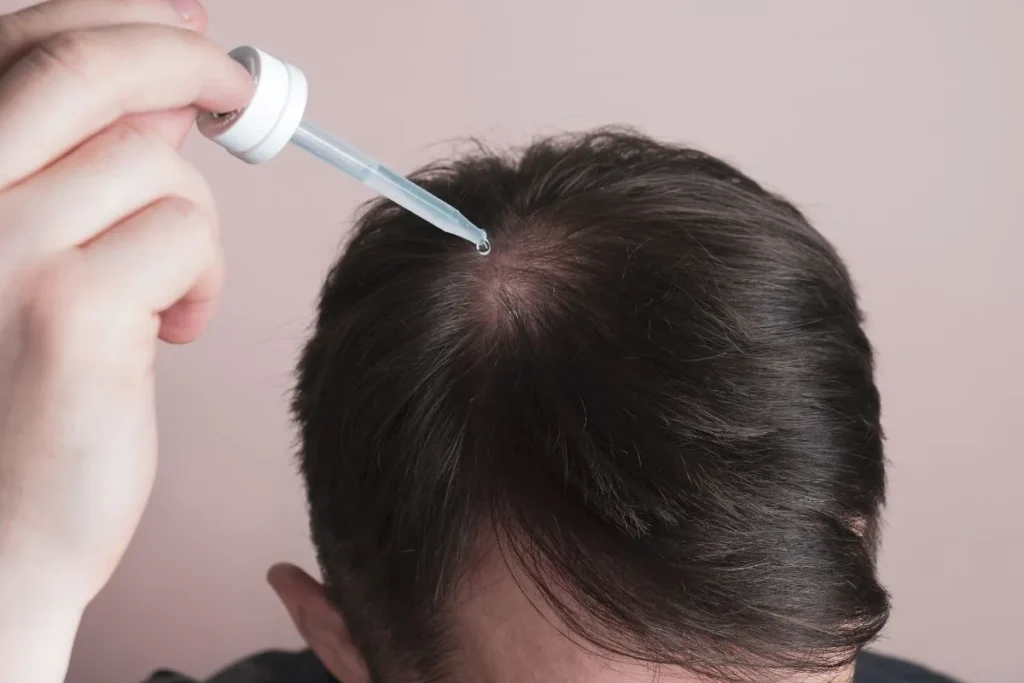
Finasteride, known as Propecia and Proscar, is used for hair loss and prostate issues. But, its safety has been debated due to side effects like depression and suicidal thoughts.
Starting in 2011, the FDA listed depression as a possible side effect. By 2022, they also recognized suicidality. It’s important to look at the latest research and updates to make smart health choices.
Key Takeaways
Finasteride’s safety profile includes risks of depression and suicidality.
FDA recognition of depression as a side effect in 2011.
Suicidality acknowledged by the FDA in 2022.
Importance of considering latest research and regulatory updates.
Understanding finasteride’s side effects is key for making informed decisions.
What is Finasteride and How Does It Work?

Finasteride is a key treatment for hair loss and prostate issues. It works by targeting the root causes of these problems.
Medical Uses for Hair Loss and Prostate Issues
Finasteride is mainly used for two health issues: male pattern baldness and an enlarged prostate. It helps slow down hair loss and even grow new hair. For an enlarged prostate, it makes the prostate smaller, improving urine flow and reducing urinary blockage risks.
Finasteride has many benefits. It:
Helps treat male pattern baldness by promoting hair growth and reducing loss.
Reduces an enlarged prostate, easing symptoms.
Improves life quality by solving both cosmetic and health problems.
Mechanism as a 5-Alpha Reductase Inhibitor
Finasteride blocks the 5-alpha reductase enzyme. This enzyme turns testosterone into DHT, a hormone linked to hair loss and prostate issues. By lowering DHT, finasteride slows hair loss and shrinks the prostate.
Here’s how finasteride works:
Blocks the 5-alpha reductase enzyme.
Reduces testosterone to DHT conversion.
Lowers DHT in the scalp and prostate.
Slows hair loss and stimulates growth, and reduces prostate size.
Understanding finasteride’s mechanism helps see its value in treating hair loss and prostate issues. Its role as a 5-alpha reductase inhibitor makes it a key treatment for men with these conditions.
Is Finasteride Safe? Examining the Evidence

To understand if finasteride is safe, we need to look at its side effects and what studies say. Finasteride helps with hair loss and prostate problems but has faced questions about its side effects.
Common Physical Side Effects
Finasteride can cause decreased libido, erectile dysfunction, and ejaculation disorders. Studies have shown these side effects are common. This makes it important to think carefully before starting finasteride.
Knowing about these risks helps patients make better choices. It’s key to understand the possible downsides before starting treatment.
Sexual Dysfunction Concerns and Reversibility
Sexual problems are a big worry for men on finasteride. Studies have found that sexual side effects can last even after stopping the drug.
But, large clinical trials also show that many men get better once they stop taking finasteride. This is a big plus when looking at the drug’s safety.
Findings from Large Clinical Trials
Big studies have given us a good look at finasteride’s safety. They’ve found that side effects can happen but usually go away with time.
The research says finasteride is generally well-tolerated by most people. But, everyone reacts differently. This is why getting advice from a doctor is so important.
Finasteride and Mental Health Risks
Finasteride is often used to treat male pattern baldness and benign prostatic hyperplasia. But, it’s linked to mental health problems like depression and thoughts of suicide. This has raised concerns about its safety.
Regulatory Recognition
Starting in 2011, the FDA has listed depression as a possible side effect of finasteride. In 2022, they also noted a risk of suicide. This shows the importance of watching for mental health issues in people taking this drug.
Understanding the regulatory stance is key to knowing if finasteride is safe. The FDA’s warnings reflect growing evidence that it might affect mental health more than thought.
FDA Adverse Event Reports Analysis (2015-2024)
Looking at FDA reports from 2015 to 2024 gives us insights into finasteride’s effects. These reports show mental health problems like depression and thoughts of suicide.
It’s essential to consider that these reports aren’t proof but help us understand the risks. They can show patterns that help both patients and doctors.
Risk Differences: Younger vs. Older Users
Studies show that younger people taking finasteride face higher mental health risks. This is important because it shows age can affect how safe the drug is.
Knowing these risk differences helps in finding ways to lower mental health risks. Doctors should keep this in mind to give better care, mainly for younger patients.
Conclusion
Finasteride is used to treat hair loss and prostate issues. But, its safety is a big concern. Recent news shows we need to know the risks of using it.
Finasteride works well for these conditions. But, it might cause depression and suicidal thoughts in some people. It’s key to think about the good and bad sides, mainly for younger users.
Knowing the signs of side effects is important. This includes changes in mental health. If you’re on finasteride and notice anything odd, talk to your doctor right away. Whether finasteride is bad for you depends on your situation. Always talk to a healthcare expert before deciding.
Keeping up with the latest finasteride news is important. This helps both doctors and patients make better choices. Knowing the risks and benefits helps everyone decide what’s best for them.
FAQ
Is finasteride safe for long-term use?
Finasteride is usually safe for long-term use. But, it’s important to know about possible side effects like depression and sexual problems. Regular check-ups with a doctor can help spot any issues early.
Can finasteride cause depression?
Yes, research shows a link between finasteride and depression. Health agencies have noted this risk. So, it’s key to watch your mental health while taking it.
What are the common physical side effects of finasteride?
Finasteride can cause low sex drive, trouble getting an erection, and issues with ejaculation. These problems often go away when you stop taking the drug.
How does finasteride work as a 5-alpha reductase inhibitor?
Finasteride blocks the conversion of testosterone to DHT, a hormone linked to hair loss and prostate problems. By lowering DHT, it slows hair loss and improves prostate symptoms.
Are there differences in risk between younger and older users of finasteride?
Yes, younger people might face different risks. They could be more likely to experience depression and suicidal thoughts. This makes it important to watch closely.
Can I stop taking finasteride if I experience side effects?
If you’re having side effects, talk to your doctor before stopping finasteride. They can help you decide if the benefits outweigh the risks.
Is finasteride available in the UK?
Yes, finasteride is available in the UK by prescription. It’s used for hair loss and prostate issues. Always follow your doctor’s advice.
Does Hims (a telehealth platform) prescribe finasteride?
Yes, Hims can prescribe finasteride for some users. But, it’s important to talk to a doctor about the risks and benefits first.
Are there any alternative treatments to finasteride?
Yes, there are other options like minoxidil and low-level laser therapy. Talk to a doctor to find the best treatment for you.
References
National Center for Biotechnology Information. Evidence-Based Medical Insight. Retrieved from https://pubmed.ncbi.nlm.nih.gov/41004169/


