

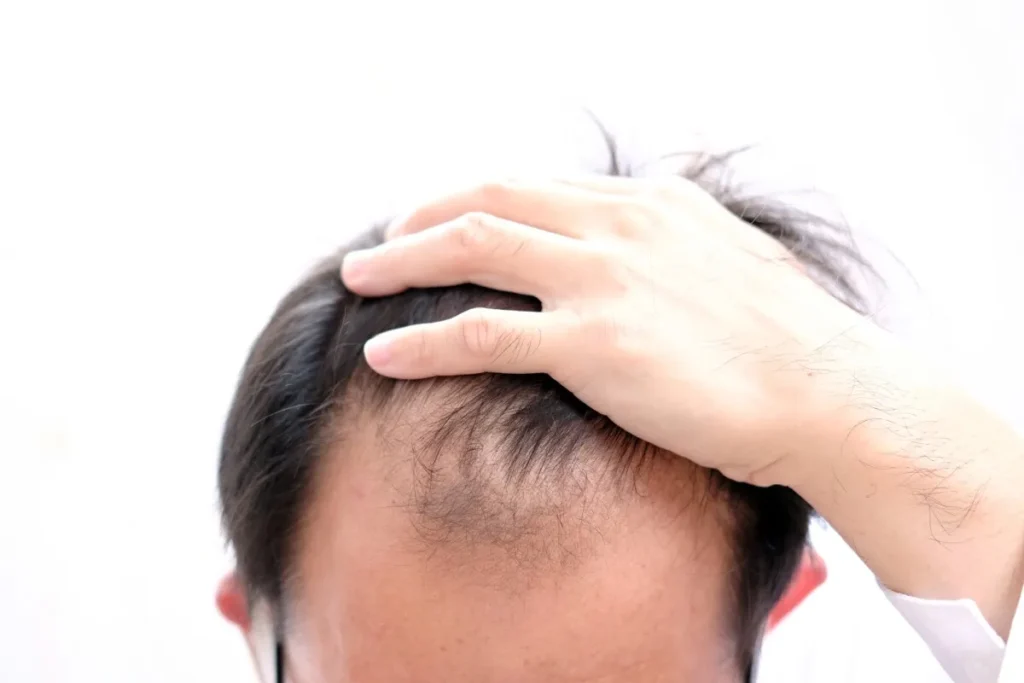
Thinking about hair restoration makes you wonder about pain. But, thanks to new medical tech, the process is quite comfy.
With local anesthesia and advanced methods like FUE, you’ll feel little pain during it. And, any soreness after is easy to handle.
Knowing what to expect about pain is key. With strong local anesthesia and skilled surgeons, most find it pretty painless.
Key Takeaways
Modern hair restoration techniques minimize discomfort.
Local anesthesia effectively numbs the scalp during the procedure.
Patients typically experience manageable soreness after the procedure.
Surgeons provide personalized pain management plans.
A relatively pain-free experience is expected with modern techniques.
Understanding Hair Transplant Surgery and Pain Perception

Thinking about hair restoration? It’s key to know about the pain linked to hair transplant surgery. This surgery moves hair follicles from one body part to another. It’s a common fix for hair loss.
Studies show local anesthesia makes the scalp numb during surgery. This greatly cuts down on pain. Follicular Unit Extraction (FUE) patients feel little pain for just one day. Follicular Unit Transplantation (FUT) patients might feel discomfort for up to three days.
What Medical Research Shows About Discomfort Levels
Medical studies say local anesthesia, like Lidocaine or Bupivacaine, is a must in hair transplant surgery. When paired with other pain relief methods, it greatly lowers pain before and after surgery. Patients often feel only a brief sting from the anesthetic shots. Then, they might feel pressure or tugging, not pain.
Key findings from studies on hair transplant discomfort include:
Minimal pain is experienced by patients during FUE procedures.
FUT patients may experience slightly longer periods of discomfort.
Effective anesthesia administration is key to less pain.
Factors That Influence Pain Sensitivity During Hair Restoration
Many things can change how much pain someone feels during hair transplant surgery. These include the surgery type (FUE or FUT), how sensitive to pain you are, and how well the anesthesia works. Talking to a surgeon about these can help you know what to expect and how to handle any pain.
Knowing these details can help you get ready for your hair restoration. It makes the experience more comfortable.
Is Hair Transplant Surgery Painful? The Procedure Experience
Many people wonder if hair transplant surgery hurts. Knowing what to expect can help ease worries and get you ready for your journey to a fuller head of hair.
Local Anesthesia Administration: What to Expect
Getting local anesthesia is key to a pain-free hair transplant surgery. Some might worry about the pain from the shots, but it’s usually short-lived. The first shot might feel sharp or sting, but it goes away fast.
Doctors use thin needles to make it less painful. They might also use tricks to distract you from the feeling.
Sensations During the Extraction Phase
After the scalp is numb, the extraction starts. People usually feel pressure or a gentle tug, not pain. This is when healthy hair follicles are taken from the donor area.
The process is detailed, but the numbness keeps you comfortable.
Implantation Process Comfort Levels
When the follicles are put into new spots, most people feel little to no pain. It might feel like a soft pressure. The skill of the surgeon and the tools used help keep it painless.
Here’s a quick look at what you might feel during the hair transplant:
Knowing what each part of the hair transplant feels like helps you prepare. Even though surgery might seem scary, the use of local anesthesia and new techniques make it a comfortable way to restore your hair.
Pain Comparison: FUE vs. FUT Techniques
Choosing between FUE and FUT hair transplant methods affects how much pain you’ll feel. Knowing the differences helps you make a better choice.
Minimal Discomfort Profile of FUE
Follicular Unit Extraction (FUE) is known for minimal discomfort. It takes out individual grafts without a big cut or stitches. This method lowers the chance of problems, leads to faster healing, and less pain after.
People getting FUE say they feel only a little pain, usually a 0 to 2 on a pain scale. Not having a big scar or stitches makes recovery easier.
Recovery and Sensation in FUT
Follicular Unit Transplantation (FUT) takes a strip of skin from the donor area. This can cause more pain after because of the scar and stitches. People might feel sore or tight, with pain levels from 1 to 4.
FUT recovery takes longer, and stitches add to the discomfort. But, new surgical methods have made things better.
Choosing between FUE and FUT depends on how you feel about pain and recovery time. Talking to a specialist can help pick the best method for you.
Conclusion: Post-Procedure Recovery and Pain Management
After a hair transplant, many wonder if it was worth it. If you’re thinking about it, knowing what to expect is key. Most people feel a bit sore or tight, but this can be eased with over-the-counter meds.
Pain after the surgery is usually mild. You can manage it with ibuprofen or paracetamol. To recover well, follow the doctor’s instructions closely. This means using cold packs, being gentle with your hair, and avoiding hard work.
So, do hair implants hurt? Or are hair plugs painful? The answer is no, thanks to new hair restoration techniques. By picking a trusted clinic and taking good care, you can avoid most issues. This way, you can enjoy your new look with little discomfort.
Deciding on a hair transplant should be well thought out. With the right care and pain control, you can get great results. This makes the question “should I get a hair transplant” a step towards feeling better about yourself.
FAQ
Does a hair transplant hurt?
Hair transplant surgery is mostly pain-free thanks to local anesthesia and new techniques. Some discomfort is normal after, but it’s usually mild. You can manage it with over-the-counter pain meds.
Is hair transplant surgery painful?
No, hair transplant surgery isn’t painful because of local anesthesia. It numbs the scalp. You might feel pressure or tugging, but pain is rare.
How painful is a hair transplant?
Pain from a hair transplant varies by person. But most say it’s barely uncomfortable. Local anesthesia and fine-needle syringes help keep pain low.
What is the difference in pain between FUE and FUT hair transplant techniques?
FUE is known for little discomfort because it extracts grafts one by one without big cuts or stitches. FUT, with its skin strip removal, might cause more pain after due to the scar and stitches.
How can I manage pain after a hair transplant?
To handle pain after, use over-the-counter meds, cold packs, and gentle hair care. Also, avoid hard work to lessen discomfort and aid in recovery.
Are hair transplants painful after the procedure?
Yes, some pain is normal after a transplant, but it’s usually mild. By following care tips and aftercare, you can reduce risks and recover smoothly.
Should I get a hair transplant if I’m concerned about pain?
If pain worries you, talk to a surgeon. They can explain what you’ll feel during and after. They’ll also help make a plan to lessen any discomfort.
References
National Center for Biotechnology Information. Evidence-Based Medical Insight. Retrieved from https://pmc.ncbi.nlm.nih.gov/articles/PMC8719980/


