

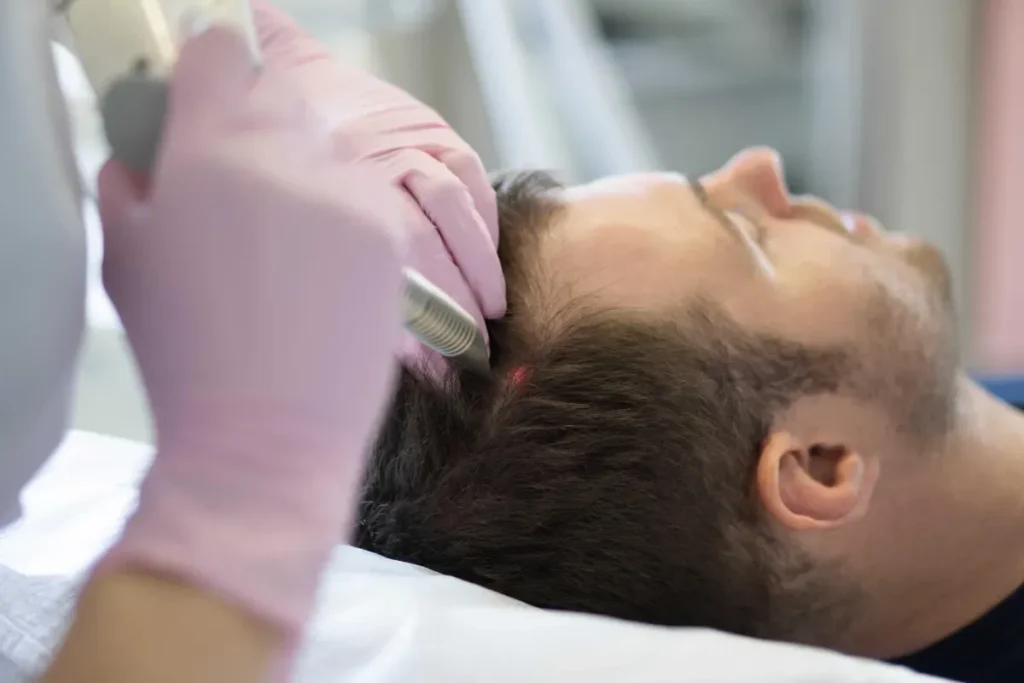
Millions worldwide struggle with alopecia, a condition that has reshaped their confidence and well-being. Until recently, treatment options were severely limited, with modest results at best. Today, breakthrough medications and innovative therapies are changing the alopecia treatment landscape. Some show unprecedented hair regrowth results and sustained efficacy.
Recent advancements in alopecia research have led to the development of FDA-approved JAK inhibitors, such as baricitinib and deuruxolitinib. Other innovative therapies like clascoterone 5% solution are also emerging. These cutting-edge treatments are redefining the possibilities for individuals affected by alopecia. They empower them to regain their confidence and unlock their inner glow.
Key Takeaways
Breakthrough medications and innovative therapies are transforming alopecia treatment.
FDA-approved JAK inhibitors show unprecedented hair regrowth results.
Clascoterone 5% solution is a promising new treatment for alopecia.
Recent advancements in alopecia research are redefining treatment possibilities.
Individuals affected by alopecia can regain their confidence with effective treatments.
Understanding Alopecia: Types and Causes

Exploring alopecia means looking into its different types, like androgenetic alopecia and alopecia areata. These conditions cause hair loss. Each type affects people differently, making it important to understand them.
What is Alopecia and Who Does it Affect?
Alopecia is hair loss from anywhere on the body. It can hit anyone, at any age, and doesn’t care about gender. Knowing who gets it and how it shows up is key to finding the right treatment.
Androgenetic Alopecia vs. Alopecia Areata
Androgenetic alopecia, or male/female pattern baldness, is the most common. It’s caused by genetics and hormones, like DHT, shrinking hair follicles. Alopecia areata, an autoimmune disease, attacks hair follicles, causing patches of hair loss. It’s not about hormones but stress, genetics, or other diseases.
Common Triggers and Risk Factors
Knowing what causes alopecia helps manage it. For androgenetic alopecia, it’s genetics, hormones, and aging. Alopecia areata is linked to stress, illness, or genetics. Knowing these can help prevent hair loss and find the right treatment.
Understanding alopecia, its types, and causes helps people find the right treatment. It’s a big step towards what to do for alopecia and feeling good about how you look.
Is There Any Cure for Alopecia? Current Treatment Options

Alopecia treatment has made big strides, giving hope to those losing their hair. While finding a cure is tough, many treatments help manage the condition and encourage hair to grow back.
Conventional Treatments for Androgenetic Alopecia
For androgenetic alopecia, doctors often suggest minoxidil and finasteride. Minoxidil is applied to the scalp to boost hair growth and slow loss. Finasteride is taken by mouth to block DHT, a hormone that leads to hair loss.
Studies show these treatments work well. Doctors often recommend them to help hair grow.
Breakthrough Treatments for Androgenetic Alopecia
New treatments for androgenetic alopecia include JAK inhibitors and topical therapies. JAK inhibitors, made for other diseases, might help hair grow by changing how the immune system works.
JAK Inhibitors: These drugs help with alopecia areata. Scientists are studying them for androgenetic alopecia too.
Treatments for Alopecia Areata
Alopecia areata, an autoimmune disease causing hair loss, has seen new treatments. Options include local immunotherapy, steroid therapy, and JAK inhibitors.
Local immunotherapy uses chemicals on the scalp to start an allergic reaction, helping hair grow.
Steroid therapy, through injections or creams, reduces inflammation and helps hair grow.
JAK inhibitors are a new hope, with many trials showing good results.
These treatments offer hope for managing alopecia areata, helping those affected by it.
Conclusion: Living with Alopecia and Future Prospects
Understanding alopecia is key to feeling confident and radiant again. While hair growth in alopecia areata is rare, many treatments can help manage it. These treatments range from traditional to new, helping people find what works best for them.
Dealing with alopecia means being proactive. With the right treatment, you can transform your look. Scientists are working on new drugs, giving hope for a cure. They’re also looking into if alopecia areata can be reversed, with promising findings.
The future of living with alopecia is bright. It’s not just about treatments; it’s about building confidence and celebrating who you are. By keeping up with alopecia research and improving your routine, you can shine. Your journey to radiant skin begins now, and with the right attitude, you can conquer the day.
FAQ
Can alopecia be cured?
There’s no sure cure for alopecia, but treatments can manage it. These treatments help hair grow back. The right treatment depends on the type and how severe it is.
What are the treatment options for alopecia areata?
For alopecia areata, treatments include corticosteroids and new options like JAK inhibitors. JAK inhibitors have shown great promise in growing hair back.
Can alopecia areata go away on its own?
Sometimes, alopecia areata can clear up by itself. But, it’s not always predictable. Hair loss might come back. Getting medical help is key to finding the right treatment.
Is there a cure for androgenetic alopecia?
There’s no cure for androgenetic alopecia. But, treatments like minoxidil and finasteride can slow hair loss. They also help hair grow back.
What is the latest research on alopecia treatment?
New research has led to topicals and JAK inhibitors for alopecia. These have shown great results in trials.
Can alopecia come and go?
Yes, alopecia areata can have phases of hair loss and regrowth. This makes it seem like it comes and goes.
Is alopecia curable with medication?
Medication can’t cure alopecia, but it can manage it. The right treatment depends on the type and how severe it is.
What can I do to treat alopecia?
To treat alopecia, you can try conventional and new treatments. Making lifestyle changes also helps. A healthcare professional can guide you to the best treatment.
Does alopecia areata go away with treatment?
Treatment can lead to significant hair regrowth for some with alopecia areata. But, results vary. It depends on the condition’s severity and treatment’s success.
Is there a treatment that can reverse alopecia areata?
Yes, treatments like JAK inhibitors can reverse alopecia areata. They promote hair growth and reduce inflammation.
References
New England Journal of Medicine. Evidence-Based Medical Insight. Retrieved from https://www.nejm.org/doi/full/10.1056/NEJMoa2110343[2


