

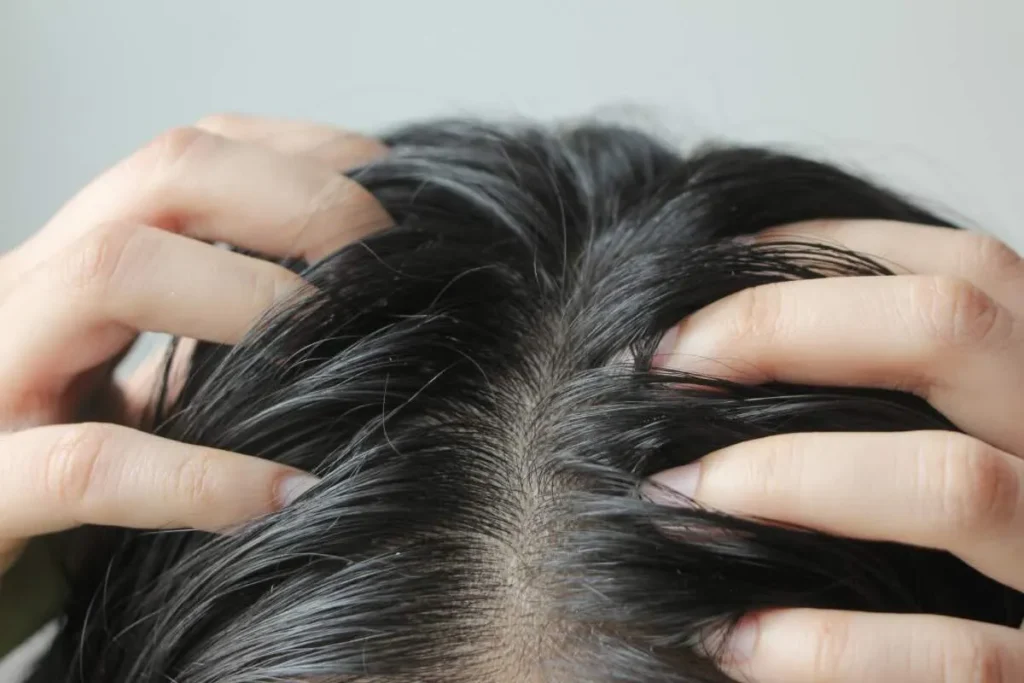
Having an itchy scalp and losing hair can be really uncomfortable and upsetting. It’s important to understand how these two issues are connected. This knowledge is key to treating and caring for your scalp effectively.
Studies show that scalp problems like seborrheic dermatitis and scalp psoriasis often cause itchiness and hair loss. By tackling these root causes, you can start on the path to a healthier scalp and fuller hair.
Key Takeaways
Identify the underlying causes of itchy scalp and hair loss
Understand the connection between scalp conditions and hair growth
Explore effective treatment options for a healthier scalp
Discover ways to promote hair regrowth and reduce hair loss
Learn how to maintain a healthy scalp and prevent future issues
Understanding the Connection Between Itchy Scalp and Hair Loss

To understand why an itchy scalp might lead to hair loss, we need to look at scalp inflammation. This inflammation can mess with the hair growth cycle. It can cause hair to thin and itch.
The Science Behind Scalp Inflammation and Hair Follicles
Scalp inflammation can make it harder for hair to stay in the follicle, leading to hair loss. Conditions like seborrheic dermatitis and scalp psoriasis can cause this inflammation. They make the scalp itch and the hair thinner.
The hair follicle is very sensitive to inflammation. When it’s affected, it can lead to alopecia areata. In this condition, the immune system attacks the hair follicles, causing hair loss. Knowing about these conditions is key to treating and preventing more hair loss.
Common Causes of Simultaneous Itching and Hair Thinning
There are several reasons why an itchy scalp and hair thinning can happen together. Seborrheic dermatitis is one, causing a red, itchy scalp and flaky skin. Scalp psoriasis is another, leading to an itchy scalp and hair loss because of fast skin cell buildup.
Seborrheic dermatitis: Causes itchy scalp and flaky skin.
Scalp psoriasis: Leads to rapid skin cell buildup, causing itching and hair loss.
Alopecia areata: An autoimmune condition causing hair loss due to inflammation.
Finding out why an itchy scalp and hair loss happen together is key to treating it. By understanding how scalp inflammation affects hair health, we can start to fix these problems.
Effective Itchy Scalp Hair Loss Treatment Options

Explore the many ways to treat itchy scalp and hair loss. Knowing the cause is key to picking the right treatment.
Medical Solutions for Different Conditions
There are many medical treatments for itchy scalp and hair loss. Medicated shampoos and topical corticosteroids are among them. Shampoos with ketoconazole or zinc pyrithione fight fungal infections and reduce inflammation. Corticosteroids help with psoriasis or eczema by reducing inflammation and itching.
Common Medical Treatments:
Natural and DIY Solutions
Looking for natural solutions? There are many options. Tea tree oil, with its antifungal properties, can be mixed into shampoos or used in scalp massages. Aloe vera also soothes the scalp and reduces inflammation.
Tea Tree Oil: Antifungal properties help control infections.
Aloe Vera: Soothes the scalp, reduces inflammation.
Coconut Oil: Moisturizes the scalp, promotes healthy hair growth.
Understanding your itchy scalp and hair loss helps you choose the best treatment. Whether it’s medical or natural, you’re on the path to better scalp health and confidence.
Conclusion: Prevention and Long-Term Scalp Health
Keeping your scalp healthy is a long-term effort. It needs dedication to good care and cleanliness. To get a shiny scalp and avoid itchiness, knowing what causes scalp problems is key.
Preventing scalp itch and keeping it healthy involves gentle care, managing stress, and the right treatments. Using soft shampoos and avoiding harsh chemicals can calm your scalp and stop irritation.
If you have a persistent itchy scalp and hair loss, seeing a doctor can help. They can give you specific advice and treatment. Taking care of your scalp can lead to a healthier scalp and fuller hair.
By following these tips daily, you can get a luxury transformation. You’ll enjoy long-term scalp health, saying goodbye to itchy scalp and rash.
FAQ
Why is my scalp itchy after a shower?
An itchy scalp after a shower can be due to many reasons. Dry skin, sensitivity to shampoo, or scalp conditions like seborrheic dermatitis or psoriasis are common causes. Using gentle shampoo and conditioner and avoiding hot water can help.
What causes itchy spots on the scalp?
Itchy spots on the scalp often come from scalp psoriasis, seborrheic dermatitis, or eczema. These conditions cause inflammation and irritation, leading to itchiness. Treatment usually involves medicated shampoos or topical corticosteroids.
How can I treat itchy scalp and hair loss?
Treating an itchy scalp and hair loss depends on the cause. Medical treatments include medicated shampoos, topical corticosteroids, and antihistamines. Natural remedies like tea tree oil, coconut oil, and apple cider vinegar can also work. It’s important to know the cause to choose the right treatment.
Why does my scalp itch when I sweat?
Sweating can make scalp conditions like seborrheic dermatitis or psoriasis worse, causing itching. Keeping the scalp clean, using antifungal shampoos, and managing sweat can help reduce itching.
What is the best shampoo for an itchy scalp?
The best shampoo for an itchy scalp varies based on the cause. For dandruff or seborrheic dermatitis, shampoos with zinc pyrithione or ketoconazole work well. For psoriasis, shampoos with salicylic acid or coal tar are recommended. Always choose a gentle, sulfate-free shampoo.
Can stress cause an itchy scalp?
Yes, stress can make an itchy scalp worse. Stress can worsen conditions like psoriasis, seborrheic dermatitis, or eczema, leading to itching and irritation. Managing stress through relaxation, exercise, or meditation can help.
How can I stop my scalp from itching?
To stop scalp itching, find and treat the cause. Use gentle, right shampoos, and try natural remedies like tea tree oil or coconut oil. Avoid scratching to prevent further irritation. If itching doesn’t go away, see a dermatologist.
Is there a link between itchy scalp and hair loss?
Yes, itchy scalp and hair loss are linked. Conditions like seborrheic dermatitis, psoriasis, and alopecia areata can cause both. Treating the underlying condition is key to addressing both issues.
What are some natural remedies for itchy scalp?
Natural remedies for itchy scalp include tea tree oil, coconut oil, apple cider vinegar, and olive oil. These have antifungal, antibacterial, or soothing properties. Always dilute essential oils and do a patch test before use.
References
National Center for Biotechnology Information. Evidence-Based Medical Insight. Retrieved from https://pubmed.ncbi.nlm.nih.gov/39361685/


