

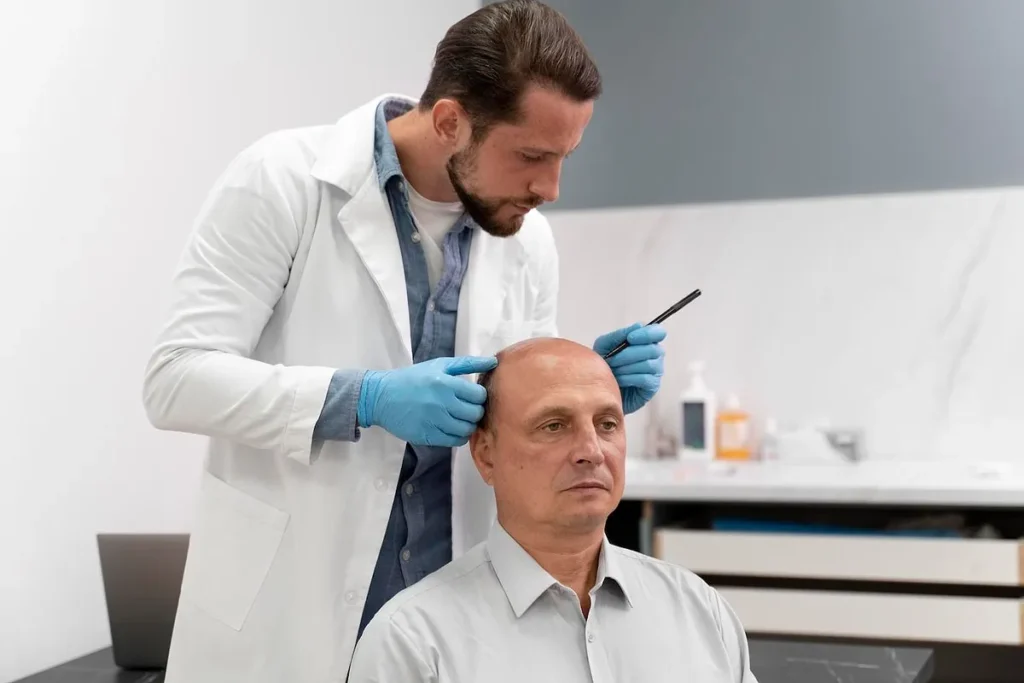
The world of hair restoration has changed a lot. This is thanks to new regenerative medicine and minimally invasive techniques. Now, patients can get better and faster results with robotic-assisted procedures and stem cell banking.
Starting in the 1950s, hair transplantation has grown a lot. We now have Follicular Unit Extraction (FUE), Follicular Unit Transplantation (FUT), and Direct Hair Implantation (DHI). Knowing about these new hair implant technologies helps you make a smart choice.
Key Takeaways
Robotic-assisted procedures enhance precision in hair transplantation.
Regenerative therapies promote natural-looking results.
Advanced imaging technology aids in personalized treatment plans.
Minimally invasive techniques reduce recovery time.
Stem cell banking offers future possibilities for hair restoration.
Understanding the Latest Hair Transplant Technology

Hair restoration is changing fast with new hair transplant tech. This change comes from better techniques and tech. It aims to give natural results with less downtime.
Evolution from Traditional to Advanced Techniques
Old hair transplant methods, like FUE and FUT, have gotten better. Now, robotic-assisted systems use AI for better precision. This means more natural results and less scarring.
Artificial intelligence has changed hair transplant tech a lot. AI picks the best follicles for transplant, making it more successful. This makes hair restoration faster and better.
Benefits of Modern Approaches for Natural Results
New hair transplant tech has big benefits. It includes minimally invasive procedures that heal faster. Refined FUE cuts down on scars and lets patients get back to life quickly.
Using Platelet-Rich Plasma (PRP) therapy with hair transplant boosts growth. Modern methods focus on natural looks. They offer personalized treatment plans and meticulous attention to detail. This makes hair restoration better and more satisfying.
Key Technologies Revolutionizing Hair Restoration

Advanced technologies are changing hair restoration, making treatments more effective and efficient. The field is seeing a big change with new solutions that improve the experience and results.
Robotic-Assisted Systems with AI Precision
Robotic systems are leading the way in hair transplant tech, bringing unparalleled precision to the table. They use AI-driven algorithms to pick the best donor hair, making the hairline look natural. AI precision cuts down on human mistakes, leading to better and more reliable transplants.
Refined FUE Techniques with Minimal Scarring
New advancements in Follicular Unit Extraction (FUE) have made a big difference. Now, FUE leaves minimal scarring and allows for quicker recovery. This method takes out individual follicles, leaving tiny scars that are hard to see.
PRP and Regenerative Therapy Enhancements
Platelet-rich plasma (PRP) therapy is a big part of new hair transplant tech. It uses the patient’s own plasma to boost hair growth and help grafts take. This therapy encourages natural hair growth and increases the density of transplanted hair.
Hair transplant tech is always getting better, thanks to ongoing research. The mix of robotic systems, improved FUE, and PRP therapy marks a big step forward in hair restoration.
How to Evaluate the Right Technology for Your Specific Needs
First, understand your hair loss and what you want to achieve. With new hair transplant technology, there are many options. Each one meets different needs and expectations.
Assessing Your Hair Loss Pattern and Restoration Goals
Knowing your hair loss pattern is key to choosing the right method. Whether it’s male or female pattern baldness, or you want a fuller hairline, your goals matter. They help pick the best technology for you.
If you want a natural look with little scarring, refined FUE techniques might be perfect. For a more advanced and precise method, robotic-assisted systems with AI precision could be the best choice.
Recovery Time and Return to Normal Activities
Think about how long you’ll need to rest after your transplant. Some methods take longer, while others let you get back to normal quickly.
Cost Considerations and Long-Term Value
Cost is important, but think about the long-term value too. Advanced technologies might cost more upfront. But they can give you better, lasting results, saving you money later.
Future-Proofing: Stem Cell Options and Emerging Treatments
The future of hair transplant includes regenerative solutions like stem cell banking and PRP therapy. These new treatments improve traditional hair transplant results and offer a more complete approach to hair care.
By considering these factors and staying updated on latest hair restoration technology, you can choose wisely. This ensures the best results for your hair restoration journey.
Conclusion: Making an Informed Decision for Lasting Results
The world of hair transplantation is always changing. It’s key to know about the latest hair transplant technology for the best results. By learning about new hair transplant methods and thinking about your needs, you can make a smart choice.
The newest hair replacement technology brings many advantages. These include less invasive methods and results that look more natural. When picking a hair transplant latest technology, think about your hair loss, what you want to achieve, and the good and bad of each option.
Being well-informed and choosing a skilled professional can lead to a more confident you. Your path to a fuller hairline begins with making an informed choice. With the right technology, you can get lasting results that boost your natural beauty.
FAQ
What is the latest hair transplant technology?
The newest hair transplant tech includes robotic systems, improved FUE methods, and PRP therapy. These advancements make hair transplants more precise and quick. They also lead to less scarring and faster healing.
How do robotic-assisted systems improve hair transplantation?
Robotic systems use AI to make hair follicle harvesting and implantation more precise. This reduces errors and boosts graft survival rates. It leads to results that look more natural.
What are the benefits of refined FUE techniques?
Refined FUE methods cause less scarring and speed up recovery. They let patients get back to normal activities quickly. This makes them a great choice for those wanting a less invasive procedure.
How does PRP therapy enhance hair restoration?
PRP therapy involves injecting platelet-rich plasma into the scalp. It stimulates hair growth and improves graft establishment. This enhances the outcome of hair transplantation, leading to healthier hair growth.
What factors should I consider when evaluating the right technology for my hair transplant needs?
When choosing hair transplant technology, think about your hair loss pattern and goals. Also, consider recovery time, cost, and long-term value. Look into emerging treatments like stem cell banking for the best results.
How do I future-proof my hair restoration with emerging treatments?
To protect your hair restoration, consider stem cell banking. It stores your stem cells for future hair restoration. This safeguards against further hair loss and ensures long-term results.
What is the role of AI in the latest hair transplant technology?
AI is key in the latest hair transplant tech, mainly in robotic systems. It boosts the precision and efficiency of hair follicle harvesting and implantation. This results in more natural-looking results and better graft survival rates.
Are the results of the latest hair transplant technology long-lasting?
Yes, the results of the latest hair transplant tech can last long with proper care. Staying updated on new developments ensures optimal results. This way, you can enjoy a fuller, healthier head of hair.
References
National Center for Biotechnology Information. Evidence-Based Medical Insight. Retrieved from https://pubmed.ncbi.nlm.nih.gov/19570044/


