

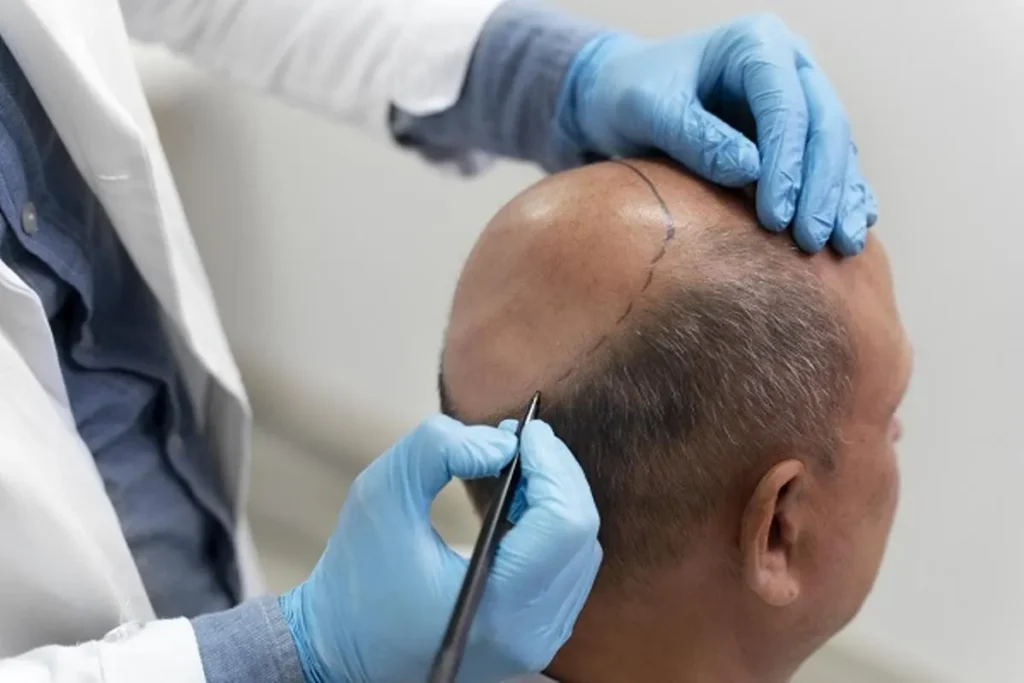
Vertex hair loss is a big problem for millions of people around the world. By the time men are 35, about 40% of them start to see their hair thinning a lot. This number jumps to 85% by the time they are 50.
It’s important to understand why this happens to find good treatments. GoldCity Center uses the latest science to help people. They offer treatments that really work, based on the best international standards.
Starting treatment early can really help stop hair thinning. There are many ways to fight hair loss. By trying these solutions, you can feel better about yourself and look more vibrant.
Key Takeaways
Vertex hair loss affects a significant percentage of men globally.
Early intervention is key to stopping hair thinning.
GoldCity Center offers innovative, evidence-based treatments for hair loss.
Understanding the science behind hair loss is essential for effective treatment.
Regaining confidence through effective hair loss solutions is possible.
Understanding Crown Hair Thinning

It’s important to know why crown hair thinning happens. This issue affects many people’s looks and confidence.
What Is Vertex Hair Loss?
Vertex hair loss, or crown hair thinning, is when hair falls out or gets thinner on the top of the scalp. It’s linked to male pattern baldness. This happens because hair follicles are sensitive to a hormone called DHT.
Men’s hair thinning on top is common. By age 50, many men have lost some hair.
How Common Is Crown Thinning?
Crown thinning is common among both men and women. Male hair thinning at the crown is a big problem. Androgenetic alopecia is a main reason for this.
Early Signs to Watch For
Spotting early signs of crown hair thinning is key. Look for a wider part line, thinning, and less hair on the crown. Crown area hair loss starts small, so check yourself often.
To keep normal top of head hair, take care of your hair, eat well, and manage stress.
Why You’re Losing Crown Hair

It’s important to know why you’re losing hair at the crown. This knowledge helps in finding a good solution. Hair thinning at the crown can come from many reasons. Finding out what causes it is the first step to fixing the problem.
Male Pattern Baldness (Androgenetic Alopecia)
Male pattern baldness, or androgenetic alopecia, is the main reason for hair loss in men. It affects about 95% of all hair loss cases. This condition makes hair thin at the crown and recede at the front.
The crown area is very sensitive to dihydrotestosterone (DHT). DHT is a byproduct of testosterone. This sensitivity makes the crown area more prone to hair loss.
Hormonal Imbalances
Hormonal changes can affect hair growth. For example, thyroid hormone imbalances can cause hair to thin. Hormonal shifts during stress or certain health issues can also lead to hair loss at the crown.
Stress and Environmental Factors
Stress, whether physical or emotional, can cause hair loss. Long-term stress can cause telogen effluvium. This is when many hair follicles stop growing and fall out, leading to a lot of hair shedding.
Other environmental factors like pollution, UV rays, and harsh styling can also make hair thin. Knowing these factors is key to tackling crown hair loss. By understanding the causes, you can start looking for a solution.
Effective Solutions to Stop Crown Hair Thinning
To fight crown hair loss, it’s key to look at many solutions. This includes medical treatments and lifestyle changes. Knowing what options are out there helps people take charge of their hair health.
Clinically Proven Treatments
For those with hair loss on the crown, proven treatments are a good choice. Finasteride is one such treatment. It stops hair loss in 83% of men after two years. It works by blocking DHT, a hormone that causes hair loss.
Finasteride: Blocks DHT production, reducing hair loss.
Minoxidil: Stimulates hair growth and slows down hair loss.
Low-Level Laser Therapy (LLLT): Enhances hair growth through laser or light-emitting devices.
Natural Approaches
Natural methods can also help with baldness in the crown area. Eating more vitamins and minerals that help hair grow is good. Reducing stress through meditation or yoga can also help.
Dietary adjustments: Focus on nutrients that promote hair health.
Stress reduction: Techniques like meditation or yoga can help minimize hair loss.
Gentle hair care: Using gentle products and minimizing heat styling can reduce damage.
When to Consult a Professional
While many treatments can be started on your own, seeing a professional is wise. This is true for those with significant crown of head thinning. A dermatologist or hair specialist can offer advice based on your hair loss and health.
By looking at both medical treatments and natural methods, people can make a plan to stop head crown hair loss. This can help them feel more confident about their looks.
Conclusion: Taking Control of Your Crown Health
Understanding and addressing hair thinning at the crown is key for a healthy head of hair. Early detection and treatment can make a big difference. There are many effective treatments out there, from proven medical solutions to natural remedies.
By finding out why your crown hair is thinning, you can start to feel more confident. This could be due to male pattern baldness or hormonal imbalances. Whether you choose medical treatments or natural options, taking care of your crown is a journey to a brighter you.
Start to shine from within and take control of your beauty. With the right steps and expert advice, you can transform your look. This transformation not only boosts your appearance but also your self-love and confidence.
FAQ
What is hair thinning on the crown, and is it normal?
Hair thinning on the crown, or vertex hair loss, is when hair on the top of your head thins or falls out. It’s more common with age but isn’t entirely normal. It can be caused by hormonal changes, genetics, and environmental stress.
How do I know if I’m experiencing crown hair thinning?
Signs of crown hair thinning include a receding hairline and a balding patch. You might also notice more hair falling out when you wash or comb your hair.
Can hormonal imbalances cause hair thinning on the crown?
Yes, hormonal imbalances, like too much dihydrotestosterone (DHT), can lead to hair thinning on the crown. DHT makes hair follicles shrink, causing hair to become thinner and shorter.
Are there any effective treatments for hair thinning on the crown?
Yes, treatments like minoxidil and finasteride have been proven to work. Natural options like low-level laser therapy (LLLT) and changing your diet can also help. Talking to a professional can help find the best treatment for you.
Can stress cause hair thinning on the crown?
Yes, stress can lead to hair thinning on the crown. High levels of cortisol from stress can disrupt hair growth, causing more shedding and thinning.
Is balding on the crown hereditary?
Yes, male pattern baldness, a common cause of crown hair thinning, often runs in families. If your family members have balded, you might be more likely to too.
How can I stop hair thinning on my crown?
To stop hair thinning, try proven treatments, natural methods, and lifestyle changes. Eating well, reducing stress, and using gentle hair care can help promote hair growth.
When should I consult a professional for hair thinning on the crown?
If you’re seeing a lot of hair thinning or balding on the crown, see a professional. A dermatologist or hair restoration specialist can offer personalized advice and treatment.
References
National Center for Biotechnology Information. Evidence-Based Medical Insight. Retrieved from https://pubmed.ncbi.nlm.nih.gov/24566563/


