

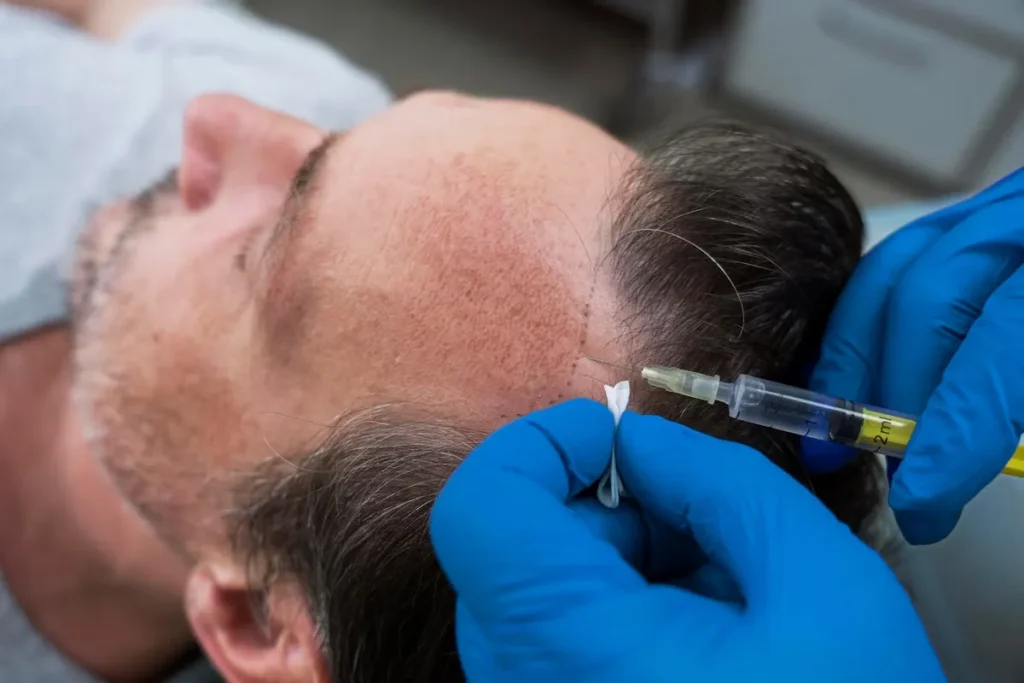
Experiencing hair loss in your early 20s can be upsetting, but you’re not alone. Studies show that up to 30% of men start losing hair before they’re 30. Many notice it in their twenties.
It’s important to know why you’re losing hair. Male pattern baldness is a big reason, but other things like health issues, stress, and not eating right also matter. Spotting hair loss early and acting fast can help keep your hair.
Clinics like GoldCity offer detailed checks and treatments. They use the newest medical methods to help patients. Learning about hair loss and treatments can help you manage your hair better.
Key Takeaways
Up to 30% of men experience hair loss before age 30.
Male pattern baldness is a leading cause of hair loss.
Lifestyle factors and medical conditions contribute to hair loss.
Early intervention is key for good treatment.
Comprehensive diagnostic services help find the real causes.
Understanding Why You’re Losing Hair at 20

Experiencing hair thinning in your 20s can be scary. But knowing the science behind it can help you deal with it. Hair loss at a young age often comes from genetics, hormones, and the environment.
The Science Behind Early Hair Loss
Androgenetic alopecia, or male pattern baldness, is behind most hair loss in men. It’s mainly caused by genetics, with hormones and dihydrotestosterone (DHT) playing big roles. DHT makes hair follicles shrink, causing hair to become thinner and shorter.
Key factors contributing to early hair loss include:
Genetic predisposition
Hormonal imbalances
Stress and nutritional deficiencies
Certain medical conditions and medications
Common Causes of Hair Thinning in Young Men
Other than androgenetic alopecia, several factors can cause hair thinning in young men. These include:
Stress: High stress levels can lead to hair loss because of increased cortisol. Cortisol disrupts the hair growth cycle.
Nutritional deficiencies: Not getting enough iron, zinc, and biotin can harm hair health.
Hairstyles: Tight hairstyles can cause hair loss by putting pressure on hair follicles.
Identifying the Early Warning Signs
Spotting early signs of hair loss is key for early action. Some common signs are:
Hair thinning at the crown and temples
A receding hairline
Excessive hair shedding
By knowing the causes and spotting early signs, young men can find treatments and ways to prevent hair loss.
Effective Treatments and Prevention Strategies

Dealing with balding at 20 means knowing about FDA-approved meds and healthy habits. Young men with hair thinning at 20 male can take steps to fight it.
FDA-Approved Medications for Early Intervention
For hair loss at 20, FDA meds are a good option. Minoxidil and finasteride are top choices. They slow hair loss and may even grow new hair.
Minoxidil is applied to the scalp to make follicles wider. Finasteride is taken to block DHT, a hormone linked to hair loss. Starting these early can really help.
It’s key for young men to talk to a doctor about the right treatment for them.
Lifestyle Modifications to Support Hair Health
Medical treatments aren’t the only way to keep hair healthy. Lifestyle changes can help too. Reducing stress, eating well, and avoiding smoking are good for your hair.
Eating a nutrient-rich diet
Staying hydrated
Minimizing heat styling
Protecting hair from the sun
When and Why to Consult a Hair Loss Specialist
While some hair loss can be managed on your own, others need a pro. A hair loss specialist can give tailored advice and advanced treatments like PRP therapy or hair transplants.
See a specialist if your hair loss is severe or runs in your family. Early help can make a big difference.
Conclusion
Experiencing hair loss in your 20s can be upsetting. But remember, you’re not alone. About 50% of men will lose some hair by age 50 if they don’t get treatment.
Knowing why you’re losing hair and acting fast can really help. If you’re noticing your hair thinning or going bald, there are ways to fix it.
Spotting early signs and trying treatments can improve your hair health. There are many options, from FDA-approved meds to changing your lifestyle. These choices are made to fit your specific needs.
Don’t let hair loss in your 20s affect how you see yourself. With the right steps and expert advice, you can keep your hair and confidence. Start addressing your hair thinning and find a solution that suits you, reducing the risk of hair loss in your 20s.
FAQ
What are the primary causes of hair loss in early 20s?
Hair loss in the early 20s can be caused by several factors. These include androgenetic alopecia, stress, not getting enough nutrients, and genetics. Knowing the cause is key to finding the right treatment.
How common is hair loss in men in their 20s?
Hair loss in men in their 20s is more common than you might think. A lot of men experience hair loss during this decade. It’s important to act fast to stop more hair loss.
What are the early warning signs of balding at 20?
Signs of balding at 20 include thinning hair at the crown and temples. You might also notice a receding hairline and more hair falling out. Spotting these signs early can help you get help sooner.
Can hair loss at 20 be treated?
Yes, hair loss at 20 can be treated. FDA-approved medicines like minoxidil and finasteride can help. Changing your diet and managing stress also support hair health.
How can I stop balding at 20?
To stop balding at 20, first figure out why you’re losing hair. Use FDA-approved treatments and make lifestyle changes. Also, talking to a hair loss specialist can be very helpful.
Why is my hair thinning at 20 male?
Hair thinning in males at 20 can be due to genetics, hormonal imbalances, stress, and not getting enough nutrients. A hair loss specialist can help find the cause.
When should I consult a hair loss specialist?
See a hair loss specialist if you’re losing a lot of hair, noticing thinning, or if your hairline is receding. They can find the cause and suggest treatments.
Are there any lifestyle changes that can help prevent hair loss?
Yes, making lifestyle changes can help prevent hair loss. Eating a balanced diet, managing stress, and using less heat styling can support hair health.
References
Losing Hair At 20: Essential Survival Tips


