

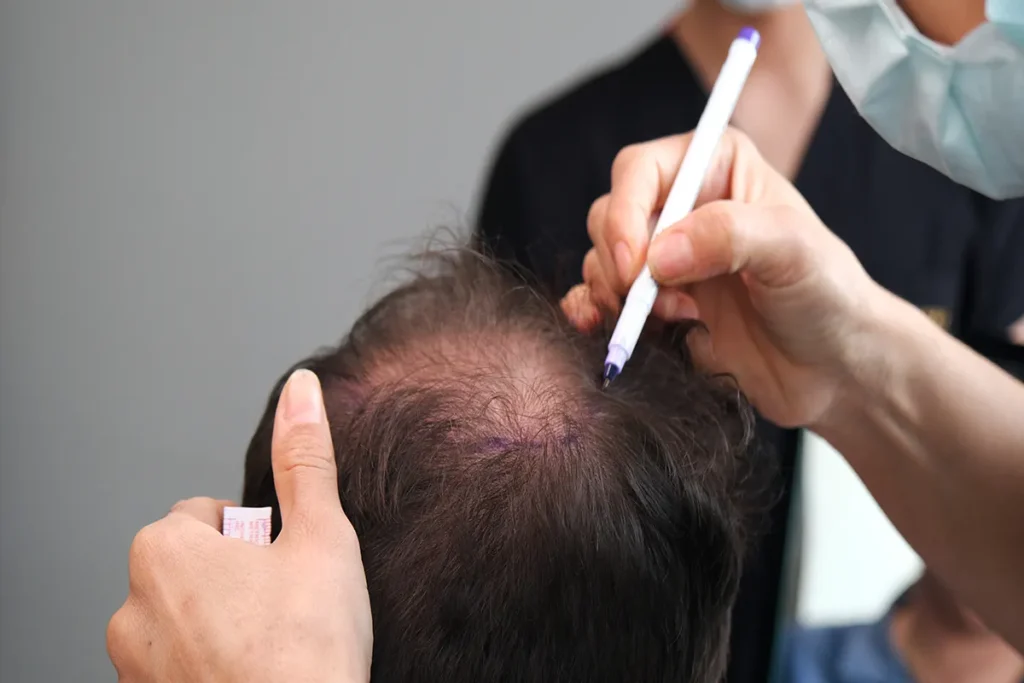
Experiencing hair loss in your early 20s can be really tough. It affects how you look and how you feel about yourself. Studies show that between 16 and 25% of men in their twenties see their hair thinning.
The Hair Restoration Institute of Minnesota says about 25% of men with hereditary baldness start showing signs before 21. Knowing why it happens and acting early can really help.
GoldCity Center knows how hard it is to deal with hair loss early on. Thanks to modern medicine, there are good ways to fight it.
Key Takeaways
Up to 25% of men experience visible hair loss before age 21.
Hereditary male pattern baldness is a common cause.
Modern medicine offers effective solutions.
Understanding the causes is key to fighting hair loss.
Acting early can make a big difference in preventing hair loss.
Understanding Why You’re Losing Hair in Early 20s

If you’re losing hair in your 20s, you’re not alone. There are several reasons for this, including genetics, hormonal changes, and lifestyle choices.
The Prevalence: Statistics and Facts
Hair loss isn’t just for older people; it’s common among young adults too. The Wimpole Clinic says about one-third of women face significant hair loss, even in their 20s. For men, male pattern baldness is a big issue, even in their early twenties.
More and more young people are losing their hair. It’s important to know the reasons behind it. Genetics, hormones, and the environment all play a part.
Common Causes: Genetics, Hormones, and Lifestyle Factors
So, why is my hair thinning at 20 male? There are many reasons:
Genetics: If your family has a history of baldness, you might be more prone to hair loss.
Hormonal Changes: Hormonal imbalances, like too much DHT, can cause hair thinning.
Lifestyle Factors: Stress, a bad diet, and certain hairstyles can also lead to hair loss.
Recognizing the Early Warning Signs
Spotting hair loss early is important. Look out for these signs:
A noticeable thinning of hair, mainly on the top of the scalp.
Excessive hair shedding when washing or combing.
A receding hairline or balding patches.
Knowing these signs can help you act fast. By understanding the causes and spotting early signs, you can find ways to stop hair loss in your 20s.
Effective Treatments to Combat Early Hair Loss

Dealing with hair loss in your early 20s needs a mix of treatments. It’s important to know what options are out there. Hair loss at this age can be tough, but there are ways to fight it.
FDA-Approved Medications: Minoxidil and Finasteride
FDA-approved meds like minoxidil and finasteride are often the first choice. Minoxidil, or Rogaine, is a cream that helps hair grow and slows loss. Finasteride, or Propecia, is a pill that stops DHT, a hormone that causes hair loss.
A study in the Journal of Clinical and Aesthetic Dermatology showed minoxidil and finasteride together improve hair density and thickness. This is good news for those losing hair.
Natural Remedies and Nutritional Supplements
Some people prefer natural ways to fight hair loss. Biotin and saw palmetto are supplements that might help hair health.
Eating right is also key to preventing hair loss. Foods with omega-3s, zinc, and vitamin D are good for your hair.
Professional Treatments: PRP, LLLT, and Hair Transplants
For serious hair loss, professional treatments can help. Platelet-rich plasma (PRP) therapy uses PRP to boost hair growth. Low-level laser therapy (LLLT) uses a special device to stimulate hair growth.
Hair transplants are a more serious option but can give lasting results. This method moves healthy hair follicles to thinning areas.
Each treatment has its own benefits. They should be chosen based on how much hair you’ve lost and what you prefer.
Lifestyle Changes to Prevent Further Hair Loss
To stop hair loss in your early 20s, you need to make healthy lifestyle choices. High stress can make your hair thinner. Try stress-reducing activities like meditation or yoga to help.
Eating a balanced diet is key. Include foods like salmon, walnuts, and spinach. They’re good for your hair. Also, avoid harsh chemicals and heat styling tools to keep your hair healthy.
If you’re losing hair at 20, focus on your overall health. Quit smoking and drink less alcohol. These changes can help keep your hair healthy and looking good.
FAQ
What are the main causes of hair loss in early 20s?
Hair loss in your early 20s can come from many sources. Genetics, hormonal imbalances, stress, and lifestyle choices are common culprits. Knowing these causes helps you tackle hair loss effectively.
Is hair loss in early 20s a common issue?
Yes, hair loss in the early 20s is quite common. Many young adults face hair loss, making it a big concern for this age group.
How can I recognize the early warning signs of balding?
Look out for a receding hairline, thinning on the crown, and more hair shedding. Spotting these signs early can help you act fast to stop hair loss.
Are there effective treatments for hair loss in early 20s?
Yes, there are many treatments for hair loss in the early 20s. Options include FDA-approved drugs like Minoxidil and Finasteride, natural remedies, and professional treatments like PRP therapy and hair transplants.
Can lifestyle changes help prevent further hair loss?
Absolutely, making lifestyle changes can greatly improve hair health. Eating well, managing stress, and gentle hair care can stop hair loss and encourage growth.
Why is my hair thinning at 20 male?
Hair thinning in males at 20 can stem from genetics, hormonal changes, and lifestyle. A healthcare professional can help find the cause.
How to stop balding at 20?
Stopping balding at 20 requires a multi-faceted approach. Use FDA-approved treatments, make lifestyle changes, and consider professional treatments. Early action is key to fighting balding.
What are the benefits of using Minoxidil for hair loss?
Minoxidil is an FDA-approved drug that boosts hair growth and slows loss. It’s a simple topical solution that has been proven to promote hair regrowth.
Can stress cause hair loss in young adults?
Yes, stress can lead to hair loss in young adults. High stress levels can put hair follicles into a resting phase, causing excessive shedding and loss.
References
National Center for Biotechnology Information. Evidence-Based Medical Insight. Retrieved from https://pubmed.ncbi.nlm.nih.gov/32884600/


