

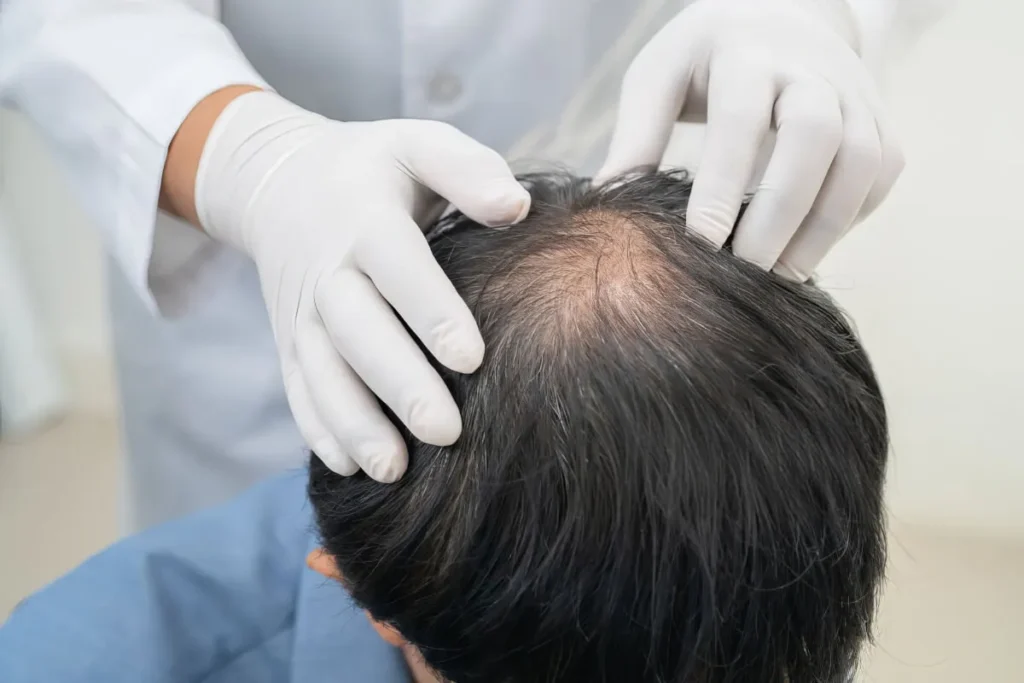
Hair loss is a big worry for many, hitting over half of men and a quarter of women by 50. The search for good thinning hair treatments has led to new research and ideas.
New ways to tackle thinning hair have shown promise, thanks to science. These methods offer hope for growing hair back and feeling confident again. They help people feel good about themselves, celebrating who they are.
Learn how these new methods tackle the real reasons for hair loss, not just the symptoms. By treating thinning hair well, people can feel better and look more vibrant.
Key Takeaways
Effective solutions for treating thinning hair are now available, backed by clinical research.
Recent advances address the underlying causes of hair loss, not just the symptoms.
Restoring hair growth can significantly boost confidence and overall well-being.
Innovative treatments offer a new lease on life for those experiencing hair loss.
Empowering confidence through effective hair loss treatments is now a reality.
Understanding Hair Thinning and Its Impact

It’s important to know why hair thinning happens and how it affects us. Hair thinning means your hair gets less dense, which can really upset you. It’s a big emotional issue for many people.
Common Causes of Hair Thinning
There are many reasons why hair thinning occurs. Androgenic alopecia, a genetic issue, is a top cause, causing hair loss in patterns. Hormonal shifts, like during pregnancy or menopause, can also make your hair thinner.
Wearing tight hairstyles, like braids or ponytails, can cause traction alopecia. Too much heat styling or chemical treatments can damage your hair, making it look thinner.
Genetic predisposition
Hormonal fluctuations
Hairstyling practices
Chemical and heat damage
The Scope of the Problem
Hair thinning can really hurt your self-esteem and confidence. It can affect many parts of your life. The emotional toll is huge, so treating hair thinning is key to your well-being.
Knowing why hair thinning happens and its effects is the first step to finding a solution. You might try medical treatments, change your lifestyle, or use new hair care products to reduce hair thinning.
Traditional Hair Loss Treatments and Their Limitations

Traditional hair loss treatments have been a common choice for many. Yet, they have their own set of limitations. People dealing with hair thinning often turn to these methods. But it’s important to know how well they work and their drawbacks.
Minoxidil: Mechanism and Efficacy
Minoxidil is a well-known treatment for hair loss. It was first used for high blood pressure but later found to help hair grow. Minoxidil works by widening blood vessels, improving blood flow to the scalp, and stimulating hair growth. But, its success can vary from person to person, and it needs to be used regularly to keep results.
A study showed minoxidil can increase hair density. But, it’s not a cure for hair loss. If you stop using it, hair loss will start again. This shows the need for ongoing treatment.
Finasteride and Other Conventional Options
Finasteride is another common treatment, mainly for male pattern baldness. It inhibits the conversion of testosterone to dihydrotestosterone (DHT), a hormone linked to hair loss. Finasteride can slow down hair loss and help hair grow, but it might have side effects like sexual problems.
Other options include low-level laser therapy (LLLT) and platelet-rich plasma (PRP) therapy. LLLT uses low-level laser or light to stimulate hair growth. PRP therapy involves injecting platelet-rich plasma into the scalp to stimulate hair growth. The success of these treatments varies, and more research is needed.
In conclusion, treatments like minoxidil and finasteride have helped many with hair loss. But, they have their own limits and side effects. It’s key to understand these treatments’ ways of working and their drawbacks for those looking to treat thin hair effectively.
Breakthrough New Treatments for Thinning Hair
The search for effective thinning hair treatments has led to big discoveries in dermatology. New solutions have emerged, promising to change how we fight hair loss.
Clascoterone is a standout, with trials showing a 539% improvement in treating thinning hair. It not only stops hair loss but also encourages new growth.
Clascoterone: 539% Improvement in Clinical Trials
Clascoterone’s success is clear from clinical data. A study showed a big boost in hair density. This makes it a major player in hair loss treatment.
PP405: UCLA’s Solution for Dormant Follicles
PP405 is another exciting find, from UCLA researchers. It wakes up dormant hair follicles, helping them grow hair naturally again.
Secretome Therapy and Regenerative Approaches
Secretome therapy is a new way to restore hair. It uses secretome, a mix of molecules, to boost hair growth and scalp health.
Regenerative therapies like secretome therapy tackle hair loss at its root. They aim to fix the problem, not just the symptoms.
The future of hair restoration is looking up. These new treatments give hope to those with thinning hair. As research keeps improving, we’ll see even more breakthroughs.
Conclusion
Thinning hair can be a big worry, but new treatments offer hope. There are now many ways to thinning hair help. From old favorites like minoxidil and finasteride to new options like clascoterone and PP405, there’s a lot to choose from.
These new treatments aim to reduce hair thinning and even stop it. They help those who are losing their hair. By learning about hair thinning and trying these treatments, you can start to grow more hair.
Getting the right treatment can make you feel more confident. Whether you want to stop your hair from thinning or keep your scalp healthy, the future is bright. By keeping up with these new options, you can improve your hair health and have a fuller head of hair.
FAQ
What are the main causes of thinning hair?
Thinning hair can come from many sources. These include androgenic alopecia, hormonal changes, and genetics. Certain medical conditions also play a role. Knowing the cause helps find the best treatment.
How does CNPDA hair treatment work?
CNPDA hair treatment uses new technology to boost hair growth. It strengthens hair follicles. The treatment uses advanced ingredients and methods to help the scalp.
What is the role of filloxane in treating thinning hair?
Filloxane is a new ingredient for thinning hair. It’s thought to stimulate hair growth and improve density. It also helps make hair healthier overall.
Are there any natural remedies for thinning hair?
Yes, many natural remedies claim to help hair grow. Saw palmetto, biotin, and keratin are popular. But, always talk to a doctor before trying new supplements.
How effective are traditional hair loss treatments like minoxidil and finasteride?
Minoxidil and finasteride are common hair loss treatments. Minoxidil boosts hair growth, while finasteride slows hair loss. But, results can vary, and they may have side effects.
What are the benefits of secretome therapy for hair loss?
Secretome therapy uses cell secretions to grow hair. It has shown to improve hair growth and density. This treatment is promising for hair loss.
Can thinning hair be treated with clascoterone?
Clascoterone is a topical treatment for thinning hair. Clinical trials show it can improve hair growth by 539%. It targets hair loss causes, making it a good option.
How can I reduce hair thinning?
To reduce hair thinning, adopt a healthy lifestyle and gentle hair care. Explore effective treatments. Understanding causes and working with a doctor helps create a personalized plan.
What is the best way to deal with thinning hair?
Dealing with thinning hair needs a holistic approach. It involves physical, emotional, and psychological aspects. Seek professional help, try treatments, and practice self-care to manage thinning hair and improve well-being.
References
National Center for Biotechnology Information. Evidence-Based Medical Insight. Retrieved from https://pubmed.ncbi.nlm.nih.gov/12399773/


