

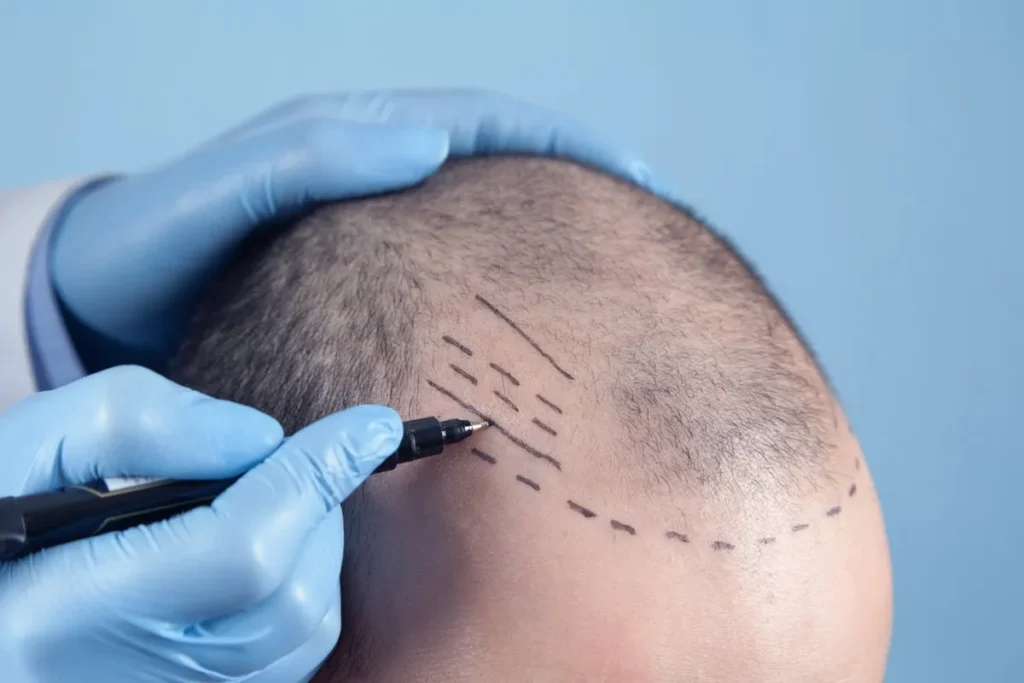
The global hair restoration market is growing fast. It’s expected to hit 18.8 billion USD by 2034. This growth comes from more people wanting non-invasive and effective ways to fix hair loss.
Non-surgical hair restoration is getting more popular. It’s seen as a natural and easy way to fix hair problems without surgery.
GoldCity Center is a trusted name in non-surgical hair replacement. We use the latest technology and care for our patients. Our goal is to give you luxurious elegance and empowering confidence with solutions made just for you.
Key Takeaways
Non-surgical hair restoration is a rapidly growing market.
Custom-designed hairpieces are used for natural-looking results.
GoldCity Center offers cutting-edge technology and compassionate care.
Non-surgical hair replacement is a low-commitment solution.
Personalized solutions are tailored to individual needs.
Understanding Non Surgery Hair Replacement

Non-surgical hair replacement is a new way to fight hair loss. It’s less scary than old-school surgery. It uses the latest tech and smart methods to make your hair look fuller.
What Defines Non-Surgical Hair Restoration
Non-surgical hair restoration means treatments that don’t need surgery. These non-invasive solutions include things like PRP therapy, LLLT, and scalp micropigmentation.
PRP therapy uses your own blood’s platelets to help your hair grow. It’s natural and safe because it comes from you.
Stimulates hair growth through injected PRP
Uses your body’s healing powers
Is easy on you with little downtime
The Growing Market for Non-Invasive Solutions
More people want non-surgical hair fixes because of new tech. The market is getting bigger. It now offers many non-surgical hair loss solutions for different needs.
More people know about non-surgical options
New tech makes treatments better
People don’t like the old surgery results
Benefits Over Surgical Alternatives
Non-surgical hair fixes have big pluses over old surgery methods. They’re safer, cheaper, and you don’t need to rest for long. This makes non-surgical hair restoration procedures a great choice for many.
The main benefits are:
They’re safer than surgery
They’re cheaper with flexible plans
You won’t have surgery scars or long recovery times
As it keeps getting better, non-surgical hair replacement is the top pick for those wanting easy, effective hair loss fixes.
Popular Non-Surgical Hair Replacement Options
Looking for a fuller head of hair without surgery is easier now. New non-surgical hair replacement options are available. They help with hair loss by stimulating growth or making hair look fuller.
Platelet-Rich Plasma (PRP) Therapy
PRP Therapy uses your own blood to help your hair grow. Your blood is processed to get platelets and growth factors. These are injected into your scalp to make your hair thicker and healthier.
Benefits of PRP Therapy include little downtime, natural results, and more hair growth. It’s a great choice for those wanting to avoid surgery.
Low-Level Laser Therapy (LLLT)
LLLT is a non-invasive treatment that uses red light on your scalp. It boosts hair growth by increasing cell activity. You can use devices like caps, helmets, or laser combs at home.
The effectiveness of LLLT comes from its ability to grow hair naturally. Regular use can make your hair look thicker and fuller.
Scalp Micropigmentation
Scalp Micropigmentation is a cosmetic tattoo that makes your hair look fuller. It’s great for those with a lot of hair loss or wanting to enhance their hair.
The procedure involves tattooing pigment into your scalp. It creates a natural-looking hairline or adds density to thinning areas.
Hair Systems and Integration
Hair systems and integration use custom-made hairpieces or mix natural hair with synthetic or human hair systems. They give immediate results and can match your hair color, texture, and style.
How to Choose and Get the Right Non-Surgical Treatment

Starting your hair restoration journey means learning about non-surgical treatments. There are many effective, non-invasive options now. Finding the right one for you is key.
Assessing Your Hair Loss Condition
First, you need to understand your hair loss. Know the cause, how much hair you’ve lost, and your health. See a healthcare professional or dermatologist who knows about hair loss for advice.
This step helps find the best treatment for you. For example, alopecia areata needs different care than male or female pattern baldness.
Finding Qualified Providers
Choosing a skilled provider is essential. Look for clinics or doctors with a good track record in hair restoration. Check their credentials, read reviews, and see before-and-after photos of their work.
The Consultation Process
The consultation is a key step. Your provider will check your hair loss, talk about what you want, and suggest treatments. Be ready to share your medical and hair loss history, and your goals.
This is your chance to ask about the treatment. Ask about side effects, success rates, and what to expect during and after.
Treatment Schedules and Maintenance Requirements
Knowing the treatment schedule and upkeep is important. Different treatments have different needs. For example, PRP therapy might need several sessions a few weeks apart, while laser therapy might be done at home regularly.
Understanding these details helps you make a smart choice. This way, you can get the best results from your non-surgical hair treatment.
Conclusion: Maintaining Your Non-Surgical Hair Replacement Results
Starting a non-surgical hair restoration journey is a big step. It helps you regain your confidence and look great. You’ve learned about non surgical hair implants and other treatments. These can change how you look and feel.
To keep your results, you need to follow up and take good care of your hair. This way, you can enjoy your new look for a long time. It makes you feel more confident and improves your life.
Remember, the success of non-surgical hair restoration depends on both the treatment and aftercare. Choosing the right treatment and following aftercare tips can give you a fuller, more vibrant hair. It boosts your self-image and personal style.
FAQ
What is non-surgical hair replacement?
Non-surgical hair replacement is a way to fix hair loss without surgery. It includes treatments like PRP therapy, LLLT, scalp micropigmentation, and hair systems.
How does PRP therapy work for hair loss?
PRP therapy uses your own blood’s growth factors. These factors are injected into your scalp to boost hair growth and strengthen follicles.
Is LLLT a proven treatment for hair loss?
Yes, LLLT is proven to help hair grow. It uses low-level laser or light to increase blood flow and density in the scalp.
What is scalp micropigmentation?
Scalp micropigmentation tattoos the scalp with dots. It makes the scalp look fuller and can hide bald spots or define the hairline.
How do I choose the right non-surgical hair replacement treatment?
The right treatment depends on your hair loss and what you prefer. It’s best to talk to a qualified provider who can help you choose.
Are non-surgical hair replacement treatments painful?
Most treatments are not painful. PRP therapy and scalp micropigmentation might cause some discomfort, but it’s usually minor and short-lived.
How long do non-surgical hair replacement results last?
Results vary by treatment. Some, like PRP therapy, may need regular sessions. Hair systems might need adjustments or replacement over time.
Can non-surgical hair replacement be used in conjunction with other hair loss treatments?
Yes, you can use these treatments together. They can work better when combined with medications or supplements.
Are non-surgical hair implants available?
There are no non-surgical hair implants. But, hair systems and integration can give similar results by adding artificial or natural hair.
What is the cost of non-surgical hair replacement treatments?
Costs vary by treatment, provider, and location. It’s best to get a quote from a qualified provider.
How do I maintain my non-surgical hair replacement results?
Maintenance depends on the treatment. A healthy lifestyle, gentle hair care, and follow-up sessions can help keep results looking good.
References
National Center for Biotechnology Information. Evidence-Based Medical Insight. Retrieved from https://pubmed.ncbi.nlm.nih.gov/29797431/


