

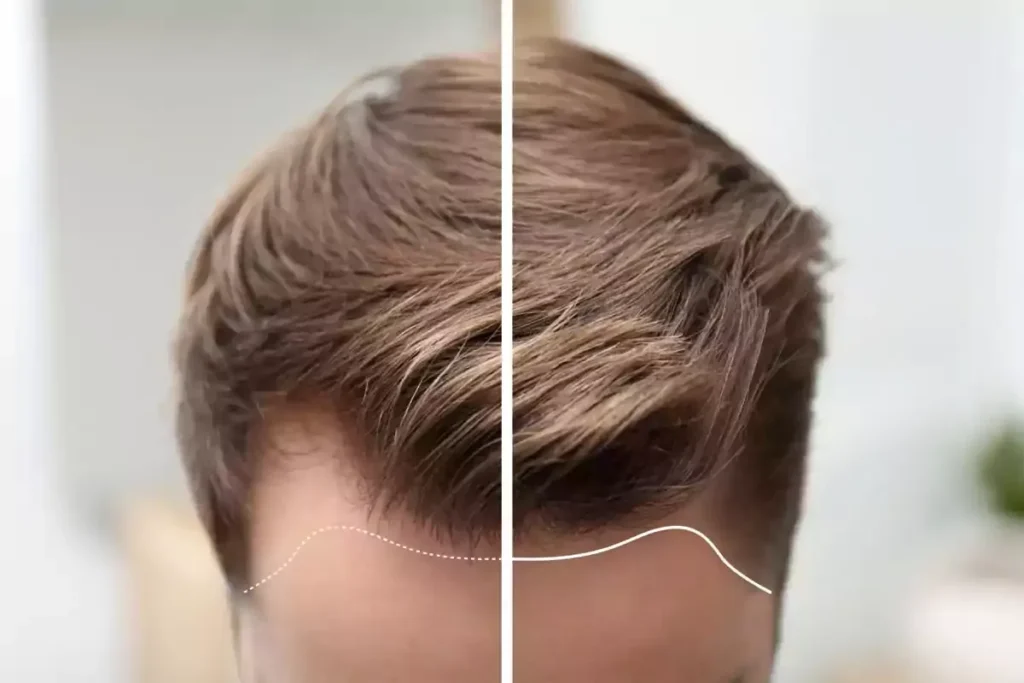
For many, hair loss can be very upsetting. It can hurt self-confidence and overall happiness. But, thanks to modern dermatology, there are now good alternatives to surgery. Innovative non-surgical solutions can help you get a full head of hair without surgery.
PRP therapy is a leading treatment. It uses platelet-rich plasma to help natural hair regrowth. Minoxidil and finasteride also work well. They have been shown to help hair grow and stop more loss.
Starting treatment early is very important. By trying these new, non-invasive methods, you can feel more confident. You can also have a fuller, healthier head of hair.
Key Takeaways
PRP therapy stimulates natural hair regrowth using platelet-rich plasma.
Minoxidil and finasteride are clinically proven to promote hair growth.
Early intervention is key for the best results.
Non-surgical solutions are a good alternative to surgery.
Getting a full head of hair can greatly improve self-confidence.
Understanding Hair Loss and When to Seek Treatment

Hair loss can be upsetting, but knowing when to get help is key. It’s a common issue that affects many, causing both physical and emotional pain.
Common Causes of Hair Loss
Hair loss comes from many sources, like genetics, hormonal changes, stress, and poor nutrition. Knowing these causes helps find the right treatment. For example, genetic hair loss, or androgenetic alopecia, can be treated effectively.
Look out for early signs like a thinning crown, widening part, receding hairline, or increased hair shedding. Spotting these signs early can lead to better treatment outcomes.
The Importance of Early Intervention
Acting fast is vital for treating hair loss. The sooner you start, the better the results. Non-surgical hair restoration offers effective solutions with few side effects.
Getting professional help early can greatly improve treatment success. Experts can offer personalized advice and plans, including non surgical hair treatment options.
Understanding hair loss causes and treating it early is the first step to a hair loss treatment with no side effects. There are many options, from medication to non-invasive procedures, to help restore your hair.
Non Surgical Hair Loss Treatment Options

Non-surgical hair treatments are changing the game for those looking to regain their hair. The field of hair loss treatment has grown a lot. Now, there are many new, non-invasive options for different needs and likes.
Medication-Based Treatments
Medications have long been a key in fighting hair loss. Minoxidil and Finasteride are well-known and proven to work. Minoxidil is applied to the scalp to boost hair growth and slow loss. Finasteride is taken by mouth to block a hormone that causes hair loss.
These drugs have been tested a lot and show promise in growing hair and stopping loss. Always talk to a doctor before starting treatment to find the best option and learn about possible side effects.
Advanced Non-Invasive Procedures
There are also new, non-invasive ways to restore hair. Platelet-rich plasma (PRP) therapy is a new treatment. It uses the patient’s own blood to inject growth factors into the scalp to grow hair.
Low-level laser therapy (LLLT) is another new treatment. It uses lasers to help hair grow by improving blood flow to the scalp.
These new treatments are not only effective but also easy on downtime. They’re great for those wanting to improve their hair without surgery.
Maximizing Your Hair Restoration Results
To get the best results from non-surgical hair restoration, you need a plan. This plan should include the right treatment and a strategy. It should also cover lifestyle changes and what to expect.
Combination Therapy Approaches
Using more than one treatment can make hair restoration more effective. For example, mixing minoxidil with PRP therapy can improve results. Combination therapy approaches tackle different hair loss issues, leading to better and lasting results.
A study showed that using minoxidil with PRP therapy led to better hair density than minoxidil alone. The group using both treatments saw a 45% increase in hair density.
Lifestyle Factors That Support Treatment Success
Living a healthy lifestyle is key to successful hair restoration. Eating well, managing stress, and getting enough sleep are all important. They help keep your hair healthy.
Eat foods high in omega-3 fatty acids and antioxidants
Use stress-reducing activities like meditation or yoga
Get enough sleep to help your hair grow
Setting Realistic Expectations and Timeline
It’s important to have realistic hopes when starting hair restoration treatments. Knowing when you’ll see results helps manage your expectations. This makes the journey more rewarding.
You might see initial results in 3-6 months
Big improvements usually happen between 6-12 months
Keep up with treatment to keep and improve your results
By using effective treatments, living a healthy lifestyle, and having realistic hopes, you can get the most out of hair restoration. You’ll end up with a fuller, healthier head of hair.
Conclusion
Non-surgical hair restoration is a great option instead of surgical hair transplants. It includes treatments like non surgical hair implants and non surgery hair replacement. These options help people feel better about their looks.
Thanks to new hair transplant non surgical methods, people can get natural-looking hair without surgery. Treatments like medication and non-invasive procedures work well for hair loss.
It’s important to talk to a professional to find the best non surgical hair loss treatment. A good treatment and a healthy lifestyle can give you a fuller, more vibrant hair. Non surgical hair restoration can change your life, making you feel more confident and radiant.
Find the best non surgical hair loss treatment for you and start your journey to a more confident, beautiful you.
FAQ
What is non-surgical hair restoration?
Non-surgical hair restoration is a way to help hair grow back without surgery. It includes treatments like PRP therapy, minoxidil, and finasteride.
What are the common causes of hair loss?
Hair loss can happen for many reasons. Genetics, hormonal changes, stress, and some medical conditions are common causes.
How effective is PRP therapy for hair loss?
PRP therapy is known to help hair grow and reduce shedding. Many people see their hair become thicker and denser.
What is the role of minoxidil in non-surgical hair restoration?
Minoxidil is a topical treatment that stimulates hair growth and slows down hair loss. It’s often used with other treatments for better results.
Are non-surgical hair loss treatments suitable for everyone?
Non-surgical hair loss treatments work for many, but not everyone. People with certain medical conditions or taking certain medications might not be suitable.
How long does it take to see results from non-surgical hair restoration?
Seeing results from non-surgical hair restoration varies. Most people start to notice improvements in a few months.
What is the difference between non-surgical hair replacement and non-surgical hair restoration?
Non-surgical hair replacement uses prosthetic hair systems to cover up missing hair. Non-surgical hair restoration aims to stimulate natural hair growth.
Can I use non-surgical hair loss treatments in combination with other hair restoration methods?
Yes, combining non-surgical hair loss treatments with other methods can enhance results. This includes low-level laser therapy or dietary supplements.
Are there any side effects associated with non-surgical hair loss treatments?
Non-surgical hair loss treatments are generally safe. But, some people might experience side effects like itching or redness, mainly with topical treatments like minoxidil.
How can I maximize my results from non-surgical hair restoration?
To get the best results, stick to your treatment plan and live a healthy lifestyle. Be patient, as results take time to show.
References
National Center for Biotechnology Information. Evidence-Based Medical Insight. Retrieved from https://pmc.ncbi.nlm.nih.gov/articles/PMC4622412/


