

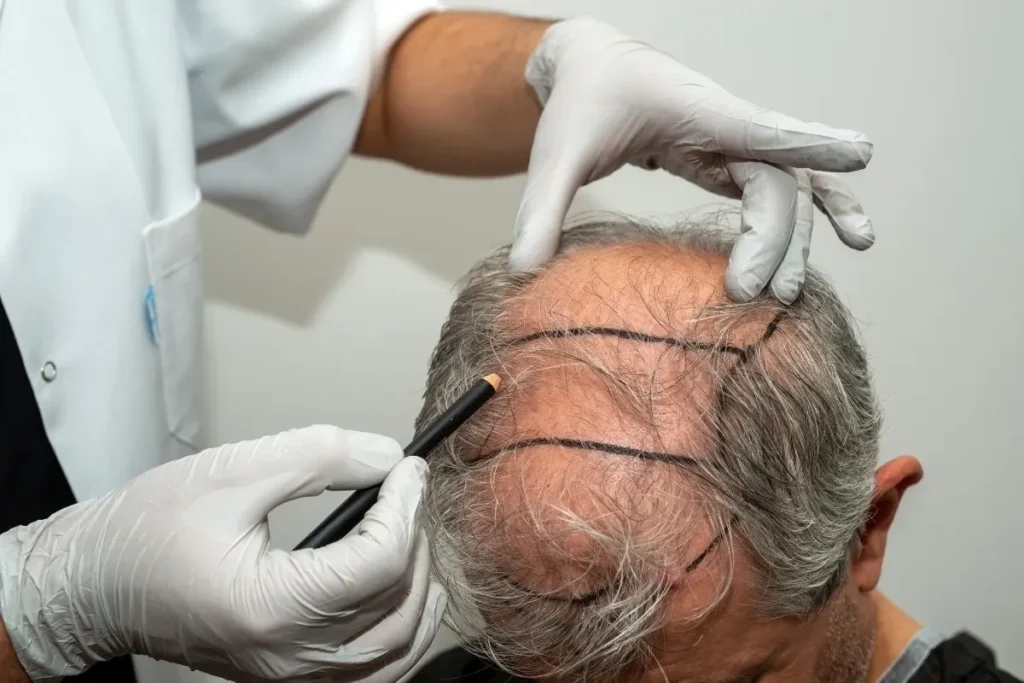
Ever wonder how much hair you lose each day? It’s a big worry for many women. Knowing what’s normal can really help. Studies say losing 50 to 100 hairs a day is okay.
Understand the normal hair fall per day female limits. Discover the shocking truth about shedding and how to keep your hair strong and thick.
Our heads have about 100,000 hair follicles. Losing some daily is just part of how hair grows. Things like how we groom and style our hair, and even the seasons, can change how much we lose.
Understanding what’s normal helps us spot problems early. It lets us take care of our hair better.
Key Takeaways
Losing 50 to 100 hairs daily is considered normal.
The average human head has around 100,000 hair follicles.
Daily shedding is a natural part of the hair growth cycle.
Grooming practices and styling routines can influence hair loss.
Seasonal changes can also impact the amount of hair lost daily.
Understanding Normal Hair Fall Per Day Female

Daily hair shedding is a natural process. But what’s considered normal hair fall per day for females? It’s all about knowing the average numbers and what affects them.
Average Hair Loss Numbers
On average, a person loses between 50 to 150 hairs per day. This is seen as normal. The actual number can change based on hair length and thickness. For example, people with thicker or longer hair might lose more, around 150 to 200 hairs daily.
Factors Affecting Daily Hair Shedding
Many things can change how much hair you shed each day. Hair type, how you groom it, and your styling habits all matter. For instance, daily activities like shampooing, brushing, and styling can make more hairs fall out.
Also, hair care practices like using heat tools or tight hairstyles can affect shedding. Knowing these factors helps you take better care of your hair.
The Hair Growth Cycle and When to Be Concerned

The hair growth cycle has many phases. Knowing these phases helps you spot problems early. Hair grows in cycles, and understanding these cycles is key to knowing what’s normal when it comes to hair loss.
The Four Phases of Hair Growth
The natural hair growth cycle has four phases: anagen, catagen, telogen, and exogen. The anagen phase, or growth phase, lasts 2 to 6 years. During this time, hair grows actively.
Then, the catagen phase is a short transitional period lasting about 2-3 weeks. Hair growth stops here. The telogen phase, or resting phase, lasts about 3 months. After this, the hair is shed. The exogen phase is the shedding phase, where the hair is released from the scalp.
Losing 50 to 100 hairs per day is normal. This is part of the hair growth cycle. Factors like hair type, brushing and washing habits, styling routines, and even seasonal changes can influence daily shedding.
Signs of Abnormal Hair Loss
While some hair loss is normal, there are signs that may indicate abnormal hair loss. These include:
Excessive shedding, if not accompanied by regrowth
Bald patches or thinning areas on the scalp
Changes in hair texture or quality
If you’re experiencing any of these symptoms, it’s essential to consult a healthcare professional or dermatologist for advice.
Female Pattern Hair Loss
Female pattern hair loss affects over 50% of women over 50. It’s characterized by thinning hair, mainly on the top and crown of the scalp. Early intervention and proper care can help address this condition.
Understanding the hair growth cycle and recognizing abnormal hair loss signs empowers you to take control of your hair health. By knowing what’s normal and what’s not, you can seek timely advice and treatment to maintain a healthy, full head of hair.
Conclusion
Knowing how much hair loss is normal each day is key. Losing 50-100 hairs daily is usually okay. It’s about knowing the difference between normal shedding and health issues.
Understanding how much hair you lose daily helps you take care of your hair better. Gentle hair care, a balanced diet, and managing stress are important. They help your hair grow strong and healthy.
Knowing what’s normal in hair loss helps you watch your hair’s health. This knowledge lets you choose the best hair care. It keeps your scalp healthy and your hair looking great.
Living a healthy lifestyle is good for your hair. Eating well and managing stress can prevent too much hair loss. This way, you can have beautiful hair and feel confident and loved.
FAQ
What is considered a normal amount of hair to lose per day?
Losing 50 to 150 hairs daily is normal. This can change based on hair length and thickness.
Is it normal for hair to fall out every day?
Yes, losing some hair daily is natural. It’s part of the hair growth cycle.
How much hair do we lose every day, and what influences it?
Most people lose 50 to 150 hairs daily. This can vary based on hair type, grooming, and styling.
Does hair length or thickness affect daily hair shedding?
Yes, longer or thicker hair sheds more. This is because there’s more hair to shed.
Can daily activities like shampooing and brushing affect hair loss?
Yes, activities like shampooing, brushing, and styling can cause hair loss. They can dislodge hairs that are already shedding.
What are the phases of the hair growth cycle?
The hair growth cycle has several phases: anagen, catagen, telogen, and exogen.
How long does the anagen phase last?
The anagen phase, where hair grows, lasts from 2 to 6 years.
What are the signs of abnormal hair loss?
Signs of abnormal hair loss include excessive shedding, bald patches, or changes in hair texture.
What is female pattern hair loss, and how common is it?
Female pattern hair loss affects over 50% of women over 50. It’s a common condition.
How can I promote healthy hair growth and reduce excessive hair loss?
For healthy hair, use gentle hair care, eat a balanced diet, and manage stress. These steps help reduce excessive hair loss.
References
National Center for Biotechnology Information. Evidence-Based Medical Insight. Retrieved from https://www.ncbi.nlm.nih.gov/books/NBK513312/[3


