

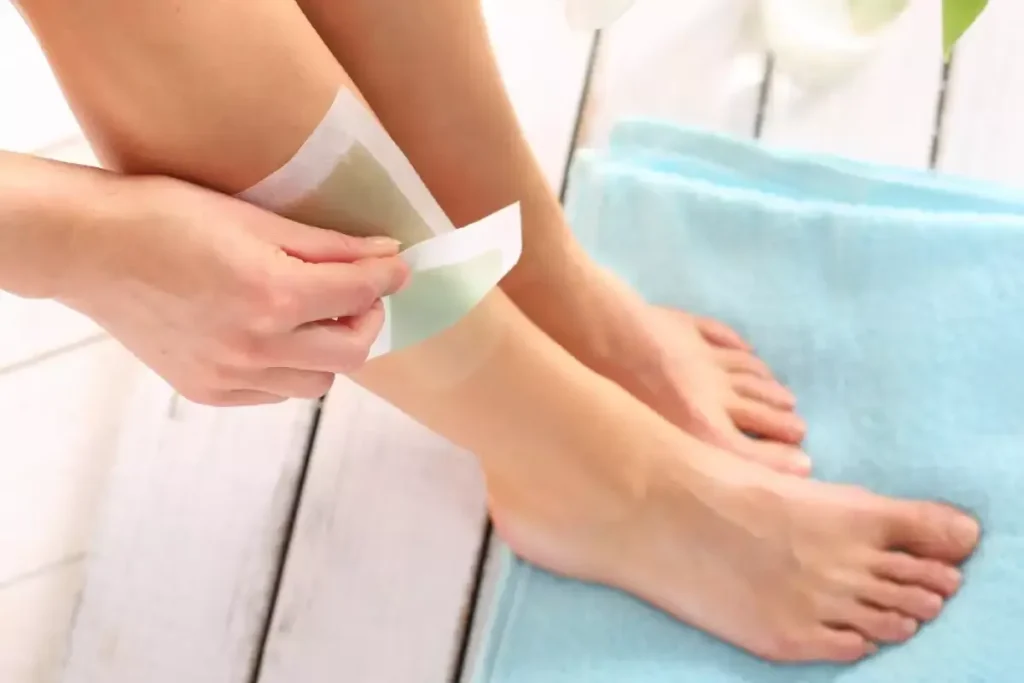
Seeing hair loss on your legs can worry you, but you’re not alone. This issue, known as anterolateral leg alopecia, affects many people globally. Studies show that up to 35 percent of men face leg hair loss at some point in their lives.
Patchy hair on legs can be worrying. Follow our vital success tips to identify the cause and use powerful treatments to restore hair growth.
The reasons for losing hair in legs vary widely. They can be simple or serious health problems. Knowing what causes it is key to finding a solution.
Key Takeaways
Anterolateral leg alopecia is a common condition affecting both men and women.
Up to 35 percent of men experience some form of leg hair loss.
The causes of leg hair loss can be benign or indicative of underlying health concerns.
Understanding the causes is critical for effective treatment.
Medical professionals use advanced diagnostic techniques to identify the root cause.
Understanding Leg Hair Loss

Leg hair loss, or anterolateral leg alopecia, affects both men and women. It shows as hair loss on the front and sides of the legs. Knowing about this condition helps those who are worried about it.
What is Anterolateral Leg Alopecia?
Anterolateral leg alopecia means hair loss on the legs’ front and sides. It might show a health problem, like Peripheral Artery Disease (PAD). PAD is a circulatory issue that can cause hair loss on the legs.
The reasons for anterolateral leg alopecia are complex. Hormones, blood flow, and genetics play a part. Seeing it as a sign of blood vessel health is important.
Prevalence in Men vs. Women
Men are more likely to have anterolateral leg alopecia. Hormones, lifestyle, and health risks differ between men and women. This is why men are more often affected.
Knowing the differences helps in diagnosing and treating. Spotting the signs early can help fix health problems before they get worse.
Causes of Patchy Hair on Legs

It’s important to know why hair loss happens on legs. This issue can be linked to many health problems. These include hormonal imbalances and circulatory issues.
Hormonal Imbalances
Hormonal changes can affect hair growth on legs. Too much androgens or not enough estrogen can cause thinning hair. For example, PCOS in women and low testosterone in men can lead to these imbalances.
Circulatory Problems and Peripheral Artery Disease
Circulatory problems, like PAD, can also cause hair loss. PAD narrows arteries, cutting off blood to limbs. This means hair follicles don’t get the oxygen and nutrients they need, leading to hair loss. Diabetes and smoking can also cause poor circulation and hair loss.
Autoimmune Conditions and Other Medical Factors
Autoimmune diseases, like alopecia areata, can cause hair loss on legs. In alopecia areata, the immune system attacks hair follicles. Other conditions, like thyroid disorders and nutritional deficiencies, can also cause hair loss.
Knowing the causes of leg hair loss is the first step to fixing it. It’s key to talk to a doctor to find out why and how to treat it.
Diagnosing and Treating Leg Hair Loss
Starting to fix hair on legs disappearing means first figuring out why it’s happening. Finding the cause is key to treating it right. Doctors do a full check-up to find out what’s causing the hair loss.
Medical Evaluation Process
A doctor will start by looking you over and asking about your health history. They might do tests like the ABI test, ultrasound, and angiogram. These help check how well blood flows to your legs.
Professional Treatment Options
Based on what the doctor finds, treatments for men leg hair loss might include small procedures. For example, angioplasty and stent placement can help blood flow better.
Angioplasty: A procedure to widen narrowed or obstructed arteries.
Stent Placement: Involves placing a small, mesh tube to keep the artery open.
Home Remedies and Lifestyle Changes
Along with doctor’s treatments, some home steps and lifestyle changes can help with loss of hair on legs men. Eating well, staying active, and not smoking are good starts.
By mixing medical care with these healthy habits, you can work on fixing a hairless patch on leg and improving your leg’s health.
Conclusion
Dealing with patchy hair on legs is key for skin health and confidence. Hair loss on legs can be really tough for women, affecting how they see themselves and their beauty routines.
Getting help early can make a big difference. It can improve how you look and feel. Knowing the reasons behind no hair on legs, like hormonal or circulatory problems, helps find the right treatment.
There are many ways to fight leg hair loss. Professional treatments, home remedies, and lifestyle changes can help. Taking action can bring back your legs’ natural beauty and shine.
Using the latest treatments and approaches can lead to amazing results. Let’s work together to bring out your inner glow and own your beauty by tackling leg hair loss.
FAQ
What is anterolateral leg alopecia?
Anterolateral leg alopecia is hair loss on the legs, mainly on the outer and front sides. It can happen to both men and women. It causes patchy or complete hair loss on the legs.
Why is my leg hair falling out?
Leg hair loss can be due to many reasons. Hormonal imbalances, circulatory problems like PAD, and autoimmune conditions are some causes. Knowing the cause is key to treating it.
Can hormonal imbalances cause hair loss on legs?
Yes, hormonal changes can lead to hair loss on the legs. These changes can slow down hair growth, causing thinning or loss.
How is leg hair loss diagnosed?
To diagnose leg hair loss, a doctor will do a physical exam and review your medical history. They might also run tests to find the cause, like circulatory or autoimmune issues.
Are there treatments available for leg hair loss?
Yes, there are treatments for leg hair loss. Professional treatments include medications for hormonal or circulatory problems. Home remedies include dietary changes and lifestyle adjustments.
Can losing hair on my legs be a sign of a serious health issue?
Sometimes, leg hair loss can signal serious health issues like PAD or autoimmune diseases. It’s important to see a doctor to find out the cause.
How can I stop my leg hair from falling out?
To stop leg hair loss, you need to find and treat the cause. This might involve medical treatments, lifestyle changes, or both. Always follow a doctor’s advice.
Is leg hair loss common in men?
Leg hair loss can happen to both men and women. In men, it might be due to hormonal changes, circulatory issues, or other health problems.
Can I prevent leg hair loss?
While preventing all leg hair loss is not possible, a healthy lifestyle can help. Managing health conditions and hormonal imbalances can also reduce the risk.
Are there any home remedies for leg hair loss?
Yes, home remedies and lifestyle changes can help. Improving circulation through exercise, eating a balanced diet, and reducing stress can promote hair growth and reduce loss.
References
National Center for Biotechnology Information. Evidence-Based Medical Insight. Retrieved from https://www.ncbi.nlm.nih.gov/books/NBK278957/


